
GPS satellite positioning
GPS and satellite-enabled IoT connectivity allows organizations to monitor inventory, equipment, and mobile assets across vast geographic areas where terrestrial networks are unreliable or unavailable. These systems combine satellite communication modules, global navigation satellite systems, and embedded sensors to transmit location and operational data from remote assets to centralized management platforms.
Industrial operators rely on satellite telemetry to track containers, heavy machinery, field equipment, and supply chain inventory moving through remote environments such as mining sites, oil fields, maritime routes, and large construction projects. Data transmitted through satellite communication links enables real-time location intelligence, condition monitoring, and automated reporting. Organizations gain operational awareness across global logistics routes and isolated facilities while maintaining continuous asset visibility. Satellite-based connectivity becomes particularly valuable when cellular infrastructure is absent or when assets operate across national borders where terrestrial networks may not provide consistent coverage.
How The Inventory Master Defines Satellite-Based IoT Connectivity for Industrial Asset Tracking
GPS / Satellite IoT refers to integrated communication devices that combine satellite communication technology with global positioning capability to transmit operational data from field assets directly to centralized management platforms. These devices enable long-distance telemetry by connecting to satellite constellations rather than relying on terrestrial cellular networks.
The Inventory Master deploys satellite IoT modules designed for enterprise asset monitoring scenarios that require wide-area coverage, resilient communication pathways, and reliable reporting from geographically isolated equipment. Satellite telemetry devices collect positional data through GNSS receivers while transmitting telemetry using low bandwidth satellite uplinks.
Typical hardware components in GPS / Satellite IoT inventory monitoring systems include:
- Satellite communication transceivers compatible with Iridium, Globalstar, or similar low-earth-orbit satellite networks
- Multi-constellation GNSS receivers supporting GPS, GLONASS, Galileo, and BeiDou positioning signals
- Embedded microcontrollers responsible for sensor integration and telemetry scheduling
- Low-power wide-area communication firmware designed for intermittent data transmission
- Ruggedized enclosures engineered for outdoor industrial environments
Communication between remote assets and enterprise systems occurs through satellite ground stations which relay telemetry data to cloud-based or on-premise asset monitoring platforms. Engineering teams use this data to analyze asset movement, inventory status, and operational conditions.
Satellite IoT architecture typically supports asynchronous communication models where devices transmit periodic location updates or event-triggered alerts when movement or environmental thresholds are detected.
Functional Capabilities Supporting Industrial Asset Monitoring
Satellite IoT systems deployed by The Inventory Master are engineered for organizations that must monitor equipment, materials, and logistics assets in environments without dependable cellular coverage. Design considerations prioritize long operating lifecycles, minimal power consumption, and robust communication reliability.
Capabilities typically include:
Global Positioning and Location Telemetry
Devices integrate multi-constellation satellite navigation receivers that provide accurate geolocation data for moving and stationary assets. Position reports can be transmitted at configurable intervals or triggered by motion events.
Satellite Communication for Remote Telemetry
Satellite communication modules transmit asset telemetry using low-earth-orbit communication networks. These systems enable connectivity across remote land areas, offshore operations, and international shipping routes.
Energy-Efficient Device Operation
Low power firmware enables extended battery life for field-deployed tracking devices. Devices can operate for several years depending on reporting frequency, sensor usage, and environmental conditions.
Environmental Sensor Integration
GPS / Satellite IoT hardware often integrates sensors to monitor conditions affecting stored materials or equipment. These sensors may include:
- Temperature sensors for cold-chain logistics monitoring
- Vibration sensors for equipment condition awareness
- Tilt sensors for container orientation detection
- Door status sensors for security monitoring
Sensor data is transmitted alongside location telemetry to provide operational insights into equipment status and material handling.
Event-Based Reporting and Alerts
Satellite IoT systems support event-driven communication where telemetry is transmitted when predefined conditions occur. Examples include unauthorized movement, environmental threshold violations, or asset relocation.
Device Configuration and Remote Management
Satellite IoT devices can be remotely configured through satellite communication commands. Configuration parameters may include:
- Reporting frequency adjustments
- Sensor threshold settings
- Firmware updates
- Power management modes
Remote configuration reduces the need for physical device access in geographically isolated environments.
Data Integration with Enterprise Platforms
Telemetry data transmitted through satellite gateways can integrate with enterprise software platforms such as:
- Asset lifecycle management systems
- logistics management platforms
- equipment maintenance platforms
- enterprise resource planning systems
These integrations allow operational teams to maintain visibility of distributed assets across large operational footprints.
Organizations operating across large geographic territories require reliable connectivity for monitoring equipment and materials. Satellite IoT solutions support several operational scenarios involving remote asset management.
Typical applications include:
- Tracking construction equipment deployed across large infrastructure projects where terrestrial connectivity is unavailable or unreliable.
- Monitoring shipping containers transporting critical materials across maritime routes and international logistics corridors.
- Supervising heavy equipment operating in remote mining locations where cellular networks cannot provide reliable communication coverage.
- Monitoring agricultural machinery and mobile storage units across expansive farming operations with limited telecommunications infrastructure.
- Tracking rail freight cargo across cross-border rail routes where continuous cellular connectivity cannot be guaranteed.
- Monitoring oil and gas exploration equipment deployed in remote drilling locations or offshore platforms.
- Tracking military logistics containers and field equipment operating in geographically isolated operational environments.
- Monitoring environmental conditions inside remote storage containers holding temperature-sensitive industrial materials.
- Supervising remote power generation assets such as wind turbine components or mobile energy storage units.
- Tracking emergency response equipment deployed during natural disasters where local communication networks may be disrupted.
- Monitoring mobile fuel tanks used across distributed construction or mining sites requiring remote status visibility.
- Tracking rental equipment fleets used by industrial contractors operating across multiple geographic regions.
- Supervising transportation of hazardous materials requiring traceable movement records and condition monitoring throughout transit.
- Monitoring heavy logistics assets moving between ports, warehouses, and inland distribution centers.
- Tracking industrial tools and machinery operating across large-scale utility infrastructure projects.
Industrial satellite communication devices used for monitoring remote assets must comply with regulatory frameworks governing wireless communication equipment, safety requirements, and environmental performance.
Applicable standards and certifications may include:
- FCC Part 25 Satellite Communications Regulations
- FCC Part 15 Radio Frequency Devices
- Industry Canada ICES-003
- ISED Canada Radio Standards Specifications (RSS)
- UL 62368-1 Safety Standard for Audio Video and ICT Equipment
- UL 121201 for Hazardous Location Equipment
- CSA C22.2 Safety Standards
- RoHS Directive Compliance
- REACH Chemical Compliance Requirements
- MIL-STD-810 Environmental Testing Standards
- NEMA Enclosure Ratings for Outdoor Electronics
- IP67 and IP68 Environmental Protection Ratings
Regulatory compliance may vary depending on the specific satellite network used and the environmental classification of the deployment environment.
Technical Differentiators Supporting Enterprise Asset Visibility
Organizations responsible for monitoring distributed industrial assets require communication infrastructure capable of operating reliably in environments where terrestrial networks fail. Satellite IoT connectivity introduces several engineering advantages that support these requirements.
Global Coverage Independent of Terrestrial Networks
Satellite communication networks provide coverage across remote geographic regions including deserts, oceans, mountains, and undeveloped industrial sites. Equipment and materials can be monitored regardless of local telecommunications infrastructure availability.
Reliable Telemetry for Remote Equipment
Satellite uplinks allow asset telemetry to be transmitted from isolated locations where cellular networks may be unavailable or inconsistent. Operational teams gain continuous visibility into asset status without physical inspection.
Low Power Device Operation for Long Deployments
Satellite IoT tracking devices are designed to operate for extended durations using optimized communication intervals and energy-efficient hardware. Long battery lifecycles reduce maintenance costs for field-deployed monitoring equipment.
Robust Environmental Design
Satellite IoT hardware used for industrial asset monitoring is typically designed to operate under demanding environmental conditions. Devices may support temperature ranges suitable for outdoor industrial operations and incorporate rugged enclosures resistant to moisture, dust, and vibration.
Multi-Sensor Telemetry Capability
Integration of environmental sensors allows organizations to monitor conditions affecting stored materials or sensitive equipment. This data provides insight into operational risks and enables early intervention when environmental thresholds are exceeded.
Scalable Monitoring for Global Asset Fleets
Satellite connectivity supports monitoring of assets deployed across multiple countries and continents. Large organizations managing distributed equipment fleets can maintain centralized visibility through unified telemetry platforms.
Cross-Border Logistics Monitoring
Satellite communication systems do not depend on national telecommunications infrastructure. Assets moving across international borders can maintain continuous reporting without requiring roaming agreements between cellular operators.
The Inventory Master has developed extensive experience implementing remote monitoring technologies for organizations that must track distributed equipment and materials. Through continuous research, disciplined product development, and a rigorous quality assurance process, we deliver reliable industrial monitoring solutions that support operational efficiency across demanding environments.
Growing demand for remote asset intelligence across North America has allowed The Inventory Master to establish a strong reputation among enterprise customers, integrators, and industrial operators seeking dependable monitoring technologies.
Organizations managing equipment, materials, and logistics assets across remote or geographically distributed operations often require specialized connectivity solutions tailored to their operational environments. Engineering teams, system integrators, and procurement professionals frequently require technical guidance when selecting satellite-based monitoring technologies.
The Inventory Master provides expert consultation, technical support, and solution design assistance for businesses evaluating GPS / Satellite IoT systems for remote asset monitoring. Our specialists can assist with hardware selection, deployment architecture, integration considerations, and regulatory compliance requirements.
Businesses interested in learning more about satellite-enabled inventory visibility systems can reach out to our team through the Contact Us to discuss product inquiries, technical evaluations, or deployment planning.
Showing 1–18 of 350 results
-

2G GPS Tracker with Voice Guidance for Accurate Tracking – The Inventory Master
Product successfully added to the Quote List
-
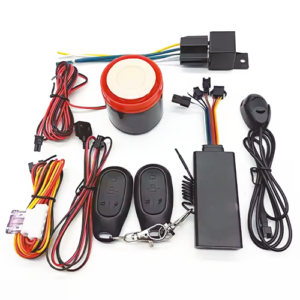
2G Mini Anti Theft Car Alarm GPS Tracker with Remote Lock – The Inventory Master
Product successfully added to the Quote List
-

4G GPS Tracker for Vehicles with 120 Days Standby – The Inventory Master
Product successfully added to the Quote List
-

4G GPS Tracker with Long Battery Life – The Inventory Master
Product successfully added to the Quote List
-
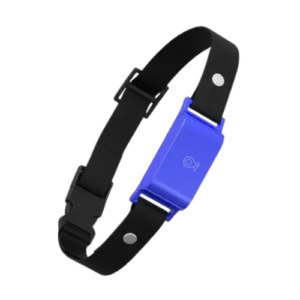
4G GPS Tracker with Magnetic USB Charging – The Inventory Master
Product successfully added to the Quote List
-

4G GPS Tracker with Multi Mode Connectivity for Logistics – The Inventory Master
Product successfully added to the Quote List
-
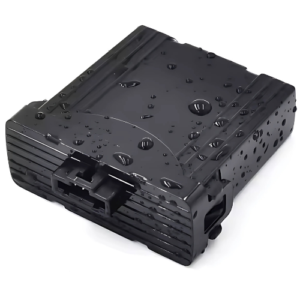
4G GPS Tracker with Real Time Tracking for Automotive – The Inventory Master
Product successfully added to the Quote List
-
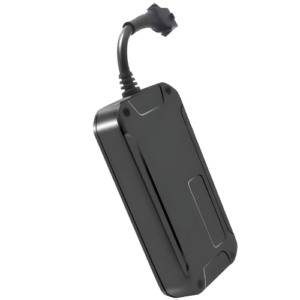
4G GPS Tracker with Real Time Tracking for Vehicles – The Inventory Master
Product successfully added to the Quote List
-
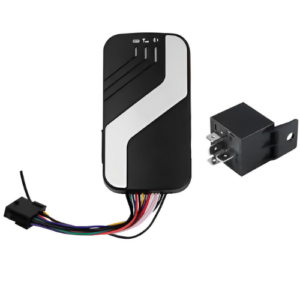
4G GPS Tracker with Route History – The Inventory Master
Product successfully added to the Quote List
-
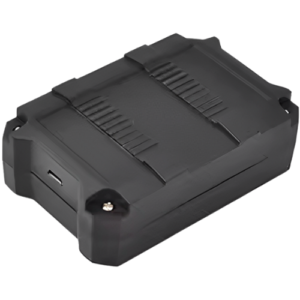
4G GPS Tracker with Strong Magnet – The Inventory Master
Product successfully added to the Quote List
-

4G Kids Smart Watch with GPS Tracking and Waterproof Design – The Inventory Master
Product successfully added to the Quote List
-
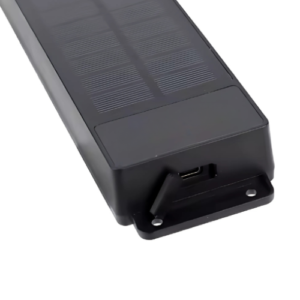
4G LTE Cat M1 NB IoT GPS Tracker with Solar Power – The Inventory Master
Product successfully added to the Quote List
-

4G LTE GPS Tracking Device with Bluetooth Remote – The Inventory Master
Product successfully added to the Quote List
-
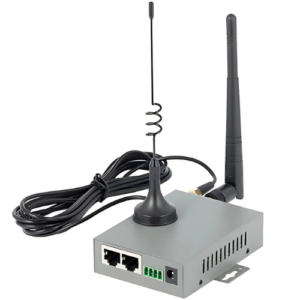
4G LTE IoT Router with RS485 – The Inventory Master
Product successfully added to the Quote List
-

4G Magnetic Car GPS Tracker with Long Standby Battery – The Inventory Master
Product successfully added to the Quote List
-

4G Personal GPS Tracker with Emergency Two-Way Calling – The Inventory Master
Product successfully added to the Quote List
-

4G Real Time Tracking GPS Device with Geo Fence Alarm – The Inventory Master
Product successfully added to the Quote List
-

4G Waterproof GPS Dog Collar with Remote Training & Geo-Fence – The Inventory Master
Product successfully added to the Quote List