
RFID
Radio-Frequency Identification (RFID) refers to a wireless identification and data capture technology that uses electromagnetic fields to automatically detect, identify, and track tagged assets. An RFID system typically includes RFID tags, RFID readers, antennas, and middleware that connects captured data with enterprise systems such as ERP, WMS, and asset management platforms.
Industrial environments increasingly rely on RFID-based identification systems to maintain continuous visibility across warehouses, manufacturing facilities, logistics hubs, and distribution centers. RFID tags store unique identifiers that are transmitted to readers without requiring line-of-sight scanning. This capability enables automated tracking of pallets, containers, tools, spare parts, and finished goods moving through operational workflows.
Radio frequency identification technologies support high-volume scanning, multi-tag detection, and real-time status updates, which are critical for large-scale inventory operations. RFID systems are widely adopted for automated stock verification, material flow monitoring, equipment tracking, and supply chain validation where manual barcode scanning becomes inefficient.
Organizations implementing wireless asset tracking infrastructures use RFID technology to reduce human intervention, improve inventory accuracy, and strengthen traceability across complex industrial supply networks.
The Inventory Master delivers Radio-Frequency Identification (RFID) technologies engineered for automated identification, material tracking, and industrial asset monitoring within connected inventory ecosystems.
RFID technology consists of several core components that work together to enable wireless data acquisition.
RFID Tags
RFID tags store digitally encoded identification information. These tags are attached to inventory items, pallets, containers, or equipment. Tag types used in enterprise inventory monitoring include:
- Passive RFID tags powered by electromagnetic signals transmitted by readers
- Active RFID tags containing internal batteries for extended transmission range
- Semi-passive RFID tags supporting enhanced sensor integration
- Ruggedized industrial tags designed for extreme temperature, chemical exposure, or vibration environments
Tags operate across frequency ranges such as:
- Low Frequency (LF) 125–134 kHz
- High Frequency (HF) 13.56 MHz
- Ultra High Frequency (UHF) 860–960 MHz
Ultra-High Frequency RFID is most commonly used in logistics and warehouse automation because it supports long read ranges and high-speed multi-tag detection.
RFID Readers
RFID readers transmit radio signals to activate nearby tags and capture identification data. Industrial reader configurations include:
- Fixed RFID readers installed on warehouse portals, conveyor lines, or dock doors
- Handheld RFID readers used by technicians for mobile asset verification
- Integrated RFID readers embedded in automated storage systems
- Vehicle-mounted RFID readers for forklift and yard equipment tracking
Readers communicate captured tag data to local controllers or cloud infrastructure for further processing.
RFID Antennas
RFID antennas determine signal coverage and reading zones within operational environments. Antenna configurations influence tag detection range, orientation sensitivity, and signal reliability.
Examples include:
- Circular polarization antennas for unpredictable tag orientation
- Linear polarization antennas for controlled reading zones
- Near-field antennas for short-range item identification
- Directional antennas for portal-based scanning systems
RFID Middleware and Integration Layers
RFID data must be filtered, interpreted, and integrated with enterprise platforms. Middleware layers handle event processing, duplicate filtering, and business logic before transmitting data to operational software.
Typical integration targets include:
- Warehouse Management Systems (WMS)
- Enterprise Resource Planning (ERP) platforms
- Asset lifecycle management systems
- Industrial analytics platforms
- Supply chain visibility tools
This integration allows RFID-based identification to function as a core sensor layer for digital inventory infrastructures.
Enterprise RFID deployments require flexible architecture, configurable read zones, and robust data management. The Inventory Master engineers RFID infrastructure capable of operating in large-scale industrial environments with dense inventory volumes and complex workflows.
Automated Inventory Identification
RFID readers capture identification data automatically when tagged assets enter defined radio frequency zones. Manual scanning steps become unnecessary for many warehouse operations.
Examples of automated identification events include:
- Pallets passing through dock door portals
- Containers entering conveyor scanning zones
- Tools removed from controlled storage cabinets
- Forklifts transporting tagged material between zones
Bulk Tag Detection and Multi-Item Scanning
RFID technology supports simultaneous reading of hundreds of tags within seconds. This capability is particularly important for large distribution centers where manual item-by-item scanning would introduce operational delays.
RFID readers apply anti-collision algorithms that allow multiple tags to respond to interrogation signals without data loss.
Real-Time Inventory Status Monitoring
Continuous RFID scanning enables live inventory status updates across storage areas, production lines, and transportation points. Operational teams gain near real-time insights into material availability and asset location.
Use cases include:
- Monitoring stock levels within warehouse aisles
- Tracking material staging near production lines
- Identifying misplaced inventory inside storage zones
RFID Zone-Based Location Tracking
Strategically positioned readers create defined radio coverage zones that detect tagged items entering or leaving specific operational areas. This capability enables location-based tracking without requiring GPS signals.
Examples include:
- Dock door entry detection
- Inventory movement between storage zones
- Restricted equipment removal alerts
Environmental Sensor Integration
Some RFID tags support integrated sensors capable of collecting environmental data such as temperature, humidity, and shock events. These sensor-enabled tags transmit condition data along with identification information.
Applications include:
- Cold chain monitoring for pharmaceutical storage
- Environmental compliance tracking for food products
- Impact detection during equipment transportation
System Configuration and Deployment Options
The Inventory Master provides flexible configuration options for RFID system deployment across enterprise facilities.
Deployment architectures include:
- Portal-based scanning infrastructure
- Conveyor-mounted RFID scanning systems
- Shelf-level RFID readers for smart storage cabinets
- Handheld reader-based verification workflows
- Hybrid deployments combining multiple reader types
System integrators configure antenna placement, power levels, read intervals, and filtering rules to match operational requirements.
Industrial organizations deploy RFID systems across diverse operational environments to maintain accurate asset visibility and improve material handling efficiency.
- Automated pallet tracking across warehouse receiving, storage, and shipping zones to maintain accurate inventory records and eliminate manual scanning errors.
- Manufacturing work-in-progress monitoring using RFID tags attached to assemblies to track production stages and material movement.
- Tool crib management systems that automatically detect tool issuance and return events within industrial maintenance departments.
- Distribution center dock door monitoring where RFID portals identify inbound and outbound shipments during loading and unloading processes.
- High-value asset tracking within data centers and technical facilities to maintain chain-of-custody visibility for sensitive equipment.
- Cold chain product monitoring using RFID sensor tags to ensure temperature compliance during pharmaceutical or food logistics operations.
- Spare parts inventory verification inside maintenance warehouses where RFID readers perform rapid cycle counts across shelves and bins.
- Returnable transport item tracking for reusable containers, pallets, and crates circulating across supply chain partners.
- Vehicle yard management where RFID tags identify trailers and containers entering and exiting logistics facilities.
- Automated inventory reconciliation during warehouse cycle counts using handheld RFID readers to scan hundreds of items simultaneously.
- Federal Communications Commission (FCC) Part 15
- Innovation, Science and Economic Development Canada (ISED) Radio Standards Specifications
- EPCglobal Gen2 RFID Standard
- ISO/IEC 18000 RFID Air Interface Standards
- ISO/IEC 14443 Contactless Smart Card Standard
- ISO/IEC 15693 Vicinity Card Standard
- RoHS Compliance
- CE Certification
- UL Certification
- ICES-003 Canada Interference Standard
Engineering Advantages of The Inventory Master RFID Solutions
Organizations deploying RFID technology require reliability across large inventory volumes, complex facility layouts, and demanding industrial conditions. The Inventory Master designs RFID infrastructure with engineering considerations focused on durability, scalability, and integration flexibility.
High-Speed Inventory Scanning Performance
RFID readers deployed by The Inventory Master support rapid multi-tag interrogation, allowing facilities to scan hundreds of items in seconds. This capability dramatically improves cycle counting efficiency in high-density storage environments.
Non-Line-of-Sight Identification
RFID technology identifies tagged items even when they are hidden inside containers, stacked on pallets, or stored behind packaging materials. This advantage allows automated scanning processes that would not be possible with optical barcode systems.
Scalable Infrastructure for Multi-Site Operations
Large enterprises often operate multiple warehouses, factories, and logistics hubs. RFID platforms implemented by The Inventory Master support centralized monitoring across geographically distributed facilities.
System architecture can integrate with cloud platforms or on-premise infrastructure depending on regulatory or operational requirements.
Reduced Human Intervention
Manual scanning tasks consume operational time and introduce error potential. RFID-based inventory identification reduces manual input requirements and improves operational consistency.
Facilities implementing RFID often observe measurable improvements in:
- Inventory accuracy
- Material flow efficiency
- Shipment verification speed
- Asset traceability
Rugged Hardware for Industrial Environments
RFID tags and readers used in enterprise deployments must withstand harsh conditions. The Inventory Master sources and deploys hardware designed for environments such as:
- High-temperature manufacturing facilities
- Chemical processing plants
- Outdoor logistics yards
- Cold storage warehouses
Ruggedized components ensure long-term system reliability.
Integration with Enterprise Operational Systems
RFID data becomes most valuable when integrated with operational software platforms. The Inventory Master engineers RFID deployments capable of integrating with ERP, WMS, MES, and industrial analytics platforms.
This integration enables automated decision-making workflows such as:
- Inventory replenishment triggers
- Shipment validation alerts
- Asset utilization analysis
- Maintenance scheduling based on equipment location
Extensive experience across industrial deployments has allowed us to develop a strong understanding of how wireless asset identification systems must operate in real production environments.
The Inventory Master has rapidly become a trusted provider of industrial inventory connectivity technologies across North America. Our team supports system integrators, IT departments, and engineering teams through product guidance, architecture planning, and deployment support backed by continuous research and strict quality assurance processes.
Organizations planning to deploy Radio-Frequency Identification (RFID) for automated inventory monitoring often require guidance on reader architecture, tag selection, signal coverage design, and integration with existing operational systems.
Engineering specialists at The Inventory Master assist technical teams in selecting the appropriate RFID hardware, configuring deployment architecture, and ensuring compliance with operational and regulatory requirements.
Businesses interested in implementing RFID-based inventory visibility systems can reach out through our Contact Us page to request technical consultation, product specifications, deployment support, or procurement information.
Showing all 11 results
-

13.56MHz Android UHF RFID Reader with 5.5″ Touch Screen – The Inventory Master
Product successfully added to the Quote List
-

134.2 kHz HDX Working Mode Semiconductor RFID Reader – The Inventory Master
Product successfully added to the Quote List
-
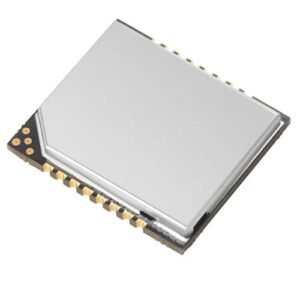
Compact Micro UHF RFID Module High Sensitivity, Low Power, UART – The Inventory Master
Product successfully added to the Quote List
-

High-Performance UHF RFID Reader with Frequency – The Inventory Master
Product successfully added to the Quote List
-
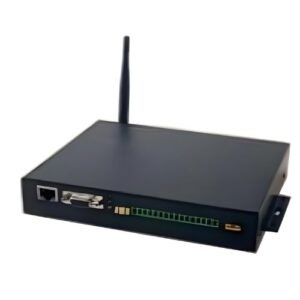
Linux 4-Port UHF RFID Reader – The Inventory Master
Product successfully added to the Quote List
-

Long Range IP68 Rated Industrial Metal-Mount RFID Tag – The Inventory Master
Product successfully added to the Quote List
-
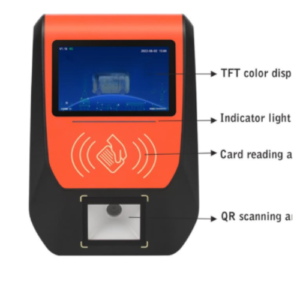
Smart RFID & QR Bus Fare Validator with 4G GPS Connectivity – The Inventory Master
Product successfully added to the Quote List
-

UHF Gen 2 Pistol Grip Portable Reader with Octa-core 2.3 GHz Processor – The Inventory Master
Product successfully added to the Quote List
-

UHF RFID IP67 Integrated Reader/Writer with a Built-in Antenna – The Inventory Master
Product successfully added to the Quote List
-
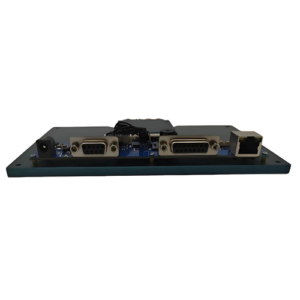
UHF RFID Module Evaluation Board with Multi-Tag Reading Capability – The Inventory Master
Product successfully added to the Quote List
-

Waterproof BLE 5.0 Beacon with 150m Range and NFC Support – The Inventory Master
Product successfully added to the Quote List