
IOT Products
Physical device infrastructure forms the operational foundation for connected inventory visibility across industrial facilities, warehouses, manufacturing lines, and logistics networks. Hardware products enable the capture, transmission, and local processing of asset location, environmental data, stock movement, and equipment utilization of metrics. These systems typically include wireless modules, sensing devices, embedded processors, and industrial communication interfaces designed for long-term deployment in demanding environments.
Industrial inventory monitoring platforms rely on these hardware systems to convert physical events into structured digital signals. Sensors detect stock presence, movement, or environmental changes. Wireless modules transmit data to gateways or enterprise networks. Edge processors filter and contextualize the information before integration with enterprise resource planning and operational analytics platforms.
Engineers and operations teams depend on reliable field hardware to maintain data continuity, accuracy, and operational safety. Hardware products designed for industrial inventory monitoring must support rugged environmental conditions, stable connectivity, scalable deployment, and predictable power consumption to maintain operational efficiency across complex supply chains.
Organizations across North America rely on proven hardware infrastructure to support connected asset visibility initiatives. This capability allows enterprises to improve stock traceability, automate inventory audits, and enable real-time operational intelligence.
Hardware products used in connected inventory tracking environments support multiple operational and technical functions that enable accurate stock intelligence across distributed industrial environments.
Inventory Detection and Status Monitoring
- Sensors detect item presence, stock movement, bin occupancy, and material handling activity.
- Devices support RFID, barcode interfaces, optical detection, and weight-based inventory sensing.
Wireless Data Transmission
- Embedded communication modules transmit sensor data through Wi Fi, Bluetooth Low Energy, LPWAN, cellular, or industrial wireless networks.
- Multi-protocol connectivity ensures compatibility with existing industrial infrastructure.
Edge Data Processing
- Embedded processors perform filtering, event detection, and protocol translation before transmitting information to enterprise systems.
Asset Location Tracking
- Hardware modules enable location identification through RFID readers, UWB anchors, BLE beacons, or GNSS modules depending on deployment requirements.
Environmental Condition Monitoring
- Devices monitor temperature, humidity, vibration, and air quality conditions affecting stored materials and equipment.
Power and Energy Optimization
- Devices support battery powered operation, energy harvesting, or industrial power integration for long duration deployments.
System Integration Interfaces
- Industrial communication interfaces support integration with warehouse management systems, manufacturing execution systems, and enterprise platforms.
Air quality instruments used in inventory monitoring environments must provide reliable measurements that help protect stored materials, electronic components, pharmaceuticals, and other sensitive goods.
Sensor Measurement Capabilities
- Detection range for particulate matter, VOCs, CO2, ozone, and industrial gases
- Measurement resolution and response time
- Sensor calibration stability and drift characteristics
Environmental Operating Range
- Temperature tolerance for industrial facilities
- Humidity tolerance for warehouses and cold storage environments
- Resistance to dust, vibration, and electromagnetic interference
Communication Interfaces
- Support for industrial protocols such as Modbus, MQTT, and OPC UA
- Wireless connectivity options for distributed sensing networks
Calibration and Maintenance Requirements
- Sensor replacement intervals
- Automatic calibration capabilities
- Field calibration support
Power Consumption Characteristics
- Battery life expectations for remote deployments
- Power supply compatibility with industrial systems
Data Integration Capabilities
- Compatibility with enterprise monitoring platforms
- Data logging capacity and transmission frequency options
Inventory Wireless Connectivity Systems
Wireless communication hardware forms the backbone of connected inventory infrastructure. These modules enable real time transmission of stock movement events, environmental readings, and equipment telemetry across warehouse zones, manufacturing facilities, and distribution centers.
Industrial wireless systems commonly integrate Wi Fi, Bluetooth Low Energy, LoRaWAN, cellular LTE, or private industrial radio networks depending on facility coverage requirements and data throughput demands. Engineers typically evaluate signal penetration, interference resilience, network latency, and device density before selecting a wireless architecture.
Connectivity of hardware deployed in inventory monitoring environments must support secure device authentication, encrypted communications, and network management capabilities. Industrial facilities frequently operate high density sensor networks, requiring wireless infrastructure that can handle large device volumes while maintaining stable communication performance across complex building layouts.
Click here for Inventory Wireless Connectivity
Inventory Edge Computing Hardware
Edge computing devices allow inventory monitoring systems to process operational data near the physical environment where events occur. Embedded processors analyze sensor signals, filter irrelevant events, and convert raw data into structured inventory information before transmission to enterprise systems.
Edge hardware supports rule-based event detection, local data buffering, and protocol translation between field devices and enterprise software. This architecture reduces network bandwidth usage and ensures operational continuity during temporary network interruptions.
Industrial edge devices often integrate ruggedized processors, industrial input output interfaces, secure firmware management, and local storage capabilities. Manufacturing environments benefit significantly from edge computing because it enables rapid response to material movement events while maintaining deterministic system behavior required for automated logistics and production systems.
Click here for Inventory Edge Computing
Inventory Sensors and Devices
Sensor devices represent the primary data acquisition layer for inventory monitoring environments. These devices detect physical changes associated with inventory flow, asset location, and environmental conditions within industrial facilities.
Common sensor technologies include RFID readers, optical barcode scanners, weight sensors, proximity sensors, environmental probes, and vibration monitors. Each sensing technology captures different aspects of operational activity within warehouses, manufacturing plants, and distribution hubs.
Industrial sensor devices must maintain measurement accuracy across varying environmental conditions such as temperature fluctuations, dust exposure, electromagnetic interference, and mechanical vibration. Engineers also evaluate mounting configurations, calibration procedures, and device lifecycle management when selecting sensors for large scale inventory monitoring deployments.
Hardware devices supporting connected inventory visibility enable operational intelligence across multiple industrial sectors.
- Automated warehouse bin monitoring that tracks stock presence and movement across storage racks and shelving systems
- Manufacturing material tracking that monitors raw material flow between production workstations and staging areas
- Pharmaceutical storage monitoring that records environmental conditions affecting temperature sensitive medical supplies
- Cold chain logistics tracking that measures storage conditions during transportation and warehouse handling
- Industrial tool crib management that records equipment checkout and return activity within manufacturing plants
- Automotive parts inventory monitoring that tracks component availability across assembly line staging areas
- Aerospace supply chain tracking that maintains traceability of serialized components during production and storage
- Construction material inventory monitoring across distributed equipment yards and storage depots
- Retail distribution center stock verification that supports automated cycle counting processes
- Food production ingredient tracking that ensures material availability and environmental compliance during processing
- FCC Part 15 Wireless Communication Compliance
- UL Certification for Industrial Electrical Equipment
- CSA Certification for Electrical Devices
- NIST Traceability Standards for Measurement Devices
- OSHA Workplace Environmental Monitoring Requirements
- EPA Indoor Air Quality Monitoring Guidelines
- ANSI Industrial Sensor and Measurement Standards
- ISO 9001 Quality Management Systems
- ISO 14001 Environmental Management Systems
- ICES Canada Radio Interference Standards
| Hardware Type | Primary Function | Connectivity Options | Deployment Environment | Power Requirements | Data Handling |
| Wireless Communication Modules | Transmit sensor and device data | WiFi, BLE, LoRaWAN, Cellular | Warehouses, factories, logistics facilities | Low power battery or industrial supply | Packet transmission and network routing |
| Edge Processing Devices | Local data processing and protocol translation | Ethernet, WiFi, industrial networks | Industrial control cabinets and facility networks | Industrial power supply | Event filtering and local analytics |
| Inventory Sensors | Detect stock movement and environmental conditions | Wired or wireless interfaces | Storage racks, bins, containers | Battery or wired power | Raw sensor data generation |
| RFID Reader Systems | Identify tagged inventory items | Ethernet, WiFi, serial interfaces | Dock doors, storage zones, conveyor systems | Industrial power supply | Tag identification and event logging |
| Environmental Monitoring Devices | Measure temperature, humidity, gases, particulates | Wireless or wired communication | Warehouses, cold storage, production environments | Battery or wired | Environmental telemetry |
Operational Implementation Considerations
Industrial inventory monitoring systems operate across a wide range of environmental and operational conditions. Hardware devices must maintain stable performance under mechanical stress, electrical interference, and fluctuating environmental parameters.
Deployment planning typically begins with a facility level site assessment that evaluates wireless coverage requirements, power availability, and physical mounting constraints. Warehouses with high shelving density may require distributed wireless gateways to maintain signal coverage across storage aisles and loading areas.
Mobility requirements influence device selection in dynamic environments such as manufacturing floors or logistics yards. Mobile scanning systems, wearable devices, and vehicle mounted readers may operate alongside fixed infrastructure devices.
Power requirements also vary depending on installation locations. Remote sensing nodes frequently rely on long life batteries or energy harvesting systems, while infrastructure hardware such as gateways and edge processors typically connect to industrial power systems.
Data handling strategies must consider both operational latency requirements and network capacity. Some deployments transmit raw sensor data to centralized analytics platforms. Others rely on edge processing to reduce data volume and improve response times for operational alerts.
Engineering teams also evaluate firmware management, cybersecurity protections, device lifecycle planning, and integration with enterprise software systems when implementing large scale inventory monitoring infrastructure.
Hardware infrastructure designed for industrial inventory monitoring environments provides several operational advantages.
- Continuous monitoring of stock movement without manual inspection or physical inventory audits
- Improved traceability of materials across manufacturing and distribution workflows
- Reduced operational errors through automated data capture from physical inventory events
- Scalable architecture that supports thousands of distributed sensor devices across facilities
- Integration with enterprise operational platforms for supply chain analytics and reporting
- Improved compliance monitoring through environmental sensing capabilities
- Reduced operational downtime through predictive maintenance insights from equipment sensors
The Inventory Master has quickly established itself as a trusted leader in delivering connected inventory intelligence solutions across North America. Engineering teams rely on our hardware platforms because they are developed through continuous product research, rigorous validation processes, and extensive field deployment experience. Our commitment to reliability and expert technical guidance helps enterprises modernize operational visibility while maintaining stable and scalable infrastructure.
- What types of sensors are typically used for industrial inventory monitoring?
Industrial deployments commonly use RFID readers, weight sensors, optical scanners, environmental probes, and proximity sensors depending on the type of materials being monitored.
- How do hardware devices integrate with enterprise inventory systems?
Devices typically transmit structured data through gateways using industrial protocols such as MQTT, REST APIs, Modbus, or OPC UA for integration with enterprise software.
- What wireless technologies are commonly used for inventory device connectivity?
Wi-Fi, Bluetooth Low Energy, LoRaWAN, and cellular networks are commonly used depending on facility size, power constraints, and communication distance.
- How long do battery powered inventory monitoring devices typically operate?
Battery lifetime depends on transmission frequency, sensor activity, and wireless technology. Many devices are designed for multi-year operation in low power modes.
- What environmental conditions must industrial hardware devices tolerate?
Devices may operate across wide temperature ranges, high humidity environments, dust exposure, vibration, and electromagnetic interference depending on deployment.
- Can edge computing reduce network bandwidth requirements?
Yes. Edge processors filter raw sensor data and transmit only meaningful inventory events, which significantly reduces network traffic.
- What cybersecurity protections are typically implemented in industrial hardware?
Device authentication, encrypted communication channels, secure firmware updates, and network segmentation are commonly implemented security controls.
Organizations planning connected inventory visibility deployments often require technical guidance when selecting hardware infrastructure. Engineering considerations such as sensor placement, wireless network design, power management, and enterprise integration require careful planning.
Technical specialists at The Inventory Master help organizations evaluate hardware requirements, select appropriate devices, and design reliable monitoring architectures tailored to operational environments. Businesses seeking product information, deployment consultation, or system integration support can easily contact our team to discuss project requirements and explore available hardware solutions.
Showing 73–90 of 6669 results
-
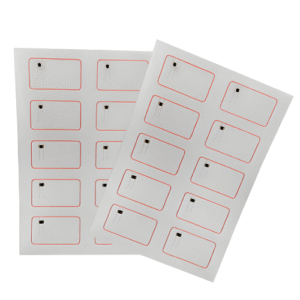
13.56 MHz RFID Reader with RS 485, TTL, MIFARE Support – The Inventory Master
Product successfully added to the Quote List
-

13.56 MHz RFID Reader with UART Interface, MFRC Chips – The Inventory Master
Product successfully added to the Quote List
-
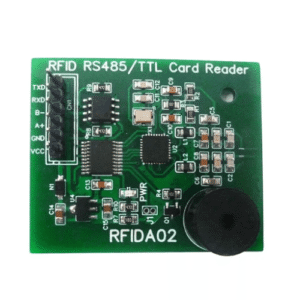
13.56 MHz RFID Reader Writer with RS-485/RS-232 TTL – The Inventory Master
Product successfully added to the Quote List
-
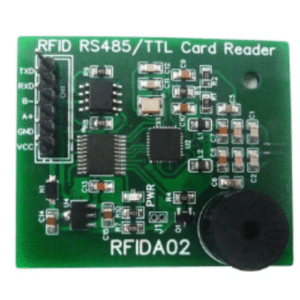
13.56 MHz RFID Reader Writer with RS-485/RS-232 UART – The Inventory Master
Product successfully added to the Quote List
-
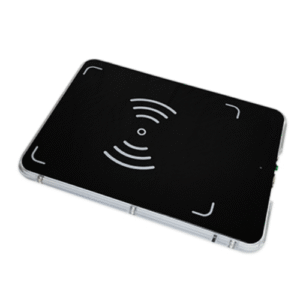
13.56 MHz RFID Shielded Pad Anti-Metal Chips Reader Writer – The Inventory Master
Product successfully added to the Quote List
-
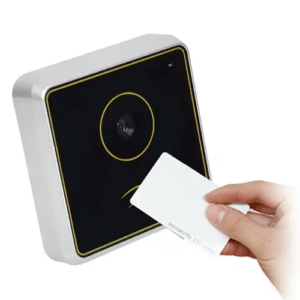
13.56 MHz RFID Silicone Wristband for Employee Access – The Inventory Master
Product successfully added to the Quote List
-
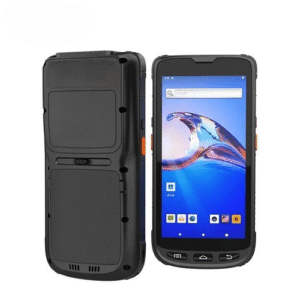
13.56 MHz RFID Smart Fridge Magnet Sticker, Waterproof – The Inventory Master
Product successfully added to the Quote List
-
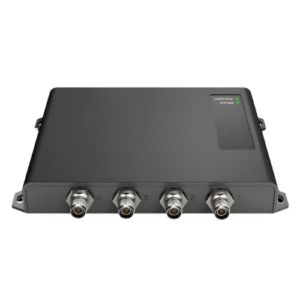
13.56 MHz RFID Smart USB Keyboard Reader, ISO18000-9C, 20cm – The Inventory Master
Product successfully added to the Quote List
-
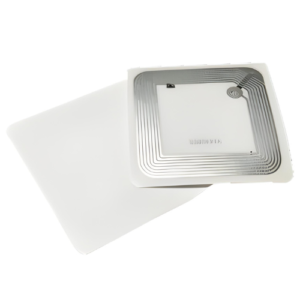
13.56 MHz RFID Wristband for Resorts & Hotels, Custom Wood – The Inventory Master
Product successfully added to the Quote List
-
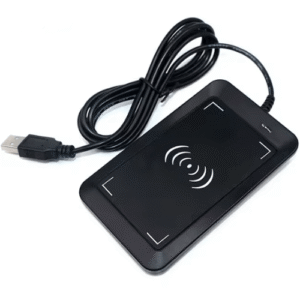
13.56 MHz Short Range Contactless Desktop Card Reader – The Inventory Master
Product successfully added to the Quote List
-
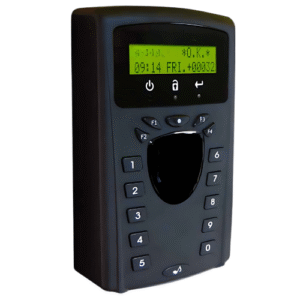
13.56 MHz TCP RFID Access Control Reader, ISO 18092, Wiegand – The Inventory Master
Product successfully added to the Quote List
-
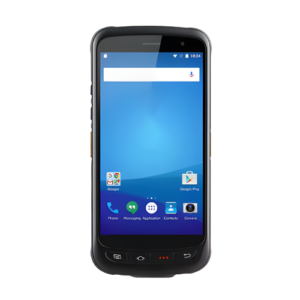
13.56 MHz UHF RFID Pistol Grip Reader, Android 9.0, 5-10m Range – The Inventory Master
Product successfully added to the Quote List
-
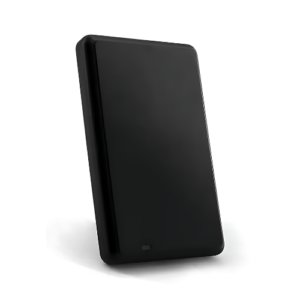
13.56 MHz UHF RFID Reader, Android 6.0, GPS, 5.2″ FHD Display – The Inventory Master
Product successfully added to the Quote List
-
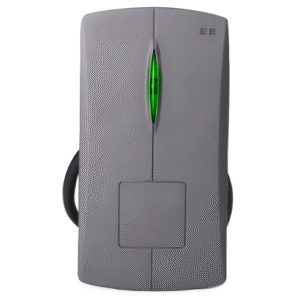
13.56 MHz UHF RFID Tag, EPC Gen 2, 128-bit/512-bit, Custom Colors – The Inventory Master
Product successfully added to the Quote List
-
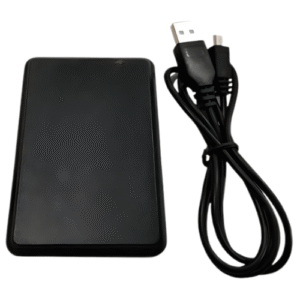
13.56 MHz USB Desktop RFID Reader, ISO 14443A, 100mm Range – The Inventory Master
Product successfully added to the Quote List
-
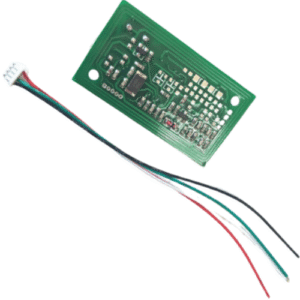
13.56 MHz USB Keyboard Emulation RFID Reader with Buzzer – The Inventory Master
Product successfully added to the Quote List
-
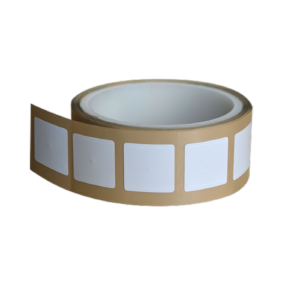
13.56 MHz USB NFC Card Reader for Vending Machines – The Inventory Master
Product successfully added to the Quote List
-
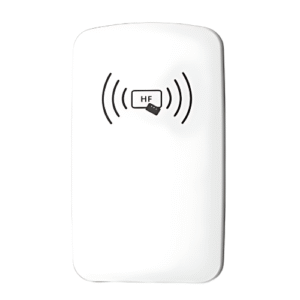
13.56 MHz USB RFID Tag Reader, ISO/IEC, Short Range – The Inventory Master
Product successfully added to the Quote List