
Inventory Edge Computing
Inventory Edge Computing enables localized processing of operational data directly at the network edge, close to sensors, asset tags, and tracking infrastructure used within industrial inventory environments. Instead of transmitting every data point to centralized servers or cloud platforms, edge processing devices filter, analyze, and aggregate inventory information at warehouses, distribution hubs, production floors, and logistics yards.
Local data processing supports faster response times for asset movement detection, stock validation, pallet tracking, and automated replenishment triggers. Systems designed for inventory visibility infrastructure often integrate RFID readers, barcode scanners, BLE tags, industrial sensors, and machine interfaces with edge processing hardware that can execute logic in real time.
Organizations deploying distributed inventory monitoring systems benefit from reduced bandwidth consumption, improved system resilience during network interruptions, and the ability to run operational analytics locally. Edge computing hardware also supports protocol translation between field devices and enterprise systems such as warehouse management platforms, enterprise resource planning tools, and asset management systems.
Inventory Edge Computing platforms are widely deployed in manufacturing facilities, large distribution centers, retail supply chains, and logistics networks where asset tracking, material flow visibility, and stock verification must occur continuously and reliably.
Inventory edge processing devices enable real-time data processing and operational intelligence within industrial asset tracking environments. These systems integrate with sensor networks, identification technologies, and warehouse control platforms to support distributed inventory monitoring.
Key functions include:
- Local processing of RFID, barcode, BLE, and sensor-generated inventory data before forwarding summarized insights to enterprise systems
- Device protocol conversion supporting industrial interfaces such as Modbus, OPC UA, MQTT, and REST-based APIs
- Real-time event detection for pallet movement, asset relocation, stock level changes, and container tracking
- Local rule execution for automated replenishment alerts and warehouse workflow triggers
- Aggregation and filtering of large volumes of sensor data to reduce cloud bandwidth consumption
- Edge analytics for inventory flow monitoring, asset dwell-time measurement, and location-based stock validation
- Secure communication between warehouse edge devices and enterprise data infrastructure
- Temporary data buffering during network interruptions to maintain operational continuity
- Integration with warehouse management systems and enterprise inventory platforms
- Industrial data acquisition from conveyor systems, storage equipment, and automated material handling systems
These capabilities allow organizations to operate distributed inventory visibility infrastructure that performs reliably across large facilities and multi-site logistics networks.
Technical evaluation of edge computing hardware for industrial inventory monitoring environments requires careful consideration of computing capacity, connectivity, and deployment conditions. Selection criteria vary depending on warehouse automation levels, device density, and data throughput requirements.
Important specifications include:
- Processing Architecture
CPU type, number of cores, and hardware acceleration capabilities that support local analytics and rule execution. - Memory and Storage Capacity
RAM and onboard storage required to process real-time inventory streams and maintain temporary data buffers. - Industrial Connectivity Interfaces
Support for Ethernet, Wi-Fi, cellular, RS-485, USB, and industrial fieldbus protocols. - Edge Device Integration
Compatibility with RFID readers, barcode scanners, environmental sensors, machine controllers, and automated material handling equipment. - Operating System and Edge Runtime Support
Support for Linux-based edge platforms, containerized applications, and industrial edge orchestration environments. - Security Features
Hardware-based encryption, secure boot capabilities, device authentication, and encrypted communication channels. - Environmental Operating Conditions
Temperature tolerance, vibration resistance, dust protection ratings, and ruggedized enclosure design. - Power Input Flexibility
Support for industrial DC power inputs, power over Ethernet, or redundant power configurations. - Remote Management Capabilities
Device monitoring, firmware updates, and remote configuration management for large-scale deployments.
These parameters determine whether edge computing hardware can operate reliably within large distribution networks and high-volume inventory processing environments.
Edge Computing Gateways
Edge Computing Gateways serve as centralized processing nodes that collect and analyze inventory data from multiple field devices deployed throughout warehouses, factories, and logistics facilities. These gateways interface with RFID portals, barcode scanning stations, BLE beacons, industrial sensors, and machine controllers to consolidate operational information.
Industrial gateways often support multi-protocol communication and perform data filtering, aggregation, and event processing before forwarding insights to enterprise inventory platforms. Local rule execution allows gateways to trigger alerts when inventory thresholds are reached, detect asset movement anomalies, or monitor storage utilization levels. Ruggedized gateway hardware is typically designed to operate continuously in warehouse environments where temperature variation, dust exposure, and vibration are common. Integration with warehouse management systems enables synchronized inventory tracking across distributed facilities and supply chain operations.
Industrial environments use edge computing platforms to process operational inventory data locally and maintain real-time asset visibility across facilities.
Common applications include:
- Real-time pallet and container tracking across warehouse zones using RFID and BLE data processed by localized computing nodes
- Monitoring stock movement within automated storage and retrieval systems integrated with conveyor control infrastructure
- Tracking raw materials and work-in-progress components within manufacturing production lines and staging areas
- Managing inventory verification checkpoints within cross-docking facilities handling high throughput logistics operations
- Monitoring asset movement across large distribution yards using sensor networks and vehicle detection systems
- Automated replenishment triggers based on edge analytics evaluating stock depletion rates at storage locations
- Validation of shipping and receiving operations through integrated scanning and local inventory reconciliation
- Monitoring tool inventories and consumable parts within maintenance and operations departments
- Inventory traceability for regulated manufacturing sectors requiring batch tracking and documentation
- Real-time asset utilization analysis for shared equipment and transport containers within industrial facilities
Industrial deployments of inventory edge computing infrastructure may require compliance with relevant regulatory and certification frameworks.
Industrial deployments of inventory edge computing infrastructure may require compliance with relevant regulatory and certification frameworks.
Applicable standards include:
- FCC Part 15
- UL Certification
- NIST Cybersecurity Framework
- ISO 27001
- ANSI C12 Communication Standards
- CSA Certification
- ICES-003 Canada
- NERC CIP Cybersecurity Standards
- IEEE Industrial Communication Standards
- OSHA Workplace Equipment Safety Guidelines
- FCC Part 15
- UL Certification
- NIST Cybersecurity Framework
- ISO 27001
- ANSI C12 Communication Standards
- CSA Certification
- ICES-003 Canada
- NERC CIP Cybersecurity Standards
- IEEE Industrial Communication Standards
- OSHA Workplace Equipment Safety Guidelines
| Capability Category | Edge Computing Gateways | RFID Infrastructure | Sensor-Based Inventory Monitoring | Cloud-Centric Inventory Platforms |
| Data Processing Location | Local processing at facility edge | Device-level data capture | Sensor-generated data streams | Centralized cloud processing |
| Network Bandwidth Usage | Reduced through local filtering | Moderate depending on reader density | Moderate to high | High due to continuous data transfer |
| Real-Time Event Processing | High capability for local rule execution | Limited to tag detection events | Event-based monitoring | Dependent on network latency |
| System Integration | Supports multiple industrial protocols | Integrates with middleware | Sensor network integration | Integrates through APIs |
| Resilience During Network Disruptions | Local buffering maintains operations | Limited functionality | Limited functionality | Requires active connectivity |
| Deployment Environments | Warehouses, factories, distribution centers | Inventory checkpoints | Storage monitoring locations | Enterprise IT infrastructure |
Deployment of inventory edge computing hardware within industrial environments requires evaluation of operational constraints, infrastructure compatibility, and long-term maintenance considerations.
Industrial facilities often contain large numbers of identification devices and sensors generating continuous data streams. Edge computing nodes must be positioned strategically to capture this information while maintaining reliable connectivity with both field devices and enterprise systems.
Operating conditions vary significantly across facilities. Warehouses may experience temperature fluctuations, dust exposure, and mechanical vibration from material handling equipment. Ruggedized hardware designs are commonly required to maintain reliable performance under these conditions.
Power availability also influences deployment decisions. Edge nodes may operate using standard industrial DC power, power over Ethernet connections, or redundant power configurations for mission-critical environments.
Mobility requirements depend on operational workflows. Fixed edge computing nodes are often installed near RFID portals, conveyor junctions, and storage zones. Mobile deployments may involve rugged edge devices mounted on forklifts or autonomous mobile robots.
Data handling strategies also vary by organization. Some systems process only operational events locally and transmit summaries to enterprise platforms, while others maintain local databases for extended analysis. Organizations must evaluate latency requirements, security policies, and network infrastructure when designing edge-enabled inventory monitoring architectures.
The Inventory Master works closely with system integrators, warehouse automation teams, and enterprise IT departments to support hardware deployments that align with operational goals and infrastructure constraints.
Strong adoption across North American industrial sectors reflects our focus on research, product reliability, and strict quality assurance processes that ensure dependable performance in large-scale inventory monitoring environments.
Edge computing architecture provides several operational advantages when applied to industrial inventory visibility systems.
Key advantages include:
- Reduced network bandwidth requirements through localized data filtering and event processing
- Lower latency for operational decisions such as asset movement detection and stock threshold alerts
- Improved system resilience during temporary network outages through local data buffering
- Scalable infrastructure supporting thousands of connected sensors and identification devices
- Enhanced data security by limiting transmission of raw operational data across networks
- Local execution of automation rules for warehouse workflows and inventory validation processes
- Integration flexibility with existing warehouse management and enterprise resource planning systems
- Improved operational visibility across distributed facilities and logistics networks
Organizations managing large-scale industrial inventory systems benefit from edge-enabled architectures that combine distributed intelligence with centralized data analysis.
- What role does edge computing play in industrial inventory monitoring?
Edge computing processes operational inventory data close to sensors and tracking infrastructure. Local processing reduces network load and supports faster operational responses.
- How does edge computing improve warehouse inventory visibility?
Localized data analysis enables real-time detection of asset movement, stock level changes, and operational events without relying entirely on cloud infrastructure.
- What devices typically connect to inventory edge computing platforms?
Common connected devices include RFID readers, barcode scanners, BLE beacons, industrial sensors, automated storage systems, and machine control interfaces.
- Can edge computing platforms operate during network disruptions?
Most industrial edge platforms include local storage buffers that temporarily store operational data until connectivity to enterprise systems is restored.
- How does edge computing integrate with warehouse management systems?
Edge devices typically communicate with enterprise systems through APIs, MQTT brokers, or industrial middleware platforms that synchronize inventory events.
- What industries benefit most from inventory edge computing deployments?
Manufacturing, logistics, retail distribution, automotive supply chains, aerospace manufacturing, and pharmaceutical production environments frequently deploy these systems.
- What security measures are required for industrial edge computing infrastructure?
Hardware encryption, device authentication, secure firmware updates, and encrypted communication channels are commonly implemented to protect operational data.
Organizations planning distributed inventory monitoring infrastructure often require specialized hardware guidance and system integration expertise. The Inventory Master has established a strong reputation across North America for delivering reliable industrial inventory monitoring technologies supported by ongoing research, strict quality assurance practices, and experienced technical teams.
Engineers, procurement teams, and system integrators seeking guidance on selecting appropriate edge processing hardware can connect with our specialists to discuss deployment requirements, compatibility considerations, and operational objectives. For product details, technical consultation, or deployment support, reach out through our Contact Us page and our team will assist with identifying the most suitable solutions for your industrial inventory monitoring environment.
Showing 19–36 of 539 results
-
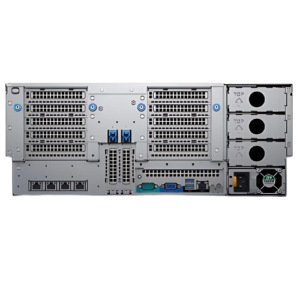
4U Server with 128GB RAM, Intel Xeon CPU & Hybrid Storage – The Inventory Master
Product successfully added to the Quote List
-

4U Server With Excellent Computing Capacity – The Inventory Master
Product successfully added to the Quote List
-

8 Inch Windows 10 Rugged Tablet with Barcode and NFC – The Inventory Master
Product successfully added to the Quote List
-
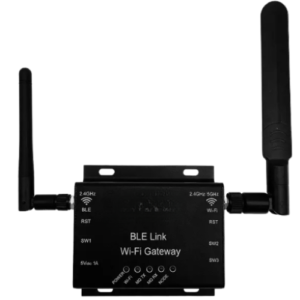
Accept Edge Series Wireless Wifi Ble Ibeacon Gateway – The Inventory Master
Product successfully added to the Quote List
-

Advanced 10.1 in Android 15 Dual SIM 1 TB Tablet – The Inventory Master
Product successfully added to the Quote List
-

Advanced AI Edge Computing AGX Box with 32GB eMMC, Optional M.2 SSD, Dual and 4G – The Inventory Master
Product successfully added to the Quote List
-
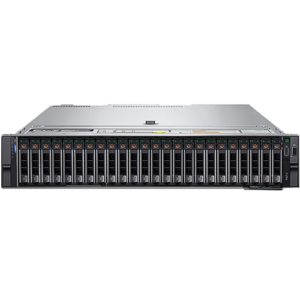
Advanced Data Center Solutions with EMC PowerEdge R750Xs – The Inventory Master
Product successfully added to the Quote List
-
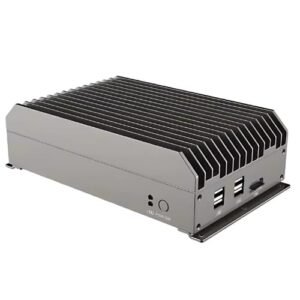
AI Edge Computing with 64 GB Memory and Camel ARM CPU – The Inventory Master
Product successfully added to the Quote List
-
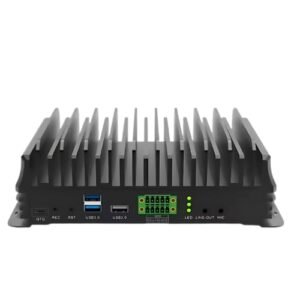
AI Edge Computing Box with 16GB Memory and LAN – The Inventory Master
Product successfully added to the Quote List
-
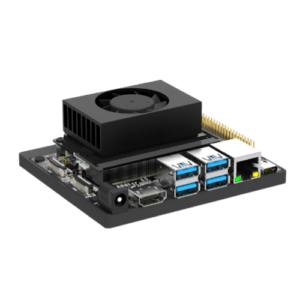
AI Edge Computing Core Board Development Kit – The Inventory Master
Product successfully added to the Quote List
-
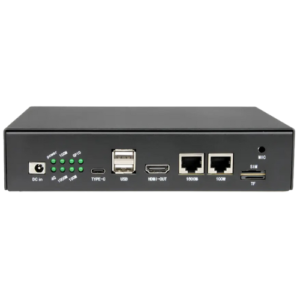
AI Edge Computing Gateway Video Behaviours Analysis – The Inventory Master
Product successfully added to the Quote List
-

AI Edge Computing Module with NVIDIA Jetson Orin and 16GB – The Inventory Master
Product successfully added to the Quote List
-
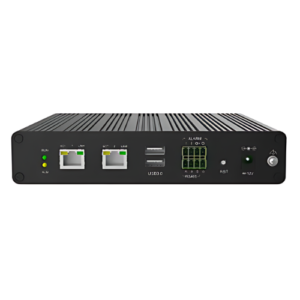
AI Edge Device with 32 Channels, Face Libraries & Security – The Inventory Master
Product successfully added to the Quote List
-
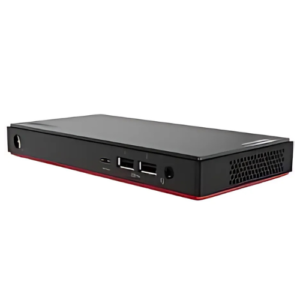
AI Edge Kunpeng 920 32GB RAM 1TB Storage Rack Server – The Inventory Master
Product successfully added to the Quote List
-

AI Edge Station with Advanced Video Encoding or Decoding – The Inventory Master
Product successfully added to the Quote List
-
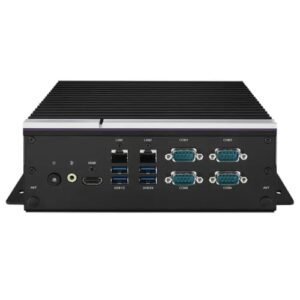
AI Embedded Computer with Arm Cortex CPU – The Inventory Master
Product successfully added to the Quote List
-
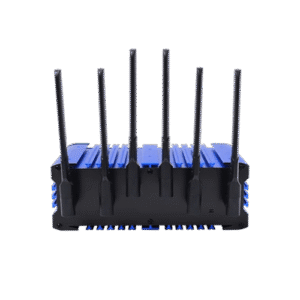
AI Intelligent Computing Empowerment Platform with 32CH Video Decoding – The Inventory Master
Product successfully added to the Quote List
-
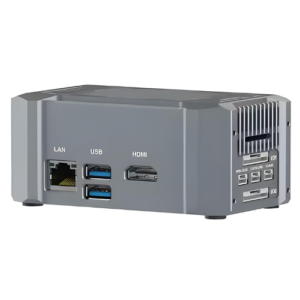
AI Module with 20 TOPS 4GB LPDDR5 USB 3.0 Gigabit Ethernet – The Inventory Master
Product successfully added to the Quote List