Technical Architecture
The Cellular IoT Enabled Agriculture and Livestock Management System integrates cellular IoT devices, gateways, cloud platforms, and local servers. The architecture includes:
- IoT Sensors and Actuators: Devices monitor soil moisture, temperature, livestock health, and environmental factors.
- Edge Gateways: Process sensor data locally and ensure connectivity via cellular networks.
- Cellular Connectivity: Transmits real-time data from sensors to cloud platforms.
- Cloud Integration: Stores, analyzes, and visualizes data for actionable insights.
- Local Server Option: Ensures data processing and storage in areas with limited connectivity.
- Mobile and Web Interfaces: Enable farmers to access system data for decision-making.
For IoT system architecture guidelines, refer to IEEE IoT Standards.
List of Hardware
- Soil Moisture Sensors: Monitor soil conditions for irrigation management.
- Temperature and Humidity Sensors: Measure environmental factors affecting crops and livestock.
- Wearable Livestock Trackers: Monitor health, location, and activity of animals.
- Automated Feeders: Adjust livestock feed based on predefined schedules and metrics.
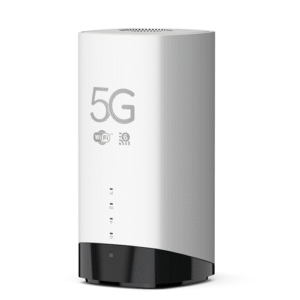
- IoT Gateways: Facilitate connectivity between sensors and cloud servers.
- Drones with IoT Sensors: Assess crop health and detect anomalies.
- Weather Stations: Provide localized weather data for farming decisions.
- Water Flow Meters: Monitor irrigation systems and water usage.
- Solar-Powered Systems: Ensure power for remote operations.
For agricultural IoT hardware standards, visit ISO 11783.
Physical Placement Considerations
- Sensors: Place soil and environmental sensors at varying depths and zones to cover all crop areas.
- Livestock Trackers: Attach wearable trackers to animals securely and ensure they are weather-resistant.
- Gateways: Position at elevated points for optimal cellular signal strength.
- Weather Stations: Install in open fields, avoiding obstructions.
- Drones: Deploy for periodic aerial scans; ensure storage in secure, accessible locations.
For sensor placement strategies, consult USDA Agricultural Research.
Hardware Architecture
The hardware architecture consists of:
- Data Collection Layer: Sensors collect environmental and livestock data.
- Data Transmission Layer: Gateways transmit data via cellular networks to local or cloud servers.
- Processing Layer: Local servers or cloud platforms analyze the data.
- Application Layer: Provides interfaces for decision-making and system control.
The Inventory Master ensures high-quality components optimized for durability and performance.
Deployment Considerations
- Network Coverage: Assess cellular network availability in remote areas.
- Scalability: Design systems to accommodate future expansion.
- Energy Efficiency: Use solar-powered or low-energy devices for remote deployments.
- Data Security: Implement encryption and secure communication protocols.
- Regulatory Compliance: Ensure adherence to local agricultural and IoT regulations.
For deployment best practices, refer to FAO Agriculture Guidelines.
List of Relevant Industry Standards and Regulations
- ISO 11783 (Tractor and Machinery Communication)
- IEEE 1451 (Smart Transducer Interface)
- GSMA IoT Security Guidelines
- ISO/IEC 30141 (IoT Reference Architecture)
- USDA Precision Agriculture Standards
- FCC Part 15 (Wireless Communication Compliance)
Local Server Version
For regions with limited or unreliable internet connectivity, The Inventory Master offers a local server version of the system. This version processes data onsite, storing it locally for real-time analysis and decision-making. The local server integrates seamlessly with IoT devices, enabling offline functionality and secure data storage. Periodic data sync with cloud platforms ensures system continuity.
Cloud Integration and Data Management
The Inventory Master’s cloud-based solution integrates real-time data from sensors, offering predictive analytics and detailed reports. Cloud integration supports:
- Data Storage and Retrieval: Scalable storage for historical and real-time data.
- Advanced Analytics: AI-driven insights for better decision-making.
- Remote Access: Secure access to dashboards and system controls.
- Data Sharing: Collaborative features for farmers and agricultural advisors.
For cloud security and standards, refer to NIST Cloud Computing Guidelines.
The Inventory Master’s expert team ensures seamless implementation and support for these advanced solutions, catering to modern agriculture’s evolving needs.
GAO Case Studies of Cellular IoT Enabled Agriculture and Livestock Management System
Case Studies in the USA
- Sacramento, California
A vineyard deployed IoT-enabled soil sensors and climate monitors to optimize irrigation and grape production. This initiative utilized advanced data analytics, integrating cellular connectivity for real-time insights. Explore IoT in Agriculture by IEEE for detailed technologies in similar cases. - Austin, Texas
Livestock in a local ranch were monitored using IoT-based wearables, enabling better tracking of health metrics and resource optimization. Cellular networks ensured seamless communication. Refer to USDA’s IoT in Agriculture Research for supporting insights. - Des Moines, Iowa
IoT-driven drones supported corn farmers in detecting pest infestations, enhancing crop health and productivity. Such technologies leverage edge analytics and cloud integration. Learn more at Agriculture IoT by MIT Technology Review. - Fargo, North Dakota
Wearable IoT devices helped ranchers track livestock health and movement over vast expanses. Cellular IoT solutions provided reliable connectivity in remote areas. Check the IoT Use Cases in Farming for similar applications. - Orlando, Florida
IoT soil sensors at an orange grove monitored moisture levels, minimizing water usage while sustaining high crop yields. Details can be found at IoT Solutions in Citrus Farming. - Boise, Idaho
Dairy farms implemented barn sensors to maintain optimal living conditions for livestock, resulting in increased milk yield. Read about Smart Farming Technologies. - Phoenix, Arizona
Solar-powered IoT solutions enabled energy-efficient irrigation in arid farming zones, conserving water and improving productivity. See examples at Solar IoT in Agriculture. - Minneapolis, Minnesota
IoT-equipped drones supported soybean farms in monitoring growth patterns, providing precise data for pest control strategies. Visit IoT Drones for Agriculture. - Albany, New York
Organic farms used IoT to track soil nutrients, ensuring compliance with stringent organic standards. Details are available at Sustainable Farming IoT. - Seattle, Washington
IoT weather stations helped berry farms monitor rainfall and adapt harvesting schedules efficiently. Learn more at IoT in Weather Analytics. - Omaha, Nebraska
Cattle trackers monitored health and grazing patterns, reducing the need for manual interventions. Insights on livestock IoT are detailed at IoT Livestock Monitoring. - Baton Rouge, Louisiana
Flood detection sensors safeguarded farms from water damage, sending real-time alerts via cellular networks. See Flood Management IoT. - Richmond, Virginia
IoT-automated feeding systems increased operational efficiency in poultry farms. Refer to IoT Feeding Innovations. - Denver, Colorado
Vertical farms utilized IoT for environmental control, optimizing humidity and light for high-value crops. Visit IoT in Urban Farming. - Atlanta, Georgia
IoT water flow systems in pecan orchards improved irrigation efficiency, promoting sustainability. Learn more at Smart Irrigation IoT.
Case Studies in Canada
- Toronto, Ontario
IoT systems enabled urban farms to monitor microclimates, ensuring consistent crop production. Cellular IoT ensured reliable data transmission. Explore IoT in Urban Farming Canada. - Calgary, Alberta
Large ranches used IoT livestock wearables for remote health monitoring. Robust cellular IoT devices facilitated connectivity under harsh weather conditions. See Smart Ranching IoT.
The Inventory Master Inc., leveraging its expertise in Cellular IoT solutions, offers tailored implementations across North America, empowering the agriculture sector with cutting-edge technology while adhering to global standards.
Navigation Menu for Cellular IoT
- Cellular IoT Accessories
- Cellular IoT Devices
- Cellular IoT – Cloud, Server, PC & Mobile Systems
- Cellular IoT Resources
Navigation Menu for IoT
Our products are in stock and can be shipped anywhere in the continental U.S. or Canada from our local warehouse. For any further information, please fill out this form or email us.
We are actively looking for partners who are like us located in the U.S. and Canada. For more information on partnering with GAO, please visit Partner with The Inventory Master Inc. It lists various ways to partner with GAO, such as OEM Partnerships, Technology Integration, Distribution and Reselling Opportunities, Presenting at the Leading Event Tek Summit, Joint R&D Projects, Training and Consulting Services, Industry-Specific Collaborations, Research and Academic Partnerships.