Technical Architecture of Cellular IoT Enabled Industrial Automation and Robotics System
The Inventory Master’s Cellular IoT Enabled Industrial Automation and Robotics System integrates cutting-edge IoT technologies with cellular communication to streamline industrial processes and enhance robotics efficiency. The architecture includes:
- IoT Sensors and Actuators: Explore IoT sensors for utilities applications and industrial processes.
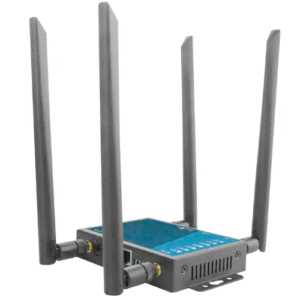
- Cellular Gateways: Support high-speed communication via 3G, 4G, and 5G for IoT devices.
- Edge Computing Nodes: Enable low-latency, real-time data processing.
- Industrial Robots: Advanced robotics systems integrated with AI and cellular IoT.
- Cloud Servers: Enable centralized analytics, data storage, and monitoring, supporting IoT platform integrations.
- User Interfaces: Provide accessible dashboards for real-time control and monitoring.
Hardware Components of Cellular IoT Enabled Industrial Automation and Robotics System
The Inventory Master provides a comprehensive range of hardware for this system:
- IoT Sensors: High-precision devices for monitoring industrial environments.
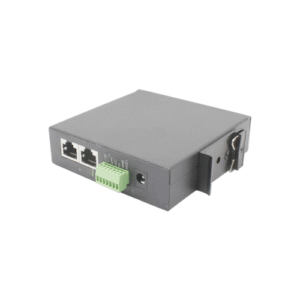
- Cellular Communication Gateways: Integrated solutions for reliable IoT device connectivity.
- Industrial Robots: Cutting-edge robotics for material handling and assembly.
- Edge Computing Devices: Efficient data processing at the source.
- Rugged Enclosures: Secure environmental monitoring solutions.
- Power Management Units: Essential for uninterrupted industrial operations.
- Local Servers: Provide on-premises processing and real-time GPS-based monitoring.
- Environmental Monitors: Ensure compliance with safety standards using threat detection solutions.
Physical Placement Considerations for the Hardware
The Inventory Master emphasizes strategic placement of hardware to maximize efficiency and safety:
- IoT Sensors: Position sensors in critical industrial zones.
- Cellular Gateways: Optimize signal coverage by installing in central, unobstructed locations.
- Industrial Robots: Space allocation for precise robotics operation.
- Edge Devices: Minimize latency by placing near high-data zones.
- Power Units and Local Servers: Deploy protected systems for sensitive environments.
Hardware Architecture of Cellular IoT Enabled Industrial Automation and Robotics System
The Inventory Master’s system uses a modular, robust architecture, featuring:
- Distributed Sensor Networks: Scalable monitoring across industrial sites.
- Hierarchical Control: Localized processing at the edge, with seamless cloud integration.
- Multi-Layer Security: Secures data across the communication stack.
- Interconnected Systems: Enable seamless integration with existing infrastructure.
Deployment Considerations of Cellular IoT Enabled Industrial Automation and Robotics System
The Inventory Master ensures a seamless deployment process with the following considerations:
- Compliance: Meets industry and environmental standards.
- Scalability: Easily integrates into existing industrial setups.
- Training and Support: Comprehensive assistance, including remote or onsite support.
- Redundancy: Features fail-safe systems for uninterrupted operations.
List of Relevant Industry Standards and Regulations
- ISO 9001
- IEC 62443
- ANSI/RIA R15.06
- IEEE 802.15.4
- OSHA Standards
Local Server Version
The local server version of The Inventory Master’s system offers on-site processing and storage. Key features include:
- Real-Time Data Processing: Optimize IoT monitoring with zero latency.
- Enhanced Security: Data stays within the facility, minimizing external threats.
- Offline Capabilities: Ensures uninterrupted operations during outages.
Cloud Integration and Data Management
Our system integrates seamlessly with leading IoT platforms:
- Centralized Monitoring: Consolidates data across multiple sites.
- AI-Powered Analytics: Enables predictive maintenance and improved efficiency.
- Global Accessibility: Empowers remote management of systems.
- Data Redundancy: Provides cloud-based data backup solutions.
The Inventory Master’s Cellular IoT Enabled Industrial Automation and Robotics System offers unparalleled efficiency and adaptability for modern industrial operations. Explore more about our solutions at The Inventory Master Inc..
GAO Case Studies of Cellular IoT Enabled Industrial Automation and Robotics
- New York City, New York
In New York City, a manufacturing plant implemented cellular IoT technology for automating its production line. The system connected robotic arms to IoT-enabled sensors, enabling real-time monitoring and performance optimization. This integration helped improve operational efficiency, reduce downtime, and ensure precise production with reduced human intervention, enhancing overall productivity.
- Los Angeles, California
A large industrial facility in Los Angeles adopted cellular IoT-enabled robotics to automate its packaging operations. Robotic systems were connected to a centralized IoT platform, enabling remote monitoring and control. This automation reduced human error, sped up production, and improved consistency, helping the company meet growing demands while maintaining high operational standards.
- Chicago, Illinois
Chicago’s manufacturing industry adopted cellular IoT solut