Technical Architecture of Cellular IoT Enabled Industrial IoT (IIoT) System
The Cellular IoT Enabled Industrial IoT (IIoT) System is a robust and scalable solution designed to optimize industrial operations through seamless integration of connected devices, sensors, and cloud infrastructure. It includes several key components:
- Edge Devices: These devices, typically sensors and actuators, gather data from various industrial machines and environments, such as temperature, pressure, vibration, and energy consumption.
- Communication Layer: A cellular network infrastructure facilitates real-time data transmission from edge devices to central processing units. This layer ensures continuous communication, even in remote or challenging environments.
- Data Processing Layer: This layer includes edge computing systems or local servers that process and analyze incoming data to make immediate decisions, reducing latency and offloading tasks from the cloud.
- Cloud Integration: The system’s cloud-based backend stores, processes, and visualizes data for advanced analytics, predictive maintenance, and decision-making. Cloud services also support remote monitoring and firmware updates.
- Application Layer: User interfaces and applications enable operators to monitor and manage industrial equipment, providing dashboards, alerts, and predictive maintenance features.
Hardware of Cellular IoT Enabled Industrial IoT (IIoT) System
The Cellular IoT Enabled Industrial IoT (IIoT) System consists of a wide range of hardware components, including:
- IoT Sensors: Collects real-time data such as temperature, humidity, pressure, flow, vibration, and energy usage.
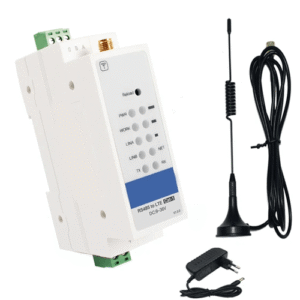
- IoT Gateways: Interface between IoT sensors and the network, converting data into a standardized protocol for communication.
- Cellular Modules: Provide reliable cellular connectivity to transmit data to the cloud or local servers.
- Edge Computing Devices: Perform local data analysis to minimize latency and reduce dependency on the cloud.
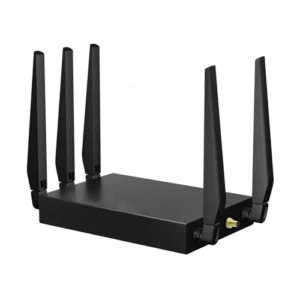
- Industrial Routers and Modems: Facilitate secure and continuous data transmission over cellular or Wi-Fi networks.
- Actuators: Devices that respond to commands, controlling industrial processes based on data insights.
- Power Management Units: Ensure uninterrupted power supply, especially in remote locations where reliable electricity sources are scarce.
- Cloud Infrastructure: High-performance servers and storage systems used for data processing, storage, and visualization.
Physical Placement Considerations of the Hardware
When deploying the Cellular IoT Enabled Industrial IoT (IIoT) System, the placement of hardware components is crucial to ensuring optimal performance and data integrity. Considerations include:
- Sensor Placement: Sensors should be strategically installed on machinery or equipment to gather accurate and representative data. Ensure the sensors are in environments where they can withstand physical conditions like high temperatures, moisture, or vibrations.
- Gateway Locations: Gateways should be placed in areas with strong cellular reception to ensure reliable data transmission. They should also be positioned to reduce data loss or signal interference.
- Edge Devices: These should be placed close to the industrial machinery to reduce latency and ensure real-time data processing. Placement should also consider accessibility for maintenance.
- Power Supply: Ensure that all devices, especially those in remote or outdoor locations, are connected to a stable power source or are equipped with backup batteries.
Hardware Architecture of Cellular IoT Enabled Industrial IoT (IIoT) System
The hardware architecture of the Cellular IoT Enabled Industrial IoT (IIoT) System is designed to support scalability, reliability, and seamless communication. It typically involves the following:
- Sensor Layer: Includes various IoT sensors and devices that continuously collect data.
- Connectivity Layer: Composed of IoT gateways, routers, and cellular modules that ensure uninterrupted data transmission from sensors to cloud or edge computing systems.
- Edge Computing Layer: Local servers or processing units that analyze the data collected at the edge before sending it to the cloud. These units help in decision-making and reducing cloud processing costs.
- Cloud Layer: High-powered servers in the cloud that manage large-scale data storage, processing, and analytics. The cloud architecture supports advanced analytics, machine learning, and reporting features.
- Application Layer: This final layer includes the user interface and applications that allow system operators to monitor, control, and respond to the data provided by the system.
Deployment Considerations of Cellular IoT Enabled Industrial IoT (IIoT) System
When deploying the Cellular IoT Enabled Industrial IoT (IIoT) System, The Inventory Master Inc. advises several key considerations:
- Site Assessment: Perform thorough site assessments to understand environmental factors like signal strength, power availability, and physical space for hardware installation.
- Scalability: Plan the system’s expansion by ensuring that it supports the future addition of sensors, devices, or additional features without disrupting current operations.
- Integration with Legacy Systems: Seamlessly integrate the IIoT system with existing industrial equipment and infrastructure, ensuring compatibility and minimizing disruptions to ongoing operations.
- Security: Implement robust security measures, including encryption, secure data transmission, and access control protocols to protect sensitive data.
- Testing and Calibration: Test all devices and sensors prior to full deployment, ensuring they meet performance and accuracy standards.
List of Relevant Industry Standards and Regulations
- IEEE 802.15.4
- ISO/IEC 27001 (Information Security Management)
- IEC 61508 (Functional Safety)
- ISO 50001 (Energy Management Systems)
- ISO 9001 (Quality Management Systems)
- EN 61000 (Electromagnetic Compatibility)
- FCC Part 15 (Radio Frequency Devices)
- CE Marking for European Market Compliance
- UL Certification (Safety Standards)
- ATEX (Explosive Atmospheres for Hazardous Environments)
Local Server Version: Running with a Local Server
For businesses requiring enhanced control over data, The Inventory Master Inc. offers a local server version of the Cellular IoT Enabled Industrial IoT (IIoT) System. This version enables real-time data processing, storage, and analytics locally within the organization’s network infrastructure. This setup is ideal for environments with limited or no internet connectivity, ensuring that critical data is always accessible and operational even without cloud connectivity.
Cloud Integration and Data Management
The Cloud Integration of the Cellular IoT Enabled Industrial IoT (IIoT) System enables businesses to access and manage data from anywhere, facilitating centralized monitoring, reporting, and analysis. The system seamlessly integrates with cloud platforms, providing real-time data analytics, predictive maintenance, and performance optimization.
Data is securely transmitted from edge devices to cloud servers, where it is stored in a highly scalable and redundant infrastructure. Cloud-based dashboards provide users with real-time insights into system performance, enabling proactive decision-making. Additionally, the cloud integration supports software updates, ensuring that all devices are running the latest firmware and security patches. This cloud-based model ensures businesses can scale their IIoT systems quickly and cost-effectively while maintaining high levels of security and performance.
GAO Case Studies of Cellular IoT Enabled Industrial IoT (IIoT) System
- New York, New York
In New York, a large manufacturing facility integrated a Cellular IoT Enabled IIoT System to monitor machine performance and predict maintenance needs. The system helped reduce downtime by detecting potential issues before they became critical, leading to increased productivity and cost savings.
- Chicago, Illinois
A logistics company in Chicago utilized an IIoT system to optimize their fleet management. By using cellular IoT sensors on vehicles, they gained real-time tracking, improved fuel efficiency, and enhanced driver safety, which resulted in a reduction in operational costs and improved customer satisfaction.
- Los Angeles, California
In Los Angeles, a smart building implemented a Cellular IoT Enabled IIoT System to monitor HVAC systems and energy consumption. The system enabled remote monitoring and optimization of energy use, reducing energy bills and ensuring a comfortable environment fo