Technical Architecture
The Cellular IoT Enabled Wearables IoT System by The Inventory Master is designed to provide seamless connectivity, real-time data collection, and analytics through advanced IoT-enabled wearables. The architecture integrates various hardware components, cellular communication, and cloud services to deliver an efficient and secure health and fitness solution.
- Data Collection Layer: Wearable devices and sensors collect real-time health metrics such as heart rate, steps, temperature, and oxygen levels.
- Communication Layer: The system uses cellular technology (3G, 4G, and 5G) to transmit data securely over the air, ensuring reliable connectivity for remote users.
- Data Processing Layer: Edge devices or local servers process the data locally to provide immediate insights, while advanced analytics are handled in the cloud for scalability.
- Application Layer: Mobile applications and dashboards display real-time data to users and administrators, offering insights and recommendations based on the data received from wearables.
List of Hardware
- Wearable Devices: Lightweight and ergonomic devices that track health metrics such as heart rate, steps, calories burned, and sleep patterns. Explore our Lightweight Cellular IoT Wearable Devices.
- IoT Sensors: Devices that monitor environmental factors like temperature, humidity, and air quality in fitness environments.
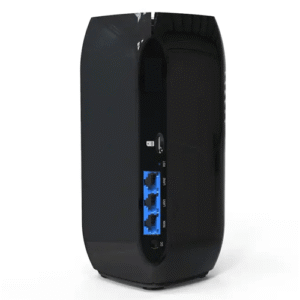
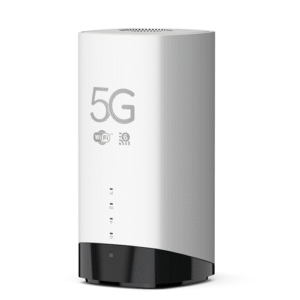
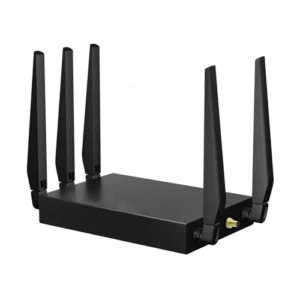
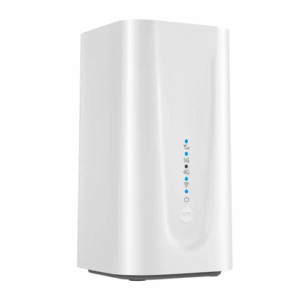
- Cellular Gateways: Provide connectivity between the wearables and the cloud or local server via 3G, 4G, or 5G networks.
- Edge Computing Devices: Process data locally to provide users with immediate health insights, minimizing the need for cloud interaction.
- Local Servers: Store data locally for facilities or organizations that require on-premises processing and storage.
- Cloud Infrastructure: Provides scalability for data storage and analytics, allowing for long-term health tracking and trend analysis.
- Backup Power Systems: Ensures continuous operation of the system even during power failures, especially important for healthcare applications.
Physical Placement Considerations
- Wearables: Positioned directly on the user’s body, ensuring comfort and continuous data collection without hindering daily activities.
- IoT Sensors: Strategically placed within fitness centers, gyms, and healthcare environments to monitor environmental factors such as room temperature, humidity, and CO2 levels.
- Cellular Gateways: Positioned in areas with strong cellular signals to ensure continuous, high-speed data transmission.
- Edge Devices: Located near the wearables and sensors to reduce the distance data needs to travel for immediate processing.
- Local Servers: Located in secure, climate-controlled environments to ensure reliable performance and to comply with data protection standards.
Hardware Architecture
The Cellular IoT Enabled Wearables IoT System’s hardware architecture ensures seamless integration and minimal latency:
- Wearables: Collect biometric data and send it to cellular gateways via Bluetooth or low-power connectivity.
- Gateways: Facilitate data transmission over cellular networks, ensuring reliable communication even in remote areas.
- Edge Devices: Perform real-time data processing to provide users with immediate health insights, minimizing the need for cloud interaction.
- Local Servers: Store and process data on-premises for organizations seeking greater control over their data.
- Cloud Servers: Handle large-scale data storage, advanced analytics, and provide access to historical data for trend analysis.
Deployment Considerations
When deploying the Cellular IoT Enabled Wearables IoT System, several key considerations must be taken into account to ensure successful implementation:
- Network Coverage: Ensure cellular network coverage is available in all areas where the system will be deployed. The Inventory Master offers devices compatible with multiple network standards, including 3G, 4G, and 5G, to ensure optimal coverage.
- Data Security: Implement encryption, secure access protocols, and data anonymization to protect sensitive health data.
- Scalability: The system is designed to scale, allowing the addition of more wearables and sensors as your health or fitness program expands.
- User Support: Our expert team at The Inventory Master can provide ongoing support and training to ensure seamless operation and usage of the system.
- Maintenance: Regular software updates and hardware servicing are required to ensure the longevity and optimal performance of the system.
List of Relevant Industry Standards and Regulations
- ISO 27001
- HIPAA (Health Insurance Portability and Accountability Act)
- FCC Regulations
- CE Marking
- GDPR (General Data Protection Regulation)
- NIST Cybersecurity Framework
- UL Certification
- IEEE IoT Standards
Local Server Version
For organizations that prefer on-premises data control, the Cellular IoT Enabled Wearables IoT System can be deployed with a local server. This version allows for data storage and processing at the facility level, ensuring that sensitive health data is managed locally. The local server handles real-time analytics, data storage, and integration with other enterprise systems, providing low-latency processing and keeping critical health data within the organization’s control.
Cloud Integration and Data Management
The Inventory Master’s Cellular IoT Enabled Wearables IoT System offers seamless cloud integration for advanced data management. The system transmits data from wearables and sensors via cellular networks to cloud servers, where it can be stored, analyzed, and accessed remotely. With scalable cloud storage, you can store vast amounts of historical data for long-term health tracking and predictive analytics. Our secure cloud platforms ensure compliance with global data privacy standards, offering encrypted storage and secure APIs for easy integration with other enterprise applications. Whether you are managing individual user data or enterprise-level health data, The Inventory Master provides the infrastructure to support your needs.
For more on our IoT solutions, visit our Healthcare IoT Devices or explore the Applications of Healthcare IoT Devices in Health and Fitness Monitoring.
GAO Case Studies of Cellular IoT Enabled Public Safety and Emergency Response
- New York City, New York
In New York City, cellular IoT technology was integrated into emergency response systems to improve communication and response times during high-priority incidents. The system provided real-time location data and health monitoring of first responders, ensuring rapid deployment and enhanced safety during large-scale emergencies, such as natural disasters and terrorist threats.
- Los Angeles, California
Los Angeles utilized cellular IoT in their public safety efforts, integrating the technology into vehicle tracking systems for emergency response units. The IoT-enabled solution provided dispatchers with real-time updates on unit locations, reducing response time during critical emergencies like fires, accidents, and medical emergencies, ultimately improving outcomes for victims.
- Chicago, Illinois
Chicago implemented cellular IoT-based devices within its emergency response network to enable seamless communication between field units and control centers. These IoT solutions provided up-to-date information on traffic conditions and hazards, aiding police, paramedics, and fire departments in responding efficiently to incidents, such as traffic accidents and fires.
- Houston, Texas
Houston deployed cellular IoT systems to monitor and control emergency response vehicles. The system provided real-time telemetry, such as vehicle health, speed, and location, which helped prioritize and optimize resource allocation during major emergencies like hurricanes and industrial accidents, ensuring first responders could quickly navigate to the scene.
- Miami, Florida
In Miami, cellular IoT was leveraged to enhance disaster management and emergency response strategies. The technology provided environmental monitoring to track weather conditions, enabling the city’s response teams to prepare for hurricanes and floods, deploy resources effectively, and ensure the safety of residents during extreme weather events.
- Phoenix, Arizona
Phoenix used cellular IoT devices in its fire department to monitor the status of critical equipment in real-time. The technology helped improve safety by providing alerts about equipment malfunctions or failures, ensuring that first responders always had operational gear when responding to fires and medical emergencies in urban and rural areas.
- Dallas, Texas
In Dallas, cellular IoT technology was used in a public safety initiative aimed at streamlining communication between police and emergency medical services (EMS). This integration allowed rapid information sharing, such as patient vitals and crime scene data, enabling better coordination between emergency responders and quicker decision-making.
- San Francisco, California
San Francisco implemented a cellular IoT network to support