Technical Architecture
The Cellular IoT Enabled Smart Health and Fitness System integrates advanced IoT devices, cellular connectivity, cloud services, and edge computing to deliver comprehensive health and fitness monitoring. Learn more about IoT systems for health and fitness.
- Data Collection Layer: IoT sensors and wearables collect real-time biometric and environmental data.
- Communication Layer: Cellular networks (3G, 4G, and 5G) transmit data securely to cloud or local servers.
- Data Processing Layer: Edge devices process data locally for immediate insights while syncing with the cloud for advanced analytics.
- Application Layer: Mobile apps and dashboards provide users and administrators with real-time health insights and recommendations.
List of Hardware
- Wearable health trackers (heart rate, oxygen levels, activity monitoring).
- IoT-enabled gym equipment with biometric integration.
- Environmental sensors (temperature, humidity, and air quality).
- Edge computing devices for local data processing.
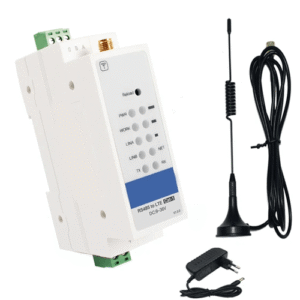
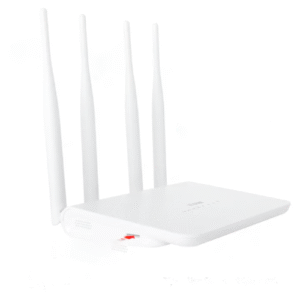
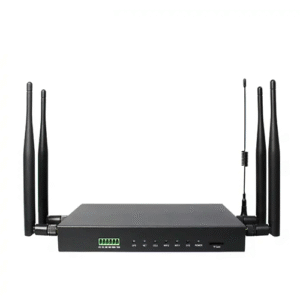
- Cellular gateways supporting LTE/5G connectivity.
- Local server for on-premises data processing and storage.
- Backup power supplies for continuous operation.
- Cloud integration hardware (APIs, routers, and secure access points).
Physical Placement Considerations
- Wearable Devices: Ergonomically designed for continuous use without discomfort.
- IoT Sensors: Strategically placed in fitness facilities and homes for optimal data capture.
- Edge Devices: Located centrally within facilities to minimize latency and ensure robust connectivity.
- Local Server: Housed in a secure, climate-controlled environment to ensure performance and data integrity.
- Gateways: Positioned to maximize cellular signal strength and coverage.
Hardware Architecture
The system’s hardware architecture is designed for scalability and reliability:
- IoT Devices: Collect data and connect via Bluetooth or Wi-Fi to gateways.
- Gateways: Relay data through cellular networks to edge devices or cloud servers.
- Edge Devices: Perform immediate data processing for time-sensitive applications.
- Local Server: Stores and processes data for facilities or organizations prioritizing on-premises control.
- Cloud Integration: Ensures data redundancy, advanced analytics, and remote access.
Deployment Considerations
- Network Coverage: Ensuring robust cellular connectivity for seamless data transmission.
- Data Security: Implementing encryption and secure authentication for all devices and servers.
- Scalability: Designing hardware to support the addition of new devices or users.
- User Training: Providing resources to familiarize users with device functionality and data interpretation.
- Maintenance: Planning regular updates and servicing for uninterrupted performance.
List of Relevant Industry Standards and Regulations
- ISO 27001
- HIPAA (Health Insurance Portability and Accountability Act)
- FCC Regulations
- CE Marking
- GDPR (General Data Protection Regulation)
- NIST Cybersecurity Framework
- UL Certification
- IEEE IoT Standards
Local Server Version
A local server version of the Cellular IoT Enabled Smart Health and Fitness System prioritizes data control and minimal latency. Learn how The Inventory Master supports secure local server deployment. The local server processes real-time data from wearables and IoT devices, ensuring immediate feedback and insights. It includes robust data storage, backup systems, and network redundancy to support critical operations for fitness centers, clinics, or enterprise applications.
Cloud Integration and Data Management
Cloud integration enables the system to leverage advanced analytics, machine learning, and remote monitoring. The Cellular IoT Enabled Smart Health and Fitness System uses secure APIs and cloud platforms to sync real-time data from local servers or edge devices. Learn more about IoT cloud platforms. Cloud-based dashboards allow administrators and users to monitor health trends, manage fitness goals, and receive insights from anywhere. The Inventory Master ensures compliance with global data privacy regulations and provides expert support for seamless cloud deployment.
GAO Case Studies of Cellular IoT Enabled Smart Health and Fitness System
- New York City, USA
In New York City, a healthcare facility integrated a cellular IoT-based system to monitor patient vital signs remotely. The system collects real-time data on heart rate, temperature, and oxygen levels, sending alerts to healthcare professionals if a patient’s condition worsens. This technology has enhanced patient monitoring capabilities, enabling better outcomes through timely interventions. Learn more about healthcare IoT devices.
- Los Angeles, USA
A fitness center in Los Angeles adopted a smart fitness tracking system utilizing cellular IoT. Members wear fitness trackers that sync with the gym’s system, tracking their workouts, sleep patterns, and nutrition. The collected data is analyzed to provide personalized fitness recommendations, improving member satisfaction and overall fitness performance. Explore IoT applications in fitness.
- Chicago, USA
In Chicago, a leading hospital implemented a cellular IoT system to track medical equipment within its premises. The system automatically updates the location and status of devices, ensuring equipment availability and reducing downtime. This enhanced operational efficiency, enabling the hospital to serve patients more effectively. Find more about IoT applications in healthcare.
- Houston, USA
A university in Houston utilized a cellular IoT-enabled health monitoring system to track students’ physical activity and sleep habits. The system provided real-time data on their wellness, offering personalized health tips and reminders for better well-being. This initiative contributed to promoting healthier lifestyles among students. Discover more about cellular IoT devices.
- San Francisco, USA
A wellness startup in San Francisco leveraged cellular IoT technology to offer personalized health solutions. By collecting data from wearable devices, the system assessed various health parameters, including heart rate and activity levels. It then delivered tailored fitness and diet plans, enhancing customer engagement and helping users achieve their health goals. Learn more about healthcare IoT systems.
- Atlanta, USA
In Atlanta, a hospital network utilized cellular