Technical Architecture of Cellular IoT Enabled Smart Waste Management System
The Cellular IoT Enabled Smart Waste Management System leverages cellular connectivity to provide real-time monitoring and management of waste bins, collection routes, and overall waste disposal processes. This system integrates various IoT-enabled sensors, devices, and cloud-based analytics to optimize waste management, enhance efficiency, and minimize operational costs.
At its core, the system features interconnected devices, including fill-level sensors, GPS tracking units, and cloud-based analytics platforms. The sensors detect the fill level of waste bins, transmit data to the cloud via cellular IoT gateways, and process the information for real-time monitoring. The data can then be accessed through a mobile application or dashboard, providing waste management teams with actionable insights for optimized waste collection scheduling.
Hardware List of Cellular IoT Enabled Smart Waste Management System
- Fill-Level Sensors: Detect the amount of waste in bins.
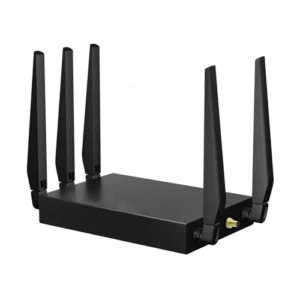
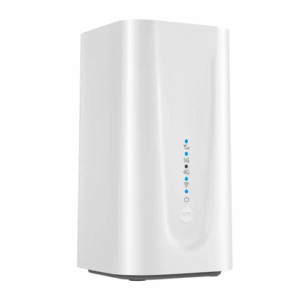
- Cellular IoT Gateways: Enable communication between sensors and the cloud.
- GPS Tracking Devices: Monitor and optimize collection routes.
- Edge Computing Devices: Process data locally to minimize latency.
- Mobile Devices: Used by collection teams to receive updates and schedules.
- Power Supplies: Solar panels or batteries to ensure continuous operation.
- Enclosures: Weather-resistant casings for outdoor placement.
- Cloud Integration Units: Allow seamless data transfer to cloud platforms for analytics.
Physical Placement Considerations of the Hardware
The hardware in the Cellular IoT Enabled Smart Waste Management System needs to be strategically placed to ensure optimal performance. Waste bins should be equipped with fill-level sensors that are weatherproof and resistant to environmental damage. These sensors should be installed in a way that minimizes interference, ensuring accurate data collection.
Cellular IoT gateways should be placed in proximity to sensor clusters, ideally within the range of cellular coverage, to ensure seamless communication. GPS tracking devices need to be securely mounted on collection vehicles to allow for real-time route optimization.
Power supplies, such as solar panels, should be installed in areas with sufficient exposure to sunlight for charging. Additionally, it’s crucial to ensure that all devices are enclosed in weather-resistant cases to protect them from harsh environmental conditions.
Hardware Architecture of Cellular IoT Enabled Smart Waste Management System
The hardware architecture is designed to provide robust and scalable waste management capabilities. The primary components include:
- Sensors: Installed in waste bins to monitor the fill level.
- Gateways: Act as communication hubs between the sensors and the cloud.
- Tracking Devices: GPS-enabled to monitor vehicle movement.
- Edge Computing: Enables processing of data locally before sending it to the cloud.
- Cloud Platform: Centralized platform for data storage, analytics, and visualization.
- Mobile Devices: Provide real-time updates to collection teams.
These components work together to provide real-time data monitoring, route optimization, and predictive analytics.
Deployment Considerations of Cellular IoT Enabled Smart Waste Management System
Deploying the Cellular IoT Enabled Smart Waste Management System requires careful planning to ensure successful integration into existing infrastructure. Key considerations include:
- Cellular Coverage: Ensure that the deployment area has adequate cellular network coverage for seamless communication.
- Device Installation: Proper installation of sensors and gateways is crucial to ensure accurate data transmission and minimize downtime.
- Power Supply: Choose power sources that are sustainable and reliable, such as solar panels for remote areas.
- Scalability: The system must be scalable to accommodate additional sensors, gateways, and vehicles as the waste management network grows.
- Maintenance: Establish a routine for maintaining hardware components, especially sensors and power supplies, to ensure long-term reliability.
List of Relevant Industry Standards and Regulations
- ISO/IEC 27001: Information Security Management
- ISO 14001: Environmental Management Systems
- CE Marking (for product safety in the EU)
- FCC (Federal Communications Commission) Regulations for IoT devices
- RoHS (Restriction of Hazardous Substances)
- GDPR (General Data Protection Regulation) Compliance
- Industry-specific regulations for waste management and disposal (varies by region)
Local Server Version of Cellular IoT Enabled Smart Waste Management System
A local server version of the Cellular IoT Enabled Smart Waste Management System allows data processing and management to occur on-site, without relying on cloud services. This version is ideal for locations with limited or no internet connectivity or where data privacy concerns are paramount. The local server can collect and process data from the IoT devices, allowing waste management teams to monitor system status, receive alerts, and generate reports. Once the internet connection is restored, the data can be synchronized with cloud-based platforms for advanced analytics and storage.
Cloud Integration and Data Management
The Cellular IoT Enabled Smart Waste Management System seamlessly integrates with cloud platforms to provide advanced data management and analytics capabilities. Real-time data from sensors and devices are transmitted via cellular IoT gateways to the cloud, where it is stored and processed.
The cloud platform allows waste management operators to access and visualize data through user-friendly dashboards, providing insights into waste bin fill levels, collection schedules, and vehicle routes. Additionally, predictive analytics tools can help forecast waste generation patterns, allowing for proactive adjustments to collection schedules.
The Inventory Master’s robust cloud integration ensures scalability, security, and flexibility in data management, enabling your waste management system to evolve and adapt as your needs change.
GAO Case Studies of Cellular IoT Enabled Smart Waste Management
- New York City, New York
In New York City, the adoption of cellular IoT waste management has significantly enhanced operational efficiency. The system optimizes waste collection by monitoring fill levels of bins throughout the city in real-time. By leveraging cellular connectivity, waste management teams can adjust routes dynamically, reducing fuel consumption and improving collection schedules.
- Los Angeles, California
Los Angeles has implemented a cellular IoT-based waste management solution to better manage its vast urban waste system. IoT sensors track bin fill levels, transmitting real-time data via cellular networks to a centralized cloud platform. This integration allows for more efficient route planning, reducing labor and fuel costs while ensuring timely waste disposal services across the city.
- Chicago, Illinois
In Chicago, the use of cellular IoT devices has streamlined the city’s waste management system. Fill-level sensors integrated with cellular IoT networks enable waste bins to communicate their status. This system allows waste collection trucks to be dispatched only when necessary, helping to minimize fuel use, reduce traffic congestion, and improve overall operational efficiency.
- San Francisco, California
San Francisco utilizes cellular IoT to improve its waste collection operations, utilizing sensors that monitor waste bin levels and send alerts when bins are full. The data is transmitted via cellular networks to a centralized system that helps plan waste collection routes based on real-time information, improving resource allocation and operational efficiency.
- Houston, Texas
Houston has successfully integrated cellular IoT technology to improve waste management practices. IoT-enabled sensors monitor waste levels in bins across the city and send data to a central platform. This system allows waste collection teams to optimize collection schedules and routes, reducing unnecessary pickups and associated costs, leading to more sustainable waste management.
- Seattle, Washington
Seattle’s implementation of cellular IoT in waste management has enhanced its waste disposal processes. The city employs IoT sensors to monitor the fill levels of waste bins, with the data transmitted via cellular networks. This system allows for data-driven decisions on waste collection, improving efficiency, reducing carbon emissions, and optimizing routes to ensure timely pickups.
- Denver, Colorado
In Denver, cellular IoT technology has been deployed to monitor waste management across urban and suburban areas. The system collects real-time data from sensors in waste bins and transmits it via cellular networks to a cloud-based platform. This enables waste management teams to optimize collection routes, decrease labor costs, and lower carbon emissions.
- Miami, Florida
Miami has adopted cellular IoT solutions for its waste management operations. Waste bins are equipped with fill-level sensors that send data via cellular IoT networks to a cloud-based analytics platform. This system allows for more efficient scheduling of pickups, optimizing waste collection routes and reducing unnecessary trips, thereby improving overall operational efficiency.
Related products

Industrial 4G LTE Mobile Cellular Modem with Dual SIM and Wi-Fi – The Inventory Master
Product successfully added to the Quote List
5G Broadband Cellular Modem with Dual-Band Wi-Fi, USB-C, and 2 GHz CPU – The Inventory Master
Product successfully added to the Quote List
Dual SIM Multi-Function Cellular Router with Gigabit Ethernet – The Inventory Master
Product successfully added to the Quote List
4G Wi-Fi Cellular Module with VPN, Dual Watchdogs & Cloud System – The Inventory Master
Product successfully added to the Quote List