Technical Architecture of the Cellular IoT Enabled Telecommunications IoT System
The Cellular IoT Enabled Telecommunications IoT System integrates advanced cellular networks and IoT protocols to enable seamless connectivity. It features a layered architecture combining IoT devices, communication protocols, and cloud-based analytics for real-time monitoring and decision-making. Key elements include IoT sensors, cellular gateways, and robust data management solutions, ensuring scalability and interoperability.
Explore our solutions for Cellular IoT Systems and learn how we bring advanced connectivity to industries worldwide.
Hardware Components of the Cellular IoT Enabled Telecommunications IoT System
The system comprises:
- Lightweight Cellular IoT Wearable Devices: Ideal for healthcare, fitness monitoring, and real-time tracking.
- IoT Sensors: Collecting critical environmental and operational data.
- Gateways: Supporting communication across multiple IoT devices.
- Data Servers: Storing and processing large volumes of IoT data.
- GPS and Remote Monitoring Devices: Enabling accurate positioning and remote tracking.
We provide specialized hardware to meet diverse requirements, backed by our expertise in IoT deployment.
Physical Placement Considerations
- Sensors: Deployed in strategic areas for optimal data collection and signal strength.
- Gateways: Centrally located for efficient communication and minimal interference.
- Servers: Installed in secure facilities with temperature and power regulation systems.
- Wearable Devices: Positioned to maximize usability and data accuracy.
The Inventory Master ensures hardware placement aligns with smart lighting and IoT standards to optimize system performance.
Hardware Architecture
The hardware architecture includes:
- IoT Endpoints: Featuring advanced sensors and actuators.
- Edge Devices: Equipped with high-performance cellular modules.
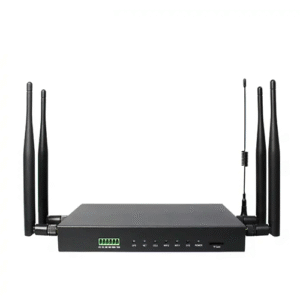
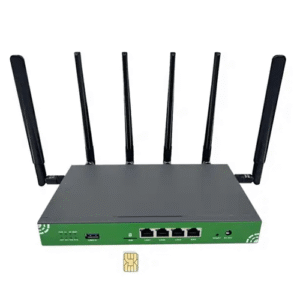
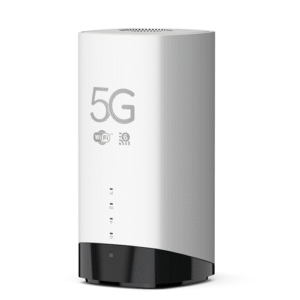
- Gateways: Acting as intermediaries between IoT devices and cellular networks.
- Cloud-Connected Servers: Centralized storage and analysis systems.
The Inventory Master designs scalable hardware ecosystems to meet growing IoT demands.
Deployment Considerations
- Compatibility with Cellular Standards: Supporting NB-IoT, LTE-M, and 5G protocols.
- Environmental Resilience: Hardware built to withstand extreme conditions.
- Regulatory Compliance: Designed to meet stringent industry regulations.
- Ease of Integration: Seamlessly integrates with existing systems for quicker deployment.
We offer tailored deployment services, ensuring your systems comply with relevant standards.
Industry Standards and Regulations
- 3GPP Standards
- IEEE 802.15.4
- ITU-T Recommendations
- FCC Regulations
- ISO 27001
- GDPR
- NIST Cybersecurity Framework
Local Server Version
Our system can run locally, providing enhanced security and data control. The Cellular IoT Enabled Telecommunications IoT System configured for local servers ensures:
- Full data ownership and privacy.
- Reduced latency for critical applications.
- Compliance with sensitive regulatory requirements.
Cloud Integration and Data Management
The system integrates seamlessly with the cloud for real-time analytics and global access. Key features include:
- Scalable Storage: Efficient handling of vast IoT data.
- AI-Powered Analytics: Offering predictive insights for smarter decision-making.
- Secure Data Transmission: Complying with global encryption standards.
Explore our expertise in cloud IoT platforms to enhance your system’s performance.
GAO Case Studies of Cellular IoT Enabled Telecommunications IoT
- New York City, USA
A telecommunications company in New York City utilized cellular IoT technology to streamline its network infrastructure management. The solution enabled real-time monitoring of system performance, rapid identification of faults, and improved operational efficiency, ensuring consistent and reliable service for millions of users.
- Los Angeles, USA
In Los Angeles, a major telecommunications provider leveraged cellular IoT to enhance its customer support operations. By implementing smart devices connected via IoT, the company was able to proactively manage service issues, reducing downtime and improving overall customer satisfaction with faster response times.
- Chicago, USA
A prominent telecommunications firm in Chicago integrated cellular IoT solutions to manage its network traffic. By collecting data from IoT-enabled devices, they optimized bandwidth allocation, reduced congestion, and ensured better service delivery to end users, particularly in high-demand urban areas.
- Dallas, USA
In Dallas, an IoT-powered telecommunications system was deployed to optimize infrastructure monitoring. Cellular IoT sensors tracked equipment health and usage, providing predictive analytics that helped prevent failures and reduce maintenance costs, leading to a significant increase in operational uptime.
- Houston, USA
A telecommunications company in Houston implemented cellular IoT to manage its remote assets more effectively. The system provided real-time monitoring of environmental factors like temperature and humidity, which were crucial for maintaining optimal conditions for sensitive telecommunications equipment across various locations.
- Miami, USA
Miami’s telecommunications infrastructure was upgraded with cellular IoT technology to improve customer service in the retail sector. Smart IoT devices monitored customer interactions and equipment performance, resulting in optimized service delivery and improved customer experiences in the city’s busy commercial areas.
- Phoenix, USA
In Phoenix, a telecommunications provider adopted cellular IoT to automate the management of its mobile network. IoT devices connected to cell towers and base stations allowed for continuous monitoring and adjustments, ensuring stable and efficient connectivity, even in remote or hard-to-reach locations.
- San Francisco, USA
A leading telecommunications provider in San Francisco deployed a cellular IoT solution to track the condition of its physical infrastructure. By using IoT-enabled sensors, they were able to monitor the wear and tear of equipment, schedule proactive maintenance, and enhance the longevity of their assets.
- Seattle, USA
Seattle’s telecommunications market benefited from a cellular IoT implementation that supported smart city initiatives. IoT-enabled devices were used to monitor and control network traffic, enhancing data delivery speeds and optimizing resource allocation for the growing number of smart applications in the city.Related products

Dual-SIM Multi-Function Cellular Modem with Gigabit Ethernet – The Inventory Master
Product successfully added to the Quote List
Dual-Core Multi-SIM 4G/5G Cellular Modem with Wi-Fi 6 and POE – The Inventory Master
Product successfully added to the Quote List
Advanced 5G CPE Modem with Qualcomm Snapdragon X55 and Wi-Fi 6 – The Inventory Master
Product successfully added to the Quote List
4G Wi-Fi Cellular Module with VPN, Dual Watchdogs & Cloud System – The Inventory Master
Product successfully added to the Quote List