Technical Architecture of the Cellular IoT Enabled Transportation IoT System
The Cellular IoT Enabled Transportation IoT System incorporates a robust architecture designed for efficient, real-time tracking and management of transportation fleets. The system uses cellular IoT technology for seamless communication between devices and central platforms. Its architecture is divided into:
- Device Layer: This consists of IoT-enabled devices installed in vehicles, including sensors for tracking location, fuel, and engine performance.
- Communication Layer: Utilizes cellular networks (4G/5G) for data transmission between devices and cloud platforms or local servers.
- Cloud/Local Server Layer: Centralized servers (cloud or local) process and store the incoming data for analysis and reporting.
- Application Layer: Software interfaces for users to access real-time data, alerts, and analytics, typically in the form of web-based dashboards or mobile apps.
- Integration Layer: API integration with existing enterprise systems (e.g., fleet management, ERP systems).
List of Hardware for the Cellular IoT Enabled Transportation IoT System
The Cellular IoT Enabled Transportation IoT System requires the following hardware components:
- IoT Sensors: For vehicle diagnostics, GPS tracking, fuel monitoring, temperature, and humidity control.
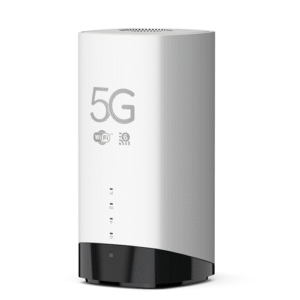
- Cellular IoT Modules: For communication via 4G/5G networks.
- Edge Computing Devices: For processing data locally before transmitting it to the cloud or server.
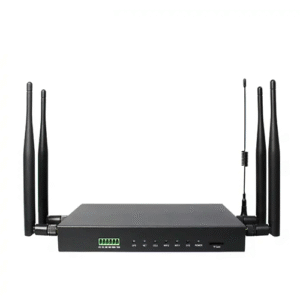
- Gateway Devices: To relay data between IoT devices and the communication network.
- Power Supply Units: Ensures continuous power to devices, including backup solutions.
- Mobile/Tablet Devices: For user interfaces to monitor the fleet status in real time.
- Server Hardware: For hosting local solutions, if a local server setup is selected.
Physical Placement Considerations of the Hardware
When deploying the Cellular IoT Enabled Transportation IoT System, it’s important to consider:
- Vehicle Integration: IoT sensors and devices should be securely placed in vehicles, ensuring that they are protected from environmental factors such as dust, water, and vibrations.
- Cellular Coverage: Devices must be located in areas with strong cellular coverage (4G/5G) to ensure continuous data transmission, especially in rural or remote areas.
- Gateway Placement: Gateways should be strategically positioned to ensure optimal coverage and reliable data transfer between IoT devices and the server/cloud.
- Edge Computing Devices: These devices should be placed in proximity to IoT devices to reduce latency and enable real-time data processing at the edge.
- User Devices: Mobile or tablet devices should be easily accessible to operators and fleet managers, allowing for remote monitoring and intervention.
Hardware Architecture of the Cellular IoT Enabled Transportation IoT System
The hardware architecture of the Cellular IoT Enabled Transportation IoT System involves multiple components working in unison to ensure efficient data flow and processing.
- IoT Sensors & Devices: These are placed in transportation vehicles to collect real-time data on parameters such as GPS coordinates, fuel consumption, engine health, and environmental conditions.
- Cellular IoT Modules: These modules facilitate the communication of sensor data over cellular networks (4G/5G) to remote or local servers.
- Gateway Devices: Serve as intermediaries between the devices and the central data systems. Gateways aggregate and route data from multiple IoT devices to cloud or local servers.
- Edge Computing Devices: Enable processing of data closer to the source, reducing latency and bandwidth needs for critical real-time decisions.
- Local Servers: Host on-premise applications and store data locally when cloud integration is not desired or feasible.
Deployment Considerations of the Cellular IoT Enabled Transportation IoT System
When deploying the Cellular IoT Enabled Transportation IoT System, several considerations must be taken into account to ensure a smooth implementation:
- Network Coverage: Ensure that the deployment area is within the coverage of 4G or 5G networks. Consider areas with weak cellular signals, such as tunnels or remote regions, and plan accordingly.
- Data Security: Implement strong encryption and authentication methods to protect sensitive transportation data.
- Scalability: The system should be scalable to accommodate growing fleets and additional sensors or vehicles in the future.
- Power Management: Devices should be equipped with robust power management solutions, such as solar power for remote areas or backup batteries, to ensure 24/7 operation.
- Integration with Existing Systems: Plan for seamless integration with existing fleet management software and enterprise resource planning (ERP) systems.
List of Relevant Industry Standards and Regulations
- ISO/IEC 27001 (Information Security Management)
- ISO/IEC 15045 (Automotive communication protocols)
- ETSI EN 302 544 (Cellular IoT Standards)
- ITU-T Y.4401 (Smart transportation systems)
- FCC Part 15 (Radio frequency devices)
- 5G NR (New Radio) Standards
- SAE J1939 (Vehicle network protocols)
- GDPR (General Data Protection Regulation)
- UL 2900 (Cybersecurity for connected devices)
Local Server Version (Running with a Local Server)
The Cellular IoT Enabled Transportation IoT System can be deployed with a local server setup for scenarios where cloud computing is not preferred. In this version, data collected from IoT devices is processed and stored on-site using dedicated server hardware. This configuration can benefit industries with strict data sovereignty requirements or limited internet access. Local servers can be configured to provide real-time data analytics, alarm notifications, and full integration with internal enterprise systems.
Cloud Integration and Data Management
For cloud-based deployments of the Cellular IoT Enabled Transportation IoT System, data is transmitted from IoT devices via cellular networks (4G/5G) to cloud servers. The cloud infrastructure provides scalable data storage, high availability, and processing capabilities. The system supports data aggregation from multiple vehicles and allows fleet managers to access real-time analytics, predictive maintenance alerts, and historical performance data from any location.
The Inventory Master’s cloud-integrated solutions offer flexible data management, enabling secure storage, advanced analytics, and the integration of data with other enterprise systems. Our solutions are designed to provide seamless access to transportation data, empowering fleet managers to make informed decisions that enhance operational efficiency and reduce costs. With our expertise, we ensure that your transportation IoT solutions meet your specific business needs, whether cloud-based or locally hosted. Explore more of our cellular IoT solutions to learn how we can assist with your IoT deployment needs.
GAO Case Studies of Cellular IoT Enabled Transportation IoT
- New York City, USA
In New York City, a transportation authority implemented cellular IoT to enhance real-time tracking of buses and trains. By deploying IoT sensors across vehicles, the system provided detailed analytics on vehicle location, speed, and performance, improving scheduling efficiency and passenger experience.