Overview of Agricultural Drones Using LoRaWAN
Agricultural drones equipped with LoRaWAN technology are revolutionizing precision farming. These drones provide real-time data on crop health, soil conditions, and environmental factors, enabling farmers to make informed decisions. LoRaWAN’s long-range, low-power communication allows drones to cover vast agricultural fields while efficiently transmitting data to centralized systems. This technology ensures continuous monitoring, even in remote areas with limited connectivity. Agricultural drones, when integrated with LoRaWAN, can optimize irrigation, reduce the need for chemical inputs, and improve yield predictions. The combination of aerial surveillance and robust communication networks enhances sustainable farming practices, leading to better resource management and increased productivity. As a result, agricultural drones using LoRaWAN are becoming essential tools for modern precision agriculture.
Applications in Agricultural Drones Using LoRaWAN
- Precision agriculture with drones
- Crop health monitoring with drones
- Pest and disease management with drones
- Weed control using drones
- Soil analysis with agricultural drones
- Yield mapping with drones
- Livestock monitoring with drones
- Infrastructure inspection with agricultural drones
- Disaster response with drones
- Pollination assistance with drones
- Data analytics for agricultural drones
- Crop spraying with drones
- Terrain mapping with agricultural drones
- Environmental monitoring with drones
- Fire detection with drones
- Wildlife monitoring with drones
- Drone fleet management
- Sensor integration with agricultural drones
- Real-time decision support with drones
- Autonomous agricultural drone operations
- Drone-to-drone communication
- Ground-based IoT integration with drones
- Agricultural drone swarms
- Precision livestock farming with drones
- Crop insurance assessment with drones
- LoRaWan network optimization for drones
- Drone payload optimization
- Battery efficiency for agricultural drones
- Data security for agricultural drones
- Regulatory compliance for agricultural drones
Technical Specifications of The Inventory Master Agricultural Drones Using LoRaWAN
LoRaWAN end devices in Agricultural Drones Systems
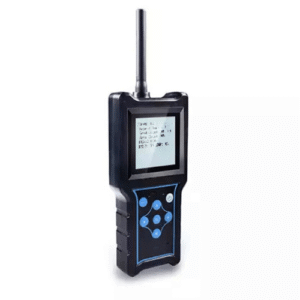
In agricultural drones, LoRaWAN end devices are essential for enabling long-range, low-power communication over vast agricultural fields. These devices are typically integrated into various parts of the drone, depending on the specific applications they support. Commonly, LoRaWAN end devices are embedded within the drone’s payload or sensor modules, where they are connected to sensors monitoring crop health, soil moisture, and environmental conditions. This integration allows agricultural drones to transmit real-time data to a central hub or gateway, facilitating continuous data collection across large areas without the need for direct line-of-sight communication.
Additionally, LoRaWAN end devices are often incorporated into the drone’s communication module. This placement ensures stable data transmission to remote servers or cloud platforms, even in isolated or hard-to-reach areas. In some instances, these devices are attached directly to specific drone components like sprayers or cameras. This configuration enables agricultural drones to perform their primary tasks while simultaneously providing real-time feedback and monitoring. By integrating LoRaWAN end devices, agricultural drones significantly enhance the precision and effectiveness of agricultural operations, supporting advanced precision farming techniques and improving overall farm management.
LoRaWAN Gateways in Agricultural Drones Systems
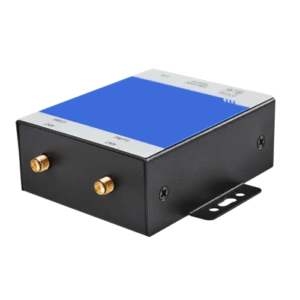
In agricultural drones, LoRaWAN gateways are critical components that facilitate communication between the drones and centralized systems. These gateways are typically installed in a strategic location on the drone to ensure optimal performance and coverage. The most common placement for LoRaWAN gateways is on the drone’s fuselage or central body, where they can be securely mounted and protected from external elements. This central positioning allows the gateway to maintain a stable connection with both the onboard sensors and the ground-based LoRaWAN network.
To ensure that agricultural drones can effectively cover large areas, the LoRaWAN gateways are designed to provide long-range communication capabilities. This means that the antennas associated with the gateway are often installed on the highest part of the drone, such as the top of the fuselage or on dedicated antenna mounts. This placement maximizes signal strength and minimizes interference, enabling the agricultural drones to transmit data over long distances, even in challenging environments like dense crop fields or hilly terrains.
Cloud Systems
The Inventory Master LoRaWAN Cloud Systems consist of the following parts:
The Inventory Master LoRaWAN Gateways and End Devices
- LORAWAN
- LoRaWAN Gateways
- LoRaWAN End Devices
- LoRaWAN Accessories
- LoRaWan – Cloud, Server, PC & Mobile Systems
- LoRaWAN Resources
- LoRaWAN Systems
The Inventory Master LoRaWAN Cloud Services Engine
Cloud Infrastructure, LoRaWAN Middleware, Data Analytics and Business Intelligence, and Security Measures.
Integration APIs
APIs enable seamless integration between the LoRaWAN solution and existing agricultural drone systems such as POS, inventory management, and e-commerce platforms, allowing for data exchange and synchronization.
Server, PC & Mobile Systems
The Inventory Master Server, PC & Mobile LoRaWAN Systems are composed of
LoRaWAN Gateways and LoRaWAN End Devices
The Inventory Master Server, PC & Mobile Software Engine LoRaWAN
Servers, PCs, Mobile Computing Devices and Infrastructure, Middleware Software, and Database Management System.
Integration with Agricultural Drones System
The server, PC and mobile solution integrates with existing agricultural drone systems such as inventory management, asset management, point-of-sale (POS), and enterprise resource planning (ERP) systems. Integration is achieved through APIs, database connections, or middleware adapters, enabling seamless data exchange and synchronization.