Overview of Crop Monitoring Using LoRaWAN
Crop Monitoring systems utilizing LoRaWAN are revolutionizing modern agriculture. By leveraging Low Power Wide Area Network (LoRaWAN) technology, these systems enable real-time data collection from sensors distributed across vast agricultural fields. These sensors monitor various parameters, such as soil moisture, temperature, and crop health, providing critical insights that help optimize irrigation, fertilization, and pest management practices.
The key advantage of LoRaWAN in crop monitoring is its ability to transmit data over long distances with minimal power consumption, making it ideal for rural and remote agricultural areas. This technology ensures that farmers can make data-driven decisions to enhance crop yields, reduce resource wastage, and improve overall agricultural efficiency. As a result, LoRaWAN-based crop monitoring systems are becoming essential tools in precision farming.
Applications in Crop Monitoring Using LoRaWAN
- Soil moisture monitoring
- Temperature monitoring
- Crop health surveillance
- Pest detection
- Irrigation control
- Fertilization management
- Weather condition monitoring
- Crop growth tracking
- Water usage optimization
- Nutrient level monitoring
- Frost detection
- Disease outbreak prediction
- Yield prediction
- Harvest timing optimization
- Remote field monitoring
- Crop mapping
- Carbon dioxide level monitoring
- Humidity monitoring
- Seedling establishment tracking
- Microclimate monitoring
- Livestock grazing impact monitoring
- Precision irrigation scheduling
- Crop rotation planning
- Soil pH monitoring
- Drought monitoring and alerting
- Crop stress detection
- Greenhouse environment monitoring
- Soil salinity monitoring
- Insect population tracking
- Leaf wetness monitoring
- Rainfall monitoring
- Heat stress detection
- Wind speed and direction monitoring
- Root zone monitoring
- Fertilizer application tracking
- Automated irrigation systems
- Crop disease diagnostics
- Photoperiod tracking
- Canopy temperature monitoring
- Seed germination monitoring
Technical Specifications of The Inventory Master Crop Monitoring Using LoRaWAN
LoRaWAN End Devices in Crop Monitoring Systems
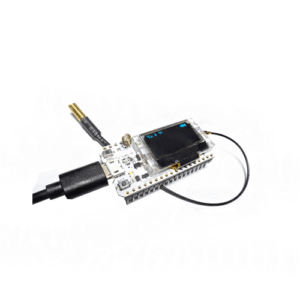
In crop monitoring systems, LoRaWAN end devices are strategically placed to collect critical data from various agricultural environments. These end devices are typically sensors that monitor parameters such as soil moisture, temperature, humidity, and crop health. Their placement is crucial for ensuring accurate and comprehensive data collection across the entire field.
Soil sensors are commonly buried at different depths in the soil to measure moisture levels, temperature, and nutrient content directly at the root zone of crops. These sensors provide real-time data that can be used to optimize irrigation and fertilization schedules, ensuring that crops receive the right amount of water and nutrients.
Above-ground sensors are often attached to stakes or poles to monitor environmental conditions like temperature, humidity, and light intensity. These devices are crucial for tracking microclimatic changes that can affect crop growth, pest activity, and disease spread. For example, temperature and humidity sensors help predict frost or heat stress, allowing farmers to take preventive measures.
Canopy-level sensors are sometimes attached to the crop itself, or to structures like trellises, to monitor plant health indicators such as leaf wetness, chlorophyll levels, and canopy temperature. These sensors provide insights into the crop’s physiological status, enabling early detection of stress or disease.
LoRaWAN end devices communicate wirelessly with gateways placed at strategic locations within or near the field. These gateways aggregate data from multiple sensors and transmit it to a central server for analysis. The low-power, long-range capabilities of LoRaWAN make it ideal for large, dispersed agricultural areas, ensuring reliable data transmission even in remote locations.
LoRaWAN Gateways in Crop Monitoring Systems
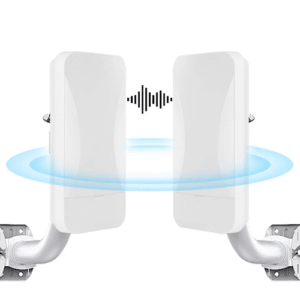
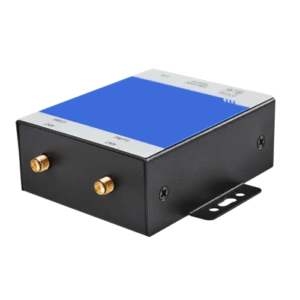
In crop monitoring systems, the strategic placement and installation of LoRaWAN gateways are vital for ensuring seamless communication between the field-deployed sensors and the central data processing units. These gateways serve as the critical link that aggregates data from numerous end devices and transmits it to cloud-based servers or local databases for analysis.
LoRaWAN gateways are typically installed at elevated locations to maximize their coverage area and ensure an unobstructed line of sight to the sensors dispersed across the fields. Common installation points include the tops of poles, towers, or the roofs of farm structures, which help minimize interference from physical obstacles like trees, buildings, or uneven terrain. In expansive or geographically challenging agricultural fields, multiple gateways might be necessary to provide comprehensive coverage, ensuring that every sensor remains within communication range.
The range of a LoRaWAN gateway can span several kilometres, depending on the terrain and the quality of the gateway’s antenna. This extensive coverage capability makes LoRaWAN particularly well-suited for large-scale and remote agricultural operations. The primary goal in a crop monitoring system is to ensure that the entire farming area is within the gateway’s reach, allowing for consistent and reliable data collection from sensors monitoring soil moisture, temperature, crop health, and other critical parameters.
Powering these gateways is another important consideration. Depending on the location, gateways can be powered by mains electricity, solar panels, or batteries, ensuring continuous operation even in areas with limited infrastructure. Connectivity to the internet is usually established through Ethernet, cellular networks, or satellite connections, enabling real-time data transmission and access.
Cloud Systems
The Inventory Master LoRaWan Cloud Systems consist of the following parts:
The Inventory Master LoRaWan Gateways and End Devices:
- LORAWAN
- LoRaWAN Gateways
- LoRaWAN End Devices
- LoRaWAN Accessories
- LoRaWan – Cloud, Server, PC & Mobile Systems
- LoRaWAN Resources
- LoRaWAN Systems
The Inventory Master LoRaWAN Cloud Services Engine
Cloud Infrastructure, LoRaWAN Middleware, Data Analytics and Business Intelligence, and Security Measures.
Integration APIs
APIs enable seamless integration between the LoRaWAN solution and existing crop monitoring systems such as POS, inventory management, and e-commerce platforms, allowing for data exchange and synchronization.
Server, PC & Mobile Systems
The Inventory Master Server, PC & Mobile LoRaWAN Systems are composed of
LoRaWAN Gateways and LoRaWAN End Devices
The Inventory Master Server, PC & Mobile Software Engine LoRaWAN
Servers, PCs, Mobile Computing Devices and Infrastructure, Middleware Software, and Database Management System.
Integration with Crop Monitoring Systems
The server, PC, and mobile solution integrates with existing crop monitoring systems such as inventory management, asset management, point-of-sale (POS), and enterprise resource planning (ERP) systems. Integration is achieved through APIs, database connections, or middleware adapters, enabling seamless data exchange and synchronization.