Overview of Precision Planting Using LoRaWAN
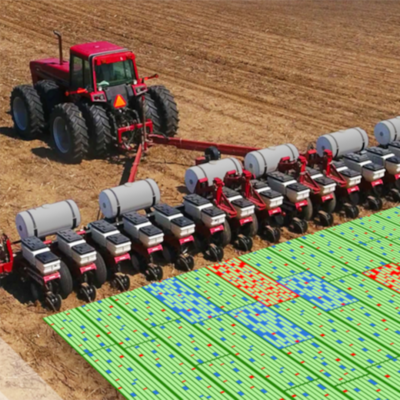
Precision planting systems using LoRaWAN leverage long-range, low-power communication technology to enhance the accuracy and efficiency of planting operations in agriculture. By integrating LoRaWAN with sensors and GPS systems, precision planting enables real-time monitoring of soil conditions, seed placement and environmental factors. LoRaWAN’s wide coverage and low power requirements make it ideal for large-scale farms, allowing continuous data transmission without the need for constant battery replacement or infrastructure expansion. Through this technology, farmers can achieve optimal plant spacing, soil moisture monitoring, and variable rate seeding, resulting in higher yields and reduced waste. Precision planting systems, supported by LoRaWAN, provide critical insights that allow for more data-driven decisions, enhancing productivity while minimizing environmental impact in modern agriculture.
Applications in Precision Planting Using LoRaWAN
- Real-time soil moisture monitoring
- Seed depth control
- Plant spacing optimization
- Crop health assessment
- Fertilizer application tracking
- Pest detection and management
- Weather condition monitoring
- Irrigation scheduling
- Fertility mapping
- Field temperature monitoring
- Weed detection and control
- Crop growth tracking
- Nutrient level analysis
- Precision planting equipment diagnostics
- Yield prediction
- Precision planting data analytics
- Remote field monitoring
- Variable rate seeding
- Soil compaction measurement
- Precision planting workflow automation
- Soil pH measurement
- Crop canopy coverage analysis
- Disease outbreak monitoring
- Seedling emergence tracking
- Harvest readiness assessment
- Precision planting equipment calibration
- Soil erosion detection
- Weather impact analysis
- Field zone management
- Autonomous planting systems integration
Technical Specifications of The Inventory Master Precision Planting Using LoRaWAN
LoRaWAN end devices in Precision Planting Systems
In precision planting, LoRaWAN end devices are deployed across various components to optimize field management and enhance data collection. Soil sensors, integrated with LoRaWAN technology, are placed at different depths and locations in the soil to monitor moisture, pH, and temperature. These devices provide crucial data that helps in adjusting planting conditions for optimal seed growth. Additionally, planting machinery, including planters and seed drills, is equipped with LoRaWAN end devices to ensure accurate seed depth, spacing, and planting patterns, thereby improving planting precision and efficiency.
LoRaWAN end devices are also attached to irrigation systems, weather stations, and pest detection tools. In irrigation systems, they manage water distribution based on real-time soil moisture and weather data, ensuring efficient water use. Weather stations equipped with LoRaWAN sensors collect data on temperature, humidity, and precipitation, aiding in adaptive planting strategies. Pest and disease monitors, as well as field drones with LoRaWAN technology, track crop health and detect issues early. This integration of LoRaWAN end devices across these areas supports real-time data transmission, enabling more informed decisions and ultimately enhancing precision planting practices.
LoRaWAN Gateways in Precision Planting Systems
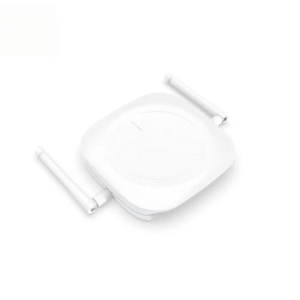
In precision planting, LoRaWAN gateways are strategically installed to facilitate effective communication between end devices and the central network. These gateways are typically mounted on elevated structures such as poles, towers, or rooftops within or around the field. By positioning them at high points, the gateways can maximize their range and line-of-sight coverage, ensuring that data from various end devices—like soil sensors, weather stations, and planting machinery—can be reliably transmitted over long distances.
The gateways collect data transmitted by LoRaWAN end devices and relay it to a central server or cloud-based platform for processing. They are designed for long-range communication and operate with low power consumption, making them ideal for the expansive and often remote areas involved in precision planting. Proper installation and maintenance of these gateways are crucial to avoid interference and ensure continuous operation, thereby enhancing the efficiency and accuracy of precision planting practices.
Cloud Systems
The Inventory Master LoRaWAN Cloud Systems consist of the following parts:
The Inventory Master LoRaWAN Gateways and End Devices
- LORAWAN
- LoRaWAN Gateways
- LoRaWAN End Devices
- LoRaWAN Accessories
- LoRaWan – Cloud, Server, PC & Mobile Systems
- LoRaWAN Resources
- LoRaWAN Systems
The Inventory Master LoRaWAN Cloud Services Engine
Cloud Infrastructure, LoRaWAN Middleware, Data Analytics and Business Intelligence, and Security Measures.
Integration APIs
APIs enable seamless integration between the LoRaWAN solution and existing precision planting such as POS, inventory management, and e-commerce platforms, allowing for data exchange and synchronization.
Server, PC & Mobile Systems
The Inventory Master Server, PC & Mobile LoRaWAN systems are composed of
LoRaWAN Gateways and LoRaWAN End Devices
The Inventory Master Server, PC & Mobile Software Engine LoRaWAN
Servers, PCs, Mobile Computing Devices and Infrastructure, Middleware Software, and Database Management System.
Integration with Precision Planting
The server, PC and mobile solution integrates with existing precision planting such as inventory management, asset management, point-of-sale (POS), and enterprise resource planning (ERP) systems. Integration is achieved through APIs, database connections, or middleware adapters, enabling seamless data exchange and synchronization.