Overview of Soil Moisture Monitoring Using LoRaWAN
Soil Moisture Monitoring using LoRaWAN (Long Range Wide Area Network) leverages wireless technology to provide efficient, real-time data collection over extensive agricultural fields. This system utilizes low-power sensors to measure soil moisture levels, transmitting the data over long distances via LoRaWAN gateways to a centralized server or cloud platform. The advantages of Soil Moisture Monitoring with LoRaWAN include low energy consumption, extended range, and scalability, making it ideal for large-scale farming operations. By continuously monitoring soil moisture, farmers can optimize irrigation practices, reduce water usage, and improve crop yields. This approach enhances precision agriculture, enabling informed decision-making based on accurate soil moisture data, ultimately contributing to sustainable farming practices.
Applications in Soil Moisture Monitoring Using LoRaWAN
- Precision irrigation
- Crop yield management
- Soil Moisture Monitoring in vineyards
- Soil Moisture Monitoring in orchards
- Greenhouse soil monitoring
- Smart farming systems
- Drought risk management
- Soil Moisture Monitoring in forestry
- Urban landscape management
- Water conservation planning
- Soil Moisture Monitoring in golf courses
- Soil health assessment
- Flood prediction systems
- Soil Moisture Monitoring in remote regions
- Climate impact studies
- Soil Moisture Monitoring in horticulture
- Environmental monitoring projects
- Soil Moisture Monitoring in pastures
- Automated irrigation systems
- Soil erosion control
- Soil Moisture Monitoring in arid zones
- Research and education
- Soil Moisture Monitoring in parks
- Sustainable agriculture practices
- Soil Moisture Monitoring in rangelands
- Soil Moisture Monitoring for wetlands
- Soil Moisture Monitoring in desert reclamation
- Smart city infrastructure
- Soil Moisture Monitoring in conservation areas
- Soil Moisture Monitoring in urban gardens
Technical Specifications of The Inventory Master Soil Moisture Monitoring Using LoRaWAN
LoRaWAN end devices in Soil Moisture Monitoring
In soil moisture monitoring, LoRaWAN end devices are strategically placed within agricultural fields or other areas requiring moisture tracking. These devices, typically soil moisture sensors, are inserted directly into the soil at various depths to accurately measure the moisture content. Placement is often determined by factors such as soil type, crop type, and irrigation methods to ensure comprehensive coverage of the monitoring area.
The LoRaWAN end devices in Soil Moisture Monitoring are designed to be low-power and long-lasting, often using batteries that can operate for several years. These devices transmit soil moisture data wirelessly over long distances to a LoRaWAN gateway. The gateway then relays this data to a central server or cloud-based platform, where it can be analyzed and used to inform decisions on irrigation and water management.
LoRaWAN Gateways in Soil Moisture Monitoring
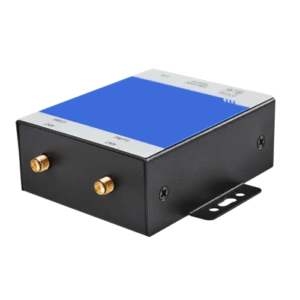
In soil moisture monitoring systems, LoRaWAN gateways are strategically installed to ensure efficient communication between remote sensors and centralized data platforms. The placement of these gateways is crucial for maximizing coverage while maintaining optimal signal strength in diverse terrains, particularly in agricultural fields where real-time soil moisture monitoring is critical.
Typically, LoRaWAN gateways are mounted on elevated structures such as poles, rooftops, or towers. This high placement helps avoid physical obstructions like trees, buildings, or terrain that could interfere with the long-range signals. The gateways are often positioned at the perimeter or within the field, ensuring that the sensors—installed directly in the soil at different depths—are within the gateway’s communication range, which can extend several miles depending on the landscape and environmental conditions.
To ensure reliable data transmission for soil moisture monitoring, the number of gateways required is determined by the field’s size, topography, and the specific moisture monitoring system’s needs. Gateways are typically connected to a power source, which could be solar panels in remote areas, and transmit data to cloud-based platforms via 4G or Ethernet backhaul.
LoRaWAN’s ability to support low-power, long-range communication allows for the continuous operation of moisture sensors over vast agricultural fields. This setup provides farmers and agricultural managers with accurate, real-time data on soil moisture levels, enabling better decision-making for irrigation, crop health, and water conservation efforts.
Cloud Systems
The Inventory Master LoRaWAN Cloud Systems consist of the following parts:
The Inventory Master LoRaWAN Gateways and End Devices
- LORAWAN
- LoRaWAN Gateways
- LoRaWAN End Devices
- LoRaWAN Accessories
- LoRaWan – Cloud, Server, PC & Mobile Systems
- LoRaWAN Resources
- LoRaWAN Systems
The Inventory Master LoRaWAN Cloud Services Engine
Cloud Infrastructure, LoRaWAN Middleware, Data Analytics and Business Intelligence, and Security Measures.
Integration APIs
APIs enable seamless integration between the LoRaWAN solution and existing soil moisture monitoring such as POS, inventory management, and e-commerce platforms, allowing for data exchange and synchronization.
Server, PC & Mobile Systems
The Inventory Master Server, PC & Mobile LoRaWAN Systems are composed of
LoRaWAN Gateways, and LoRaWAN End Devices
The Inventory Master Server, PC & Mobile Software Engine LoRaWAN
Servers, PCs, Mobile Computing Devices and Infrastructure, Middleware Software, and Database Management System.
Integration with Soil Moisture Monitoring
The server, PC and mobile solution integrates with existing soil moisture monitoring such as inventory management, asset management, point-of-sale (POS), and enterprise resource planning (ERP) systems. Integration is achieved through APIs, database connections, or middleware adapters, enabling seamless data exchange and synchronization.