Overview of Traffic Management Using LoRaWAN
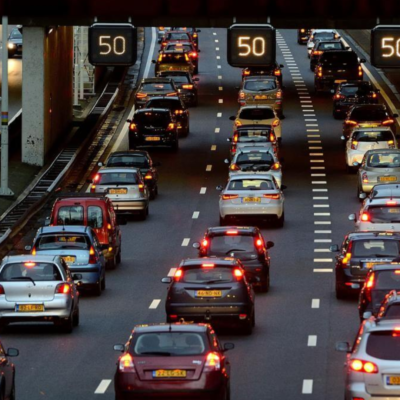
LoRaWAN (Long Range Wide Area Network) is increasingly leveraged for traffic management due to its ability to provide long-range, low-power communication for IoT devices. In traffic systems, LoRaWAN facilitates real-time data transmission from sensors embedded in roadways, vehicles, and traffic lights. This enables efficient monitoring and management of traffic flow, congestion, and incidents. With its extended coverage and low operational costs, LoRaWAN is ideal for urban and suburban traffic networks where maintaining constant connectivity is crucial. The network’s robustness also supports the deployment of many devices across wide areas, enhancing scalability and reducing infrastructure costs. This makes LoRaWAN a powerful tool in modernizing traffic management and contributing to smarter, more efficient urban environments.
Applications in Traffic Management Using LoRaWAN
- Smart Traffic Light Control
- Real-Time Traffic Flow Monitoring
- Adaptive Traffic Signal Timing
- Traffic Congestion Detection
- Vehicle Speed Monitoring
- Intelligent Intersection Management
- Emergency Vehicle Priority Control
- Dynamic Lane Management
- Traffic Incident Detection
- Automated Toll Collection
- Smart Parking Management
- Pedestrian Crossing Management
- Bicycle Lane Monitoring
- Public Transport Tracking
- Fleet Management Optimization
- Traffic Density Measurement
- Air Quality Monitoring in Traffic Zones
- Noise Pollution Monitoring
- Road Surface Condition Monitoring
- Weather Impact on Traffic Flow Monitoring
- Vehicle Emission Monitoring
- Traffic Violation Detection
- Dynamic Road Signage Control
- Remote Traffic Surveillance
- Traffic Data Analytics
- Autonomous Vehicle Coordination
- Road Work Zone Monitoring
- Highway Traffic Management
- Traffic Forecasting Systems
- Smart Road Infrastructure Management
- Real-Time Navigation Assistance
- Traffic Signal Preemption for Buses
- Traffic Flow Optimization
- Dynamic Traffic Routing
- Incident Response Management
- Overhead Bridge Monitoring
- Crosswalk Safety Monitoring
- Dynamic Speed Limit Control
- Intelligent Transport Systems Integration
- Traffic Light Synchronization
Technical Specifications of The Inventory Master Traffic Management Using LoRaWAN
LoRaWan end devices in Traffic Management Systems
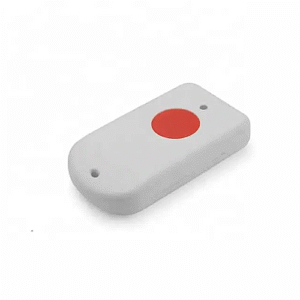
In Traffic Management systems, LoRaWAN end devices are strategically deployed across key infrastructure components to enable efficient data collection and communication. These devices are commonly installed on traffic lights, road signs, vehicles, parking spaces, and environmental monitoring stations. For example, in traffic lights and signals, LoRaWAN devices monitor and control traffic flow by communicating real-time data such as vehicle counts and congestion levels to central management systems. This data enables dynamic adjustments to signal timings, optimizing traffic flow. Similarly, sensors embedded in parking spaces or mounted on poles use LoRaWAN to transmit information about space availability, guiding drivers to open spots and reducing congestion caused by parking searches.
Additionally, LoRaWAN end devices play a crucial role in vehicle tracking, environmental monitoring, and road condition assessment. In public transport and fleet vehicles, these devices provide real-time location tracking, aiding in route optimization and reducing delays. Environmental monitoring is enhanced by LoRaWAN devices attached to roadside infrastructure, which track air quality, noise levels, and weather conditions, providing valuable data for urban planning and pollution control. Road condition monitoring is also supported by sensors embedded in the pavement, which use LoRaWAN to monitor temperature, moisture, and wear, enabling proactive maintenance and safer driving conditions. Integrating these LoRaWAN devices across various components of Traffic Management systems helps cities improve efficiency, reduce congestion, and create a safer, more responsive traffic network.
LoRaWan Gateways in Traffic Management Systems
In traffic management systems, LoRaWAN gateways are installed strategically to ensure optimal communication between traffic sensors, controllers, and centralized management platforms. These gateways play a key role in collecting and transmitting real-time data about traffic flow, vehicle counts, congestion, and traffic signal operations.
LoRaWAN gateways are typically installed on existing infrastructure like traffic lights, streetlights, or dedicated poles at key intersections, highways, or areas with heavy traffic. Elevated placements help avoid interference from buildings or other structures and maximize the range of the gateway, which can extend for several miles. In urban settings, where traffic management is dense, multiple gateways are often deployed to ensure complete coverage and redundancy, enhancing the reliability of the system.
These gateways are connected to power sources, typically through the grid, though solar power can be used in remote areas. Data from traffic sensors, such as vehicle detectors, speed sensors, and smart traffic lights, is transmitted via LoRaWAN to a central platform where it is analyzed to optimize traffic flow, reduce congestion, and improve overall road safety. The ability of LoRaWAN to handle long-range, low-power communication makes it well-suited for large-scale traffic management systems. With reliable data transmission, LoRaWAN gateways provide continuous monitoring and real-time updates, enabling traffic managers to make informed decisions, adjust signals, and manage congestion effectively across both urban and suburban road networks.
Cloud Systems
The Inventory Master LoRaWAN Cloud Systems consist of the following parts:
The Inventory Master LoRaWAN Gateways and End Devices
- LORAWAN
- LoRaWAN Gateways
- LoRaWAN End Devices
- LoRaWAN Accessories
- LoRaWan – Cloud, Server, PC & Mobile Systems
- LoRaWAN Resources
- LoRaWAN Systems
The Inventory Master LoRaWAN Cloud Services Engine
Cloud Infrastructure, LoRaWAN Middleware, Data Analytics and Business Intelligence, and Security Measures.
Integration APIs
APIs enable seamless integration between the LoRaWAN solution and existing traffic management systems such as POS, inventory management, and e-commerce platforms, allowing for data exchange and synchronization.
Server, PC & Mobile Systems
The Inventory Master Server, PC & Mobile LoRaWAN Systems are composed of
LoRaWAN Gateways and LoRaWAN End Devices
The Inventory Master Server, PC & Mobile Software Engine LoRaWAN
Servers, PCs, Mobile Computing Devices and Infrastructure, Middleware Software, and Database Management System.
Integration with traffic management systems
The server, PC and mobile solution integrates with existing traffic management systems such as inventory management, asset management, point-of-sale (POS), and enterprise resource planning (ERP) systems. Integration is achieved through APIs, database connections, or middleware adapters, enabling seamless data exchange and synchronization.