Overview of Water Management Using LoRaWAN
Water management systems using LoRaWAN offer a cutting-edge solution for monitoring, controlling, and optimizing water resources. These systems leverage LoRaWAN’s long-range, low-power capabilities to ensure reliable communication across wide geographic areas, making them ideal for applications such as smart irrigation, leak detection, and water metering. By integrating LoRaWAN technology, water management systems can collect and transmit real-time data from remote sensors, allowing for proactive decision-making and efficient resource allocation. The low energy consumption of LoRaWAN devices extends the lifespan of sensors, reducing maintenance needs and operational costs. This makes LoRaWAN a powerful enabler for scalable, reliable, and sustainable water management solutions in both urban and rural settings.
Applications in Water Management Using LoRaWAN
- Smart irrigation systems
- Leak detection
- Water quality monitoring
- Groundwater level measurement
- River and stream flow monitoring
- Flood detection and prevention
- Reservoir level monitoring
- Wastewater treatment optimization
- Smart water metering
- Pipe pressure monitoring
- Stormwater management
- Canal flow measurement
- Hydrological data collection
- Agriculture water management
- Water distribution network management
- Water tank level monitoring
- Aquifer monitoring
- Dam safety monitoring
- Remote water pump control
- Coastal water management
- Water conservation systems
- Remote valve control
- Lake and pond management
- Aquatic ecosystem monitoring
- Urban water usage tracking
- Water resource allocation
- Desalination plant monitoring
- Industrial water management
- Rainwater harvesting management
- Water pipeline monitoring
Technical Specifications of The Inventory Master Water Management Using LoRaWAN
LoRaWAN end devices in Water Management Systems
In water management systems using LoRaWAN, end devices are strategically deployed across various points within the water infrastructure to monitor key parameters. These end devices, such as sensors and meters, are attached to assets like water pipelines, reservoirs, irrigation systems, and distribution networks. They gather data on parameters like flow rate, pressure, water quality, and levels. The low-power, long-range nature of LoRaWAN enables these devices to be placed in remote or hard-to-access locations, such as underground pipes, water tanks, and rural agricultural fields, without the need for constant maintenance.
Water management systems using LoRaWAN connect these end devices to gateways that aggregate and forward data to a centralized network server. The devices communicate wirelessly with the gateways using LoRa modulation, which ensures reliable data transmission over long distances and through obstacles. The placement of these end devices is crucial, as it ensures comprehensive coverage and efficient monitoring of the entire water system. By leveraging LoRaWAN technology, water management systems can operate effectively across vast areas, providing real-time insights and enabling timely decision-making for efficient water resource management.
LoRaWAN Gateways in Water Management Systems
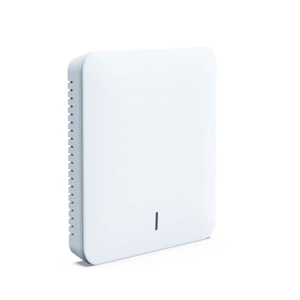
In water management systems using LoRaWAN, gateways are strategically installed to ensure optimal coverage and efficient data transmission from end devices. These gateways serve as the communication bridge between the LoRaWAN-enabled end devices and the network server. Typically, LoRaWAN gateways are installed at elevated locations, such as on water towers, rooftops, or utility poles, to maximize their range and minimize signal interference. In urban settings, gateways may be mounted on high-rise buildings or existing communication infrastructure to cover a large area effectively.
In rural or remote water management applications, gateways may be installed on dedicated poles or other elevated structures to ensure uninterrupted communication with end devices spread across vast areas, such as agricultural fields or reservoirs. The number and placement of these gateways depend on the geographic area, the density of end devices, and the specific requirements of the water management system. Proper installation of LoRaWAN gateways is critical to ensuring seamless data flow from distributed sensors and meters, enabling real-time monitoring and efficient water resource management.
Cloud Systems
The Inventory Master LoRaWAN Cloud Systems consist of the following parts:
The Inventory Master LoRaWAN Gateways and End Devices
- LORAWAN
- LoRaWAN Gateways
- LoRaWAN End Devices
- LoRaWAN Accessories
- LoRaWAN – Cloud, Server, PC & Mobile Systems
- LoRaWAN Resources
- LoRaWAN Systems
The Inventory Master LoRaWAN Cloud Services Engine
Cloud Infrastructure, LoRaWAN Middleware, Data Analytics and Business Intelligence, and Security Measures.
Integration APIs
APIs enable seamless integration between the LoRaWAN solution and existing water management systems such as POS, inventory management, and e-commerce platforms, allowing for data exchange and synchronization.
Server, PC & Mobile Systems
The Inventory Master Server, PC & Mobile LoRaWAN Systems are composed of
LoRaWAN Gateways and LoRaWAN End Devices
The Inventory Master Server, PC & Mobile Software Engine LoRaWAN
Servers, PCs, Mobile Computing Devices and Infrastructure, Middleware Software, and Database Management System.
Integration with Water Management Systems
The server, PC, and mobile solution integrates with existing water management systems such as inventory management, asset management, point-of-sale (POS), and enterprise resource planning (ERP) systems. Integration is achieved through APIs, database connections, or middleware adapters, enabling seamless data exchange and synchronization.