Overview of Weather Monitoring Using LoRaWAN
Weather monitoring using LoRaWAN technology provides a powerful solution for real-time, long-range data collection from remote weather stations. LoRaWAN’s low-power, wide-area network (LPWAN) capabilities enable sensors to transmit data over vast distances, making it ideal for monitoring in rural or hard-to-reach locations. This technology supports a variety of weather sensors, including those measuring temperature, humidity, atmospheric pressure, wind speed, and rainfall. The data collected is transmitted to a central server, where it can be analysed and used for weather forecasting, climate studies, and disaster preparedness. The scalability of LoRaWAN allows for the deployment of large networks of weather stations with minimal infrastructure, reducing costs and maintenance efforts. Moreover, LoRaWAN’s robust connectivity ensures reliable data transmission even in challenging environmental conditions. By leveraging LoRaWAN, weather monitoring systems can provide continuous, accurate data that supports decision-making in agriculture, disaster management, and environmental protection. This approach not only enhances the quality of weather data but also contributes to sustainable resource management and community safety.
Applications in Weather Monitoring Using LoRaWAN
- Temperature Monitoring
- Humidity Tracking
- Atmospheric Pressure Measurement
- Rainfall Detection
- Wind Speed and Direction Monitoring
- Snowfall Measurement
- Soil Moisture Monitoring
- Frost Detection
- Air Quality Monitoring
- UV Radiation Measurement
- Lightning Detection
- River Level Monitoring
- Flood Risk Assessment
- Avalanche Risk Monitoring
- Drought Monitoring
- Coastal Erosion Monitoring
- Solar Radiation Measurement
- Forest Fire Detection
- Storm Surge Monitoring
- Heatwave Detection
- Oceanographic Monitoring
- Urban Microclimate Monitoring
- Landslide Detection
- Pollutant Dispersion Tracking
- Crop Health Monitoring
- Road Condition Monitoring
- Fog Detection
- Lake and Reservoir Level Monitoring
- Ice Formation Detection
- Environmental Impact Assessment
Technical Specifications of The Inventory Master Weather Monitoring Using LoRaWAN
LoRaWAN end devices in Weather Monitoring systems
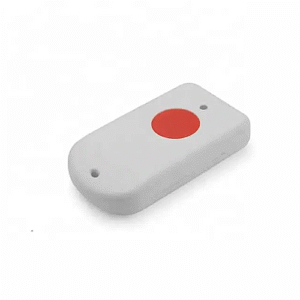
In weather monitoring systems, LoRaWAN end devices enable efficient and reliable data collection from remote sensors. These end devices, often equipped with various sensors like temperature, humidity, pressure, and wind speed detectors, gather real-time environmental data and transmit it over long distances to centralized gateways. The low-power consumption of LoRaWAN end devices ensures that they can operate for extended periods on battery power, making them ideal for deployment in remote or difficult-to-access locations where regular maintenance is challenging. This capability is particularly beneficial for monitoring weather conditions in rural areas, mountainous regions, or offshore environments, where traditional communication networks may not be available or reliable.
The scalability of LoRaWAN technology allows weather monitoring systems to deploy large networks of end devices, covering vast geographic areas with minimal infrastructure. Each end device can be programmed to send data at specific intervals, ensuring that the collected information is up-to-date and relevant. These devices can also be configured to trigger alerts based on predefined thresholds, such as sudden drops in temperature or rapid increases in wind speed, providing early warnings for potential weather hazards. The robustness of LoRaWAN connectivity means that even in challenging environmental conditions, data transmission remains consistent and accurate, supporting critical decision-making processes in weather forecasting, disaster management, and environmental protection.
LoRaWAN end devices contribute to the cost-effectiveness of weather monitoring systems. By reducing the need for extensive cabling, power supply infrastructure, and frequent maintenance, these devices lower the overall operational costs of monitoring networks. This cost efficiency, combined with the reliability and scalability of LoRaWAN technology, makes it a preferred choice for governments, research institutions, and private organizations involved in weather monitoring and environmental studies. As a result, LoRaWAN end devices are driving innovation in how we observe and respond to weather patterns, ultimately enhancing our ability to predict and mitigate the impacts of severe weather events.
LoRaWAN Gateways in Weather Monitoring Systems
LoRaWAN gateways are integral components in weather monitoring systems, acting as the bridge between end devices and central servers. These gateways receive data transmitted from various LoRaWAN end devices deployed in the field, such as temperature, humidity, wind speed, and rainfall sensors, and forward this data to cloud-based servers or local data centres for analysis. The long-range communication capabilities of LoRaWAN gateways allow them to cover extensive areas, making it possible to collect weather data from multiple remote locations simultaneously. This feature is particularly advantageous in regions where traditional communication infrastructure is limited or non-existent, such as rural areas, mountains, or coastal regions.
The ability of LoRaWAN gateways to manage large networks of end devices without significant interference or data loss is crucial for the reliability of weather monitoring systems. They can handle data from thousands of sensors, ensuring that comprehensive environmental data is gathered continuously and transmitted efficiently. LoRaWAN gateways also support adaptive data rates, which optimize communication between end devices and gateways based on distance and environmental factors, ensuring the most reliable and energy-efficient transmission possible. This adaptability enhances the overall performance of weather monitoring networks, providing consistent and accurate data collection even in diverse and challenging environments.
In addition to their communication capabilities, LoRaWAN gateways contribute to the cost-effectiveness and scalability of weather monitoring solutions. By reducing the need for multiple communication towers or expensive satellite connections, these gateways lower the deployment and maintenance costs of weather monitoring networks. This affordability, combined with the flexibility to expand the network by simply adding more end devices, makes LoRaWAN gateways an attractive option for large-scale weather monitoring projects. Governments, environmental agencies, and private companies can leverage these gateways to build robust, scalable, and cost-efficient weather monitoring systems that deliver reliable data for forecasting, disaster management, and environmental research.
Cloud Systems
The Inventory Master LoRaWAN Cloud Systems consist of the following parts:
The Inventory Master LoRaWAN gateways and end devices
- LORAWAN
- LoRaWAN Gateways
- LoRaWAN End Devices
- LoRaWAN Accessories
- LoRaWAN – Cloud, Server, PC & Mobile Systems
- LoRaWAN Resources
- LoRaWAN Systems
The Inventory Master LoRaWAN Cloud Services Engine
Cloud Infrastructure, LoRaWAN Middleware, Data Analytics and Business Intelligence, and Security Measures.
Integration APIs
APIs enable seamless integration between the LoRaWAN solution and existing weather monitoring systems such as POS, inventory management, and e-commerce platforms, allowing for data exchange and synchronization.
Server, PC & Mobile Systems
The Inventory Master Server, PC & Mobile LoRaWAN Systems are composed of
LoRaWAN Gateways, and LoRaWAN End Devices
The Inventory Master Server, PC & Mobile Software Engine LoRaWAN
Servers, PCs, Mobile Computing Devices and Infrastructure, Middleware Software, and Database Management System.
Integration with Weather Monitoring Systems
The server, PC and mobile solution integrates with existing weather monitoring systems such as inventory management, asset management, point-of-sale (POS), and enterprise resource planning (ERP) systems. Integration is achieved through APIs, database connections, or middleware adapters, enabling seamless data exchange and synchronization.