
Technical Architecture of LoRaWAN Enabled Logistics 4.0 System
The LoRaWAN Enabled Logistics 4.0 System is designed to provide end-to-end visibility and real-time tracking of goods throughout the supply chain. At its core, it uses LoRaWAN technology to transmit data over long distances with low power consumption, connecting various IoT-enabled devices across the logistics infrastructure.
The architecture consists of the following key components:
- IoT Sensors and Tags – These devices are attached to goods, containers, and pallets. They monitor factors such as location, temperature, humidity, and condition of items in transit.
- LoRaWAN Gateways – These gateways receive data from the IoT devices and relay it to the centralized server via the LoRaWAN network.
- Data Transmission Layer – The LoRaWAN protocol ensures secure, long-range data transmission with minimal power consumption.
- Data Processing Layer – The collected data is processed either locally or via cloud-based analytics platforms to generate actionable insights.
- Centralized Server/Cloud – Data storage and management occur here, enabling real-time tracking, predictive analytics, and reporting.
- User Interface (UI) – A dashboard for logistics managers and operators to monitor shipments, track fleet performance, and receive alerts for any deviations or issues.
The Inventory Master’s LoRaWAN Enabled Logistics 4.0 System empowers businesses to streamline their operations and ensure that supply chain processes are optimized with real-time insights.
List of Hardware for LoRaWAN Enabled Logistics 4.0 System
- IoT Sensors – Devices for tracking goods, containers, and pallets; capable of monitoring location, temperature, humidity, and other environmental factors.
- LoRaWAN Gateways – Devices that communicate with IoT sensors and transmit data to the central server or cloud system.
- Smart Labels and Tags – RFID-enabled labels and tags to track the condition and location of goods in real-time.
- Edge Computing Devices – Local processing units for data aggregation and preliminary analysis at the site of operation, reducing latency.
- Base Stations – Fixed installations used to relay information between IoT sensors and network gateways in expansive logistics environments.
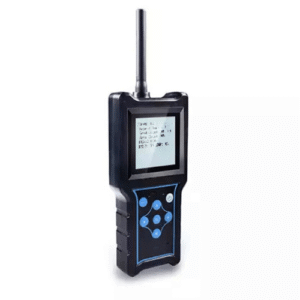
- Mobile Tracking Devices – Used for tracking goods in transit via handheld devices or vehicle-mounted units.
- Power Supply Units – Energy-efficient power management systems ensuring continuous operation of IoT devices in remote areas.
The Inventory Master provides these hardware components that form the foundation of a robust logistics management system, enhancing operational efficiency and reducing costs.
Physical Placement Considerations of the Hardware
Proper placement of hardware in the LoRaWAN Enabled Logistics 4.0 System is critical for maximizing performance and ensuring seamless data collection. Key considerations include:
- IoT Sensors: These should be strategically placed on goods, pallets, or shipping containers to ensure real-time data capture during transit and storage. The placement must be accessible to LoRaWAN gateways for reliable signal transmission.
- Gateways: Gateways should be located in areas with minimal interference and maximum coverage for the sensors. Placing them at high points, such as warehouse ceilings or on top of transportation vehicles, will improve signal range and coverage.
- Base Stations: These should be placed in key operational hubs, such as distribution centres or warehouses, ensuring they can cover large operational areas effectively.
- Edge Devices: In scenarios requiring real-time data processing, edge devices should be installed in close proximity to the IoT sensors or the logistical operations to minimize latency.
- Power Sources: Since many devices may be deployed in remote locations, ensuring easy access to reliable power supplies or using long-lasting batteries for sensors is essential.
The Inventory Master ensures the ideal configuration and placement of these components to optimize your logistics system for maximum performance.
Hardware Architecture of LoRaWAN Enabled Logistics 4.0 System
The hardware architecture of the LoRaWAN Enabled Logistics 4.0 System is built on several interconnected layers:
- End Devices: These include IoT sensors, RFID tags, and smart labels that monitor critical factors such as temperature, location, and condition of goods in transit.
- Gateways: These devices serve as communication hubs, receiving data from IoT devices and transmitting it to the central server or cloud platform via the LoRaWAN protocol.
- Cloud or Local Servers: The cloud or local server acts as the centralized data repository, where all the transmitted data is stored, processed, and analysed.
- Edge Devices: Local devices designed to perform real-time analytics and pre-processing of data before sending it to the cloud, reducing the load on the cloud server and enabling faster decision-making.
- User Interface: Logistics managers can access real-time data through a user-friendly dashboard that allows them to track the status of shipments, fleet performance, and inventory.
This architecture ensures the continuous flow of information from the logistics floor to the centralized data systems for accurate and timely decision-making.
Deployment Considerations of LoRaWAN Enabled Logistics 4.0 System
When deploying the LoRaWAN Enabled Logistics 4.0 System, several factors must be taken into account for optimal performance:
- Network Coverage: Ensuring that LoRaWAN gateways are installed in appropriate locations with proper coverage to connect all devices, especially in large-scale logistics environments.
- Scalability: The system should be designed to scale with growing operations. As the number of goods and assets being tracked increases, the system should support additional sensors, gateways, and data processing units without significant upgrades.
- Data Security: Security measures, including encryption and secure data transmission protocols, should be implemented to protect sensitive logistical information.
- Device Compatibility: Hardware must be compatible with various logistics infrastructure, including warehouses, vehicles, and shipping containers.
- Maintenance: Devices should be easy to maintain, with the ability to troubleshoot remotely and replace or upgrade hardware without interrupting operations.
The Inventory Master works closely with clients to ensure that all these deployment considerations are met, ensuring seamless implementation.
List of Relevant Industry Standards and Regulations
- ISO 9001: Quality Management Systems
- ISO 14001: Environmental Management Systems
- ISO/IEC 27001: Information Security Management
- ANSI/ITSDF B56.1: Safety Standard for Industrial Trucks
- CE Marking: Conformity with European Health, Safety, and Environmental Protection Standards
- RoHS: Restriction of Hazardous Substances
- FCC Part 15: Radio Frequency Devices
Local Server Version: Running with a Local Server
In some logistics environments, data privacy or latency concerns may require a local server version of the LoRaWAN Enabled Logistics 4.0 System. A local server configuration allows for the processing and storage of data on-site, ensuring minimal reliance on external cloud infrastructure.
Key benefits of a local server version include:
- Data Privacy: Sensitive data remains within the organization’s control, ensuring full compliance with local data protection regulations.
- Reduced Latency: Real-time data processing with minimal delay, crucial for operational efficiency in fast-paced logistics environments.
- Customization: Tailored deployment for specific operational needs, with flexibility to adjust system parameters as necessary.
The Inventory Master provides support in setting up a robust local server environment tailored to your logistical requirements.
Cloud Integration and Data Management
LoRaWAN Enabled Logistics 4.0 System can be seamlessly integrated with cloud-based platforms for enhanced data management, storage, and processing. The cloud infrastructure allows businesses to access a centralized dashboard where data from multiple locations can be aggregated, analysed, and acted upon in real-time.
Benefits of cloud integration:
- Centralized Data: Real-time data from various logistics operations is collected and stored in the cloud for easy access and reporting.
- Predictive Analytics: Advanced analytics capabilities in the cloud allow for predictive insights into inventory management, supply chain optimization, and equipment maintenance.
- Scalability: The cloud system scales with your growing logistics needs, supporting additional devices, sensors, and data storage without requiring significant hardware investments.
At The Inventory Master, we ensure that your logistics system is integrated with the cloud to provide reliable, efficient, and actionable insights across the supply chain.
The Inventory Master Case Studies of LoRaWAN Enabled Logistics 4.0 System
USA Case Studies
- New York, NY
A leading logistics company in New York implemented a LoRaWAN Enabled Logistics 4.0 System to improve real-time inventory tracking. Using IoT sensors attached to goods and vehicles, the company achieved full visibility of its operations. This reduced manual checks, increased efficiency, and enhanced decision-making, ultimately streamlining supply chain operations across multiple warehouses.
- Chicago, IL
In Chicago, a distribution center used a LoRaWAN Enabled Logistics 4.0 System to monitor shipment conditions in real-time. The system provided vital data on temperature and humidity for perishable goods. By integrating this data with the cloud, the company improved delivery times and ensured the quality of products during transportation, reducing spoilage and waste.
- Los Angeles, CA
A logistics firm in Los Angeles utilized LoRaWAN technology to track assets across multiple locations in the city. By deploying real-time location trackers, the company improved route planning, minimized delays, and enhanced fleet management. This system also allowed for proactive maintenance by monitoring vehicle health data.
- Dallas, TX
In Dallas, a supply chain operator leveraged LoRaWAN Enabled Logistics 4.0 System for cargo tracking. Using advanced sensors and IoT tags, the company ensured more accurate delivery times and improved the safety of valuable goods during transit. The cloud integration enabled the logistics team to access performance data remotely, optimizing fleet utilization.
- Miami, FL
A major shipping company in Miami integrated the LoRaWAN Enabled Logistics 4.0 System into their operations for real-time vehicle tracking and cargo condition monitoring. With the system in place, they enhanced shipment visibility, reduced bottlenecks, and could handle last-minute changes to delivery routes more effectively.
- Atlanta, GA
In Atlanta, GA, a leading logistics provider improved their warehouse efficiency by incorporating the LoRaWAN Enabled Logistics 4.0 System. The system enabled real-time inventory tracking and condition monitoring of sensitive goods. Automated notifications allowed for faster decision-making, reducing errors and improving customer satisfaction.
- San Francisco, CA
A major logistics company in San Francisco adopted LoRaWAN technology for improved fleet management and asset tracking. With the integration of sensors on vehicles and cargo, they achieved greater transparency in their supply chain operations. This system also provided data-driven insights for better route optimization.
- Seattle, WA
In Seattle, a tech firm specializing in logistics solutions utilized the LoRaWAN Enabled Logistics 4.0 System for smart fleet management. With IoT sensors, the company gained better insights into vehicle performance and cargo conditions, which led to a reduction in vehicle downtime and enhanced delivery reliability.
- Phoenix, AZ
A transportation company in Phoenix employed a LoRaWAN Enabled Logistics 4.0 System for tracking high-value goods in real time. By integrating IoT-enabled sensors on containers, the company significantly reduced theft and loss, while providing more accurate delivery schedules to customers.
- Boston, MA
A logistics provider in Boston utilized LoRaWAN technology for temperature-sensitive medical deliveries. By monitoring conditions in real time, they ensured that critical pharmaceuticals arrived safely, while minimizing potential delays. The system also helped optimize routes based on real-time data from trucks and shipments.
- Washington, D.C.
A government contractor in Washington, D.C. implemented the LoRaWAN Enabled Logistics 4.0 System to improve the tracking of military supplies. With GPS tracking and environmental monitoring sensors, the system provided real-time visibility into supply deliveries, optimizing logistical operations and enhancing security protocols.
- Denver, CO
In Denver, a retail supply chain company incorporated LoRaWAN-enabled logistics to monitor goods during their journey from warehouses to retail locations. By leveraging IoT sensors for real-time tracking, the company improved efficiency, reducing delays and providing customers with more accurate delivery windows.
- Minneapolis, MN
A Minneapolis-based logistics firm adopted the LoRaWAN Enabled Logistics 4.0 System to streamline their intermodal transportation network. The system provided end-to-end visibility from container to truck, improving the accuracy of cargo delivery schedules and reducing idle time.
- Houston, TX
A logistics and supply chain company in Houston implemented the LoRaWAN Enabled Logistics 4.0 System to track shipments in real-time across multiple states. This system not only optimized route planning but also integrated environmental sensors to monitor the condition of perishable goods, enhancing supply chain efficiency.
- Orlando, FL
In Orlando, FL, a large distribution company deployed the LoRaWAN Enabled Logistics 4.0 System to enhance its inventory management. By using IoT sensors across warehouses, the system helped automate stock tracking and reduced errors in shipment handling, ultimately improving overall warehouse efficiency.
Canada Case Studies
- Toronto, ON
A logistics provider in Toronto used the LoRaWAN Enabled Logistics 4.0 System to track the location and condition of sensitive goods in transit. This system enabled more efficient management of warehouse operations and real-time monitoring of shipments, improving delivery times and reducing losses.
- Vancouver, BC
In Vancouver, a shipping company adopted LoRaWAN-enabled logistics for fleet tracking and operational optimization. By integrating sensors on vehicles and shipments, the system provided real-time visibility, helping the company improve both route planning and fuel efficiency, while enhancing delivery accuracy.
The Inventory Master’s LoRaWAN Enabled Logistics 4.0 System plays a pivotal role in transforming logistics management across multiple industries. Through strategic use of IoT and cloud integration, we help clients optimize their supply chains, ensuring timely and secure deliveries, real-time tracking, and actionable insights. Our team is ready to provide you with customized solutions, backed by over four decades of expertise and support.
Navigation Menu for LoRaWAN
Navigation Menu for IoT
- LORAWAN
- ZIGBEE
- Wi-Fi HaLow
- Z-WAVE
- BLE & RFID
- NB-IOT
- CELLULAR IOT
- GPS IOT
- IOT SENSORS
- EDGE COMPUTING
- IOT SYSTEMS
Our products are in stock and can be shipped anywhere in the continental U.S. or Canada from our local warehouse. For any further information, please fill out this form or email us.
We are actively looking for partners who are like us located in the U.S. and Canada. For more information on partnering with The Inventory Master, please visit Partner with The Inventory Master Inc. It lists various ways to partner with The Inventory Master, such as OEM Partnerships, Technology Integration, Distribution and Reselling Opportunities, Presenting at the Leading Event Tek Summit, Joint R&D Projects, Training and Consulting Services, Industry-Specific Collaborations, Research and Academic Partnerships.



Reviews
There are no reviews yet.