
Technical Architecture of the LoRaWAN Enabled Smart Waste Management System
The architecture of our LoRaWAN Enabled Smart Waste Management System includes the following main components:
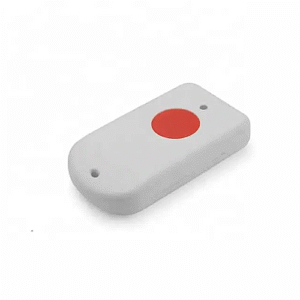
- IoT Sensors: These sensors are placed within waste bins or containers to monitor parameters such as waste fill levels, temperature, and potential odours. These sensors send data via LoRaWAN to a central gateway for analysis.
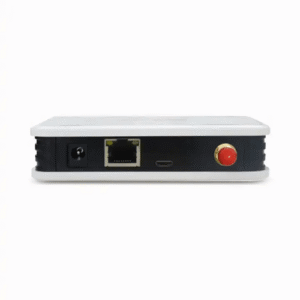
- LoRaWAN Gateway: The gateway collects data from various IoT sensors deployed in the field and transmits it to the cloud or a local server. It ensures that data is transmitted securely and efficiently using LoRaWAN’s long-range, low-power communication protocol.
- Local Server or Cloud Platform: Data received from the gateways is either stored and processed on a local server or transmitted to the cloud for further processing and analytics. The cloud platform allows for remote access, real-time monitoring, and reporting.
- Data Analytics Engine: This component processes the incoming data to generate actionable insights, such as waste collection scheduling, efficiency analysis, and environmental monitoring.
- User Interface: The user interface (UI) can be accessed through web or mobile applications, allowing waste management teams to track waste levels, optimize collection routes, and ensure system efficiency.
List of Hardware of the LoRaWAN Enabled Smart Waste Management System
- LoRaWAN-enabled Waste Sensors: Embedded in waste bins for monitoring fill levels, weight, and environmental factors.
- LoRaWAN Gateway: Used to receive data from sensors and relay it to a local server or the cloud.
- Local Servers: Hosts data collected from the gateways for on-site processing and analysis.
- Cloud Servers: For remote data management, cloud-based analytics, and reporting.
- Mobile and Web Interfaces: User applications for accessing system data, waste management reports, and control functions.
- Power Supplies: Solar panels or rechargeable batteries to power sensors and gateways in outdoor environments.
Physical Placement Considerations of the Hardware
- Waste Sensors: These sensors are typically installed inside waste bins, dumpsters, or containers. Placement is crucial to ensure they accurately measure fill levels and environmental factors. The devices must be robust enough to withstand various weather conditions and frequent handling.
- Gateways: LoRaWAN gateways should be placed in central locations where they can provide maximum coverage to all waste bins within their range. Consideration should be given to minimizing obstructions and interference to ensure reliable communication between sensors and the gateway.
- Powering Devices: For outdoor deployments, solar power is commonly used to power both sensors and gateways. Ensure that there is enough sunlight exposure for optimal charging and battery life.
- User Interfaces: These can be accessed remotely through mobile or web apps. Ensure network connectivity is available for seamless access to data and control of the system.
Hardware Architecture of the LoRaWAN Enabled Smart Waste Management System
The hardware architecture for the LoRaWAN Enabled Smart Waste Management System consists of the following key components:
- Sensors: These are responsible for gathering data on the fill level, temperature, weight, and odour of waste bins. The sensors use low-power LoRaWAN technology to transmit data wirelessly.
- LoRaWAN Gateway: It serves as the communication bridge between the sensors and the server (local or cloud-based). The gateway aggregates data from multiple sensors and forwards it to the processing system.
- Server Infrastructure: The system can run on a local server or in the cloud. Data collected by the sensors is sent to the server where it can be analysed and processed.
- Data Analytics and Visualization Tools: These tools transform collected data into actionable insights and display the information on the user interface (either a web or mobile app).
- Power Management: Both the sensors and gateways rely on reliable power sources such as solar panels or batteries, designed for longevity and minimal maintenance.
Deployment Considerations for the LoRaWAN Enabled Smart Waste Management System
- Coverage Area: When planning deployment, it is essential to assess the area where the system will be implemented. The range of LoRaWAN gateways should be considered to ensure that all waste bins are within communication range. Multiple gateways might be required for large areas.
- Sensor Placement: Careful consideration must be given to where sensors are installed. They should be placed in locations that allow them to monitor waste fill levels accurately, avoiding obstructions or interference from nearby structures.
- Network Capacity: Ensure that the network infrastructure can handle the volume of data generated by the sensors. A robust network is needed to ensure reliable data transmission and communication between all components.
- Scalability: The system should be scalable, allowing for the addition of more sensors and gateways as the waste management infrastructure expands or grows in complexity.
- Maintenance and Monitoring: The system requires minimal maintenance, but periodic checks of sensor health, gateway connectivity, and power sources should be part of the deployment plan.
List of Relevant Industry Standards and Regulations
- ISO 50001: Energy Management Systems
- ISO 14001: Environmental Management Systems
- EN 45501: Weighing and measuring instruments
- IEC 61508: Functional safety
- GDPR: General Data Protection Regulation (for European Union-based deployments)
- FCC Regulations (U.S. LoRaWAN devices)
- National Electrical Code (NEC) for wiring and electrical installations
Local Server Version
The LoRaWAN Enabled Smart Waste Management System can be deployed on a local server for clients who prefer to keep their data on-site. This version allows for:
- Data storage and processing locally: Ensures that all data from waste sensors is stored and analysed on the premises, providing faster access and control.
- Integration with local infrastructure: Seamlessly integrates with existing IT infrastructure for waste management.
- Reduced dependency on cloud services: Offers more control over data security and privacy.
Cloud Integration and Data Management
For clients who prefer a cloud-based solution, The Inventory Master Inc. offers cloud integration capabilities that allow for:
- Real-time data access: Waste data can be accessed remotely from anywhere via secure cloud platforms, making it easier for municipalities and waste management companies to monitor and manage their operations.
- Data analytics and reporting: Cloud-based analytics can help identify trends, optimize waste collection schedules, and improve operational efficiency.
- Scalable infrastructure: Cloud platforms offer scalability to handle data from a large number of sensors deployed across multiple locations.
- Data security and backup: Cloud solutions include robust security protocols and automated backups, ensuring that critical data is protected.
At The Inventory Master Inc., we pride ourselves on our ability to deliver cutting-edge solutions for waste management. With our LoRaWAN Enabled Smart Waste Management System, we help municipalities, waste management companies, and organizations optimize their waste collection processes, reduce costs, and improve sustainability efforts. With decades of experience in the field, The Inventory Master is a trusted partner for innovation and expertise in IoT-based systems.
The Inventory Master Case Studies of LoRaWAN Enabled Smart Waste Management System
USA Case Studies
- New York City, New York
In New York City, our smart waste management solution was deployed to monitor waste bins across key urban locations. Sensors track fill levels and provide real-time data to optimize waste collection routes, reducing traffic congestion and minimizing fuel consumption.
- Los Angeles, California
In Los Angeles, the implementation of our system allowed city officials to accurately measure waste levels across multiple districts. The data helped streamline collection schedules, reduce unnecessary pickups, and improve overall efficiency for a cleaner urban environment.
- Chicago, Illinois
The smart waste management system in Chicago was deployed in both residential and commercial areas. By using sensors and gateways, the city improved waste tracking, enabling a more sustainable and effective waste management program while lowering operational costs.
- San Francisco, California
In San Francisco, our system was integrated into the city’s green waste program. Real-time data collected from smart sensors helped increase recycling rates by ensuring that bins were collected only when full, reducing waste and supporting environmental goals.
- Austin, Texas
Austin utilized our system to enhance its waste diversion efforts. The sensors placed in large public bins helped track waste generation patterns, facilitating better planning for recycling programs and helping the city achieve its waste reduction goals.
- Seattle, Washington
Seattle deployed our solution to monitor waste levels across public parks and streets. The system optimized waste collection schedules and reduced the frequency of pickups, resulting in better resource allocation and cost savings for the local government.
- Miami, Florida
Miami implemented the smart waste management system to monitor waste bins in high-traffic areas. This helped improve the cleanliness of tourist spots and reduced the environmental impact of frequent waste pickups, ultimately leading to more efficient waste management.
- Boston, Massachusetts
In Boston, our solution was used to enhance waste collection in the downtown area. The system’s real-time reporting helped the city monitor waste bin levels and optimize collection routes, ensuring faster and more efficient waste removal.
- Dallas, Texas
In Dallas, waste bins in residential neighbourhoods were equipped with smart sensors. The data collected enabled the city to adjust collection schedules based on real-time fill levels, reducing labour costs and ensuring that the bins were emptied only when necessary.
- Phoenix, Arizona
Phoenix deployed the LoRaWAN Enabled Smart Waste Management System to monitor waste in municipal areas. The system provided valuable insights into waste production trends, which helped the city plan better for its waste management strategies.
- Washington, D.C.
In Washington, D.C., our system was used to monitor waste bins in both commercial and governmental buildings. This improved the efficiency of waste collection services and contributed to achieving the city’s sustainability targets.
- Denver, Colorado
Denver utilized our system to enhance its waste management across multiple districts. The data from smart sensors was analysed to adjust collection schedules and optimize fleet routes, contributing to reduced operational costs and environmental impact.
- Portland, Oregon
Portland deployed our waste management solution to streamline its waste collection process in public areas. The system provided real-time updates on bin fill levels, allowing the city to adjust pickups and reduce unnecessary routes, promoting both cost and environmental savings.
- Philadelphia, Pennsylvania
Our system was implemented across several Philadelphia neighbourhoods to monitor waste bins. The data gathered enabled better scheduling of waste collection services, reducing vehicle emissions and improving the overall effectiveness of the waste management system.
- Orlando, Florida
In Orlando, Florida, the integration of smart waste bins in tourist-heavy zones allowed for real-time waste tracking, ensuring that bins were not overfilled and optimizing waste pickup schedules for improved operational efficiency.
Canada Case Studies
- Toronto, Ontario
In Toronto, our LoRaWAN Enabled Smart Waste Management System was deployed across municipal waste bins to monitor fill levels and optimize collection routes. This led to a reduction in fuel consumption and overall improvement in the city’s waste management process.
- Vancouver, British Columbia
Vancouver implemented our system across key residential and commercial areas. The real-time data provided by sensors helped streamline waste collection, improve sustainability efforts, and support the city’s long-term environmental goals by minimizing waste-related carbon emissions.
Navigation Menu for LoRaWAN
Navigation Menu for IoT
- LORAWAN
- ZIGBEE
- Wi-Fi HaLow
- Z-WAVE
- BLE & RFID
- NB-IOT
- CELLULAR IOT
- GPS IOT
- IOT SENSORS
- EDGE COMPUTING
- IOT SYSTEMS
Our products are in stock and can be shipped anywhere in the continental U.S. or Canada from our local warehouse. For any further information, please fill out this form or email us.
We are actively looking for partners who are like us located in the U.S. and Canada. For more information on partnering with The Inventory Master, please visit Partner with The Inventory Master Inc. It lists various ways to partner with The Inventory Master, such as OEM Partnerships, Technology Integration, Distribution and Reselling Opportunities, Presenting at the Leading Event Tek Summit, Joint R&D Projects, Training and Consulting Services, Industry-Specific Collaborations, Research and Academic Partnerships.

Reviews
There are no reviews yet.