
Technical Architecture
The NB-IoT Enabled Educational IoT (EdTech IoT) System is designed to enhance educational environments with advanced technologies that improve both learning experiences and operational efficiency. The architecture of the system is divided into three main layers:
- Device Layer: This includes various IoT-enabled devices such as smart classroom tools, interactive whiteboards, student and teacher wearables, environmental sensors, and smart IDs for attendance tracking. These devices are powered by NB-IoT modules, enabling low-power, wide-area communication over the cellular network.
- Connectivity Layer: The NB-IoT network provides the infrastructure for connecting all devices. This ensures reliable, secure, and scalable communication, even in environments where traditional Wi-Fi may be unreliable. The system supports real-time data transmission, facilitating seamless integration between devices and the cloud or local servers.
- Data Management Layer: The collected data is sent to a central server (either on-premise or in the cloud) for processing, storage, and analysis. This data is used for student monitoring, resource management, and operational analytics, providing valuable insights for educators and administrators.
This layered architecture is designed to be both flexible and scalable, supporting various educational institutions, from K-12 schools to universities.
Hardware of the NB-IoT Enabled Educational IoT (EdTech IoT) System
The NB-IoT Enabled Educational IoT (EdTech IoT) System includes the following hardware components:
- Smart Classroom Devices: Includes smart whiteboards, projectors, and interactive learning tools that engage students and help instructors create dynamic learning experiences.
- Wearable Devices: These include wristbands or badges that track student attendance, health data, and other biometric information, integrating into the broader system.
- Environmental Sensors: Sensors such as temperature, humidity, and air quality sensors monitor classroom environments, ensuring that conditions are optimal for learning.
- Student and Teacher Identification: Smart ID systems provide real-time tracking of student attendance and teacher presence in the classroom.
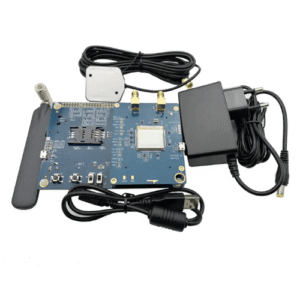
- NB-IoT Modules: Embedded into the various devices, these modules ensure secure and efficient communication over the NB-IoT network.
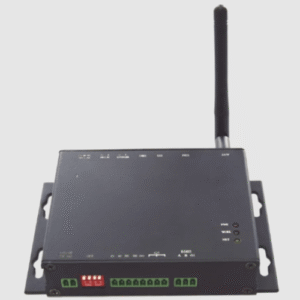
- Gateways: Used in areas with poor NB-IoT coverage, gateways enable continuous data flow between devices and the central system.
- Cloud or Local Servers: These handle data storage, processing, and management, offering both cloud-based and on-premise solutions depending on institutional needs.
Physical Placement Considerations
To ensure the NB-IoT Enabled Educational IoT (EdTech IoT) System performs optimally, physical placement of the hardware is critical:
- Devices: Smart classroom devices like interactive whiteboards and projectors should be placed in central locations for maximum visibility and accessibility.
- Sensors: Environmental sensors should be distributed throughout classrooms and lecture halls to monitor air quality, temperature, and other critical factors.
- Wearables: Wearable devices for attendance and health tracking should be distributed to students and teachers. These may be used in various locations within the school or university campus.
- Gateways: Gateways should be placed strategically in areas with limited connectivity to ensure a stable network link between devices and the server or cloud platform.
- Power Supply: Many IoT devices in educational environments require constant power. It’s essential to ensure that devices are placed near power sources or are designed to support long battery life.
Hardware Architecture
The hardware architecture of the NB-IoT Enabled Educational IoT (EdTech IoT) System is designed to integrate seamlessly into existing educational infrastructure:
- IoT Devices: Devices such as interactive whiteboards, smart projectors, and wearables are deployed in classrooms and lecture halls to enhance learning and administrative efficiency.
- NB-IoT Modules: These communication modules enable secure data transmission from devices to central servers, ensuring connectivity over long distances and across the campus.
- Gateways: For areas where NB-IoT connectivity is weak, gateways ensure devices can communicate with the central server or cloud by forwarding data across the network.
- Edge and Central Servers: Data collected by devices is processed either locally or remotely. Servers manage, analyze, and store this data, allowing for centralized control and reporting.
- Security Infrastructure: The system includes hardware components that ensure secure data transmission and access control to protect sensitive educational information.
Deployment Considerations
When deploying the NB-IoT Enabled Educational IoT (EdTech IoT) System, several key considerations must be taken into account:
- Network Availability: Ensure that the NB-IoT network is available in the deployment area. If network coverage is lacking, use of gateways or alternative communication technologies may be required.
- Scalability: The system must be scalable to accommodate various sizes of educational institutions, from small classrooms to large campuses. Additional devices and sensors can be added as needed.
- Security: Given the sensitivity of student and faculty data, strict security measures, including encryption and secure authentication protocols, must be in place to protect the system.
- Redundancy: Backup systems should be considered to ensure that the educational environment remains functional in case of network or device failure. This can include local storage or redundant communication channels.
- Environment: The system should be deployed considering the specific needs of the educational environment, whether in primary schools, universities, or vocational institutions.
List of Relevant Industry Standards and Regulations
- ISO 9001:2015 – Quality management systems
- ISO/IEC 27001:2013 – Information security management
- IEEE 802.15.4 – Wireless personal area networks (WPAN)
- ITU-R M.1457 – Technical specifications for NB-IoT
- FERPA (Family Educational Rights and Privacy Act) – Privacy protection for student information
- GDPR (General Data Protection Regulation) – Data privacy regulations in the EU
- COPPA (Children’s Online Privacy Protection Act) – Protection for children’s data in educational settings
- ANSI/TIA-568-C – Commercial building telecommunications cabling
- NIST SP 800-53 – Security controls for federal information systems
Local Server Version
For educational institutions looking for more control over their data, a local server version of the NB-IoT Enabled Educational IoT (EdTech IoT) System is an ideal solution. Key benefits of this approach include:
- On-premise Control: Data is processed and stored locally, allowing institutions to retain full control over sensitive student and staff information.
- Reduced Latency: Data processing occurs onsite, ensuring minimal delay for real-time applications like attendance tracking and environmental monitoring.
- Security: Local servers offer enhanced security as data does not need to be transmitted to external cloud platforms, reducing the risk of data breaches.
- Cost Efficiency: Once installed, local servers do not incur ongoing cloud service fees, making it a more cost-effective option for institutions with existing IT infrastructure.
Cloud Integration and Data Management
For institutions preferring a more centralized solution, cloud integration offers a range of benefits:
- Scalable Storage: Cloud platforms provide nearly limitless storage, capable of handling the vast amounts of data generated by IoT devices across an entire campus.
- Remote Access: Educators and administrators can access data from anywhere, enabling remote monitoring and management of the educational environment.
- Advanced Analytics: Cloud platforms provide powerful tools for analyzing data collected from IoT devices, offering insights into student performance, classroom conditions, and operational efficiency.
- Seamless Integration: Cloud platforms can easily integrate with other educational systems, such as Learning Management Systems (LMS), for a more comprehensive and streamlined experience.
- Security and Compliance: Cloud providers designed for educational institutions meet high standards for data protection and compliance, ensuring that sensitive student data is handled responsibly and in accordance with regulations.
GAO Case Studies of NB-IoT Enabled Military and Defense IoT System
USA Case Studies
- Washington, D.C.
A defense network used NB-IoT sensors to monitor critical infrastructure in real time, ensuring enhanced security and rapid response capabilities against potential threats. - San Diego, California
An NB-IoT-enabled naval base project implemented autonomous surveillance systems to track maritime movements, reducing manual interventions and boosting operational efficiency. - Norfolk, Virginia
A fleet management solution for defense vehicles employed NB-IoT connectivity to monitor fuel consumption, maintenance needs, and mission-readiness in real-time. - Colorado Springs, Colorado
An aerospace defense initiative utilized NB-IoT technology to manage satellite data more effectively, improving communication and navigation systems. - Huntsville, Alabama
A missile defense system integrated NB-IoT sensors for monitoring and controlling interceptor launch platforms, ensuring precision and reliability. - Fort Worth, Texas
An aviation logistics project leveraged NB-IoT to streamline parts tracking and maintenance scheduling for military aircraft. - Dayton, Ohio
A defense base adopted NB-IoT-enabled monitoring systems to track environmental conditions in sensitive facilities, preventing equipment degradation. - Seattle, Washington
A coastal defense project employed NB-IoT devices to enhance underwater surveillance systems, detecting and analyzing potential threats in real-time. - Tampa, Florida
An advanced troop tracking solution used NB-IoT technology to monitor soldier positions during training exercises, ensuring safety and coordination. - Cheyenne, Wyoming
A missile silo management program deployed NB-IoT-based sensors to oversee maintenance and enhance situational awareness in high-security zones. - Anchorage, Alaska
A strategic deployment project integrated NB-IoT systems to monitor logistics in extreme weather conditions, ensuring mission readiness. - El Paso, Texas
A border security initiative utilized NB-IoT connectivity to improve real-time surveillance and communications for patrol units. - Honolulu, Hawaii
A naval fleet monitoring program adopted NB-IoT-enabled devices to track vessel performance and resource usage in open seas. - Augusta, Georgia
A cyber-defense training facility employed NB-IoT systems to simulate threat scenarios and enhance the preparedness of personnel. - Phoenix, Arizona
A desert combat readiness project implemented NB-IoT sensors to monitor vehicle operations and environmental challenges in rugged terrains.
Canada Case Studies
- Ottawa, Ontario
A national defense logistics center used NB-IoT-enabled systems to optimize the supply chain for military equipment, ensuring timely delivery and reduced operational downtime. - Halifax, Nova Scotia
A naval base adopted NB-IoT technology to enhance underwater drone surveillance, providing real-time data for maritime operations.
Navigation Menu for NB-IoT
Navigation Menu for IoT
Our products are in stock and can be shipped anywhere in the continental U.S. or Canada from our local warehouse. For any further information, please fill out this form or email us.
We are actively looking for partners who are like us located in the U.S. and Canada. For more information on partnering with GAO, please visit Partner with The Inventory Master Inc. It lists various ways to partner with GAO, such as OEM Partnerships, Technology Integration, Distribution and Reselling Opportunities, Presenting at the Leading Event Tek Summit, Joint R&D Projects, Training and Consulting Services, Industry-Specific Collaborations, Research and Academic Partnerships.


Reviews
There are no reviews yet.