
Inventory Sensors and Devices
Inventory sensors and devices form the physical sensing layer that captures environmental, mechanical, and operational signals from storage areas, warehouses, production facilities, and logistics infrastructure. These devices convert physical conditions such as movement, vibration, gas concentration, optical patterns, and acoustic signals into structured digital data that supports automated inventory tracking and asset condition awareness.
Sensor-driven monitoring plays a critical role in modern warehouse automation and asset monitoring frameworks. Devices installed across racks, pallets, containers, conveyors, and storage environments provide real-time visibility into stock movement, environmental safety conditions, and operational disruptions. Engineers and facility managers rely on this instrumentation layer to support predictive maintenance, safety compliance, and operational efficiency.
The Inventory Master has quickly established itself as a trusted leader in delivering advanced industrial monitoring technologies for asset tracking and intelligent inventory environments. With a growing B2B presence across North America, our focus on technology innovation, rigorous quality assurance processes, and expert technical guidance enables organizations to deploy reliable sensing infrastructure that improves operational transparency and inventory control.
Sensor systems designed by The Inventory Master enable organizations to monitor physical inventory environments through multiple sensing modalities that capture mechanical, chemical, and environmental changes across industrial facilities.
Key functions supported by inventory sensing devices include:
- Detecting material movement across storage racks, loading docks, and distribution areas using motion and optical sensing mechanisms.
- Monitoring vibration signatures from conveyor systems, automated storage equipment, and industrial storage machinery.
- Measuring gas concentration levels to identify hazardous leaks or ventilation issues within storage facilities.
- Tracking environmental chemical presence that may affect sensitive goods, pharmaceuticals, or hazardous materials.
- Detecting airflow patterns within storage areas to evaluate ventilation efficiency and environmental stability.
- Capturing acoustic signals that indicate equipment faults, structural anomalies, or abnormal operational noise.
- Supporting automated inventory verification by detecting object presence, movement direction, and quantity.
- Enabling condition monitoring of inventory infrastructure such as pallets, storage containers, and handling equipment.
- Providing real-time data streams that integrate with warehouse control systems and enterprise inventory platforms.
- Supporting predictive maintenance programs through early detection of mechanical stress or vibration irregularities.
These sensing technologies form a critical hardware layer for automated inventory monitoring environments used by warehouses, logistics centers, manufacturing plants, and industrial storage facilities.
Selection of sensor devices for industrial monitoring requires careful evaluation of measurement performance, environmental tolerance, communication compatibility, and long-term operational stability.
Important technical specifications include:
- Measurement range and sensitivity
Defines the operational limits within which sensors detect environmental or mechanical changes. - Accuracy and calibration stability
Determines how reliably a device maintains measurement precision over extended operational periods. - Sampling frequency
Influences how quickly sensors capture dynamic changes such as motion events or vibration fluctuations. - Environmental operating range
Specifies temperature, humidity, and contamination limits where sensors can operate reliably. - Power consumption profile
Important for battery-powered devices deployed across large warehouse or logistics infrastructures. - Sensor response time
Determines how quickly the system reacts to environmental or mechanical changes. - Communication interface compatibility
Includes support for industrial communication protocols used in automated inventory management systems. - Mechanical durability and ingress protection
Indicates device resistance to dust, moisture, vibration, and industrial handling. - Calibration requirements and maintenance intervals
Impacts operational maintenance schedules and lifecycle cost considerations.
Technical evaluation of these parameters helps procurement teams align instrumentation performance with operational requirements.
Flow Sensors for Storage Environment Monitoring
Flow sensors measure the movement of air or gases through ventilation systems, storage enclosures, and environmental control infrastructure. These instruments help facilities verify airflow consistency in temperature controlled warehouses and hazardous material storage environments.
Industrial storage areas frequently require controlled ventilation to maintain product stability and worker safety. Flow sensors provide data that supports ventilation performance monitoring and automated environmental regulation systems.
Sensors typically measure volumetric flow rate or velocity within ducts and ventilation channels. Output data integrates with building management systems or environmental monitoring platforms to ensure airflow remains within defined operational limits.
Organizations managing pharmaceuticals, chemicals, and temperature sensitive inventory rely on flow monitoring to maintain consistent storage conditions.
Gas Sensors for Hazard Detection and Safety Monitoring
Gas sensors detect the presence and concentration of industrial gases within storage environments. These devices help facilities identify hazardous leaks, combustion risks, and ventilation failures that could threaten personnel or stored materials.
Warehouses storing chemicals, fuels, or industrial materials frequently deploy gas detection systems to monitor compounds such as carbon monoxide, methane, ammonia, and volatile organic compounds.
Gas sensing technologies include electrochemical detection, infrared absorption measurement, and semiconductor-based sensing methods. Each approach provides specific advantages depending on the target gas and environmental conditions.
Reliable gas detection contributes to worker safety compliance and helps facilities prevent contamination or degradation of stored inventory.
Chemical Sensors for Material Exposure Detection
Chemical sensors monitor exposure to specific compounds that may affect product quality or facility safety. These devices detect trace concentrations of industrial chemicals that could influence stored materials or manufacturing inputs.
Facilities handling pharmaceuticals, food products, or chemical reagents often require continuous monitoring for airborne chemical contaminants.
Chemical sensing instruments measure compounds using techniques such as ion-selective electrodes, catalytic detection, and spectroscopic analysis. Data collected from these sensors helps operators identify contamination risks and maintain environmental quality.
These monitoring systems support quality assurance programs and regulatory compliance in industries where environmental purity directly affects product integrity.
Click here for Chemical Sensors
Motion Sensors for Inventory Movement Detection
Motion sensors detect physical movement within storage environments, enabling automated tracking of material handling activity and warehouse operations.
These devices identify movement patterns associated with forklifts, robotic picking systems, conveyor transfers, and manual handling processes. Motion detection supports operational analytics that evaluate warehouse efficiency and inventory flow.
Technologies used include passive infrared sensing, microwave motion detection, and ultrasonic movement analysis.
Motion sensing infrastructure also supports security monitoring, helping facilities detect unauthorized access to restricted inventory storage areas.
Vibration Sensors for Equipment and Infrastructure Monitoring
Vibration sensors monitor mechanical oscillations in equipment used within inventory environments such as conveyor belts, automated storage systems, and sorting machines.
These devices capture vibration signatures that indicate mechanical stress, misalignment, or bearing wear in industrial equipment. Maintenance teams analyze vibration data to detect faults before operational failure occurs.
Sensors commonly utilize piezoelectric accelerometers or MEMS-based motion sensing technology. Data collected from these instruments supports predictive maintenance programs that improve reliability of warehouse automation equipment.
Industrial operators often deploy vibration monitoring systems across conveyor networks and material handling infrastructure.
Click here for Vibration Sensors
Optical and Imaging Sensors for Inventory Identification
Optical and imaging sensors capture visual data that supports automated item identification and inventory verification.
These systems may use structured light, laser scanning, or camera-based imaging technologies to detect object presence, dimensions, and movement across storage systems.
Optical sensors enable automated stock counting, pallet identification, and package verification within distribution centers and manufacturing facilities.
Machine vision systems can analyze visual patterns to identify product labels, barcodes, or container positioning, allowing warehouse automation systems to track inventory without manual inspection.
Click here for Optical and Imaging Sensors
Acoustic Sensors for Operational Condition Monitoring
Acoustic sensors detect sound patterns produced by industrial equipment and operational activities within warehouse environments.
Changes in sound signatures can reveal mechanical faults, abnormal machine behavior, or structural anomalies within storage systems.
Acoustic monitoring systems analyze frequency patterns produced by conveyors, motors, compressors, and automated storage equipment. Engineers use this data to identify early indicators of equipment failure.
These sensors also support safety monitoring by detecting abnormal operational noise levels that may signal mechanical breakdown or structural instability.
Inventory sensing devices support a wide range of industrial monitoring applications across logistics and manufacturing environments.
Common industrial applications include:
- Monitoring warehouse inventory movement and material flow across automated storage and retrieval systems to maintain accurate stock visibility.
- Detecting mechanical stress and vibration anomalies within conveyor systems used in distribution and fulfillment centers.
- Identifying gas leaks in chemical storage facilities to support worker safety and environmental protection programs.
- Monitoring airflow conditions in temperature controlled warehouses storing pharmaceuticals, medical supplies, or perishable materials.
- Tracking motion patterns across warehouse zones to analyze material handling efficiency and equipment utilization.
- Monitoring chemical exposure risks in industrial storage areas containing sensitive materials or hazardous compounds.
- Detecting abnormal acoustic signals from warehouse machinery to identify potential mechanical failures.
- Supporting automated inventory verification using optical sensing technologies within high-volume logistics centers.
- Monitoring infrastructure stability in storage racks and heavy-duty shelving installations.
- Providing environmental data for safety compliance monitoring across industrial storage and distribution facilities.
Applicable regulatory frameworks include:
- OSHA Workplace Safety Standards
- ANSI Industrial Instrumentation Standards
- NIOSH Gas Detection Guidelines
- UL Industrial Sensor Equipment Certification
- FCC Equipment Authorization Regulations
- EPA Environmental Monitoring Regulations
- CSA Industrial Electrical Equipment Standards
- Environment and Climate Change Canada Monitoring Regulations
- NFPA Industrial Safety Codes
| Sensor Type | Primary Measurement | Typical Industrial Use | Deployment Environment | Data Output Type |
| Flow Sensors | Air or gas velocity | Ventilation monitoring | Storage ventilation systems | Continuous measurement |
| Gas Sensors | Gas concentration | Hazard detection | Chemical storage areas | Continuous measurement |
| Chemical Sensors | Chemical presence | Contamination monitoring | Pharmaceutical and chemical storage | Analytical detection |
| Motion Sensors | Movement detection | Warehouse activity tracking | Storage facilities and loading areas | Event-based signals |
| Vibration Sensors | Mechanical oscillation | Equipment condition monitoring | Conveyor systems and machinery | Frequency analysis |
| Optical Sensors | Visual object detection | Inventory verification | Distribution centers and automated warehouses | Image or digital signals |
| Acoustic Sensors | Sound patterns | Equipment anomaly detection | Industrial warehouses and machinery zones | Audio frequency data |
Deployment of sensor systems across warehouse and logistics infrastructure requires careful planning around environmental conditions, power availability, data integration, and device placement.
Industrial storage facilities expose sensors to varying conditions such as dust accumulation, vibration from machinery, fluctuating temperatures, and mechanical impacts from material handling equipment. Device housings often require high ingress protection ratings to ensure reliable operation.
Power management strategies depend on sensor placement and monitoring frequency. Some deployments rely on wired power infrastructure, while others use battery powered sensor nodes for distributed monitoring across large storage areas.
Mobility requirements may arise in dynamic environments where sensors are mounted on mobile assets such as forklifts or automated guided vehicles.
Data handling approaches depend on system architecture. Sensor data may be transmitted to local edge processing systems or centralized monitoring platforms where analytics engines process environmental signals and operational metrics.
Integration with enterprise warehouse management systems ensures that sensor data contributes directly to inventory control and operational decision making.
Inventory sensing devices provide measurable advantages for organizations implementing automated monitoring infrastructure across warehouse and logistics environments.
Key advantages include:
- Continuous monitoring of physical inventory environments without manual inspection requirements.
- Early detection of environmental risks that could affect stored materials or personnel safety.
- Improved reliability of warehouse automation systems through predictive equipment monitoring.
- Real-time operational visibility into storage infrastructure and inventory movement.
- Data-driven maintenance strategies supported by vibration and acoustic analysis.
- Enhanced regulatory compliance through environmental and safety monitoring.
- Integration with enterprise inventory platforms to support automated asset tracking.
Organizations deploying sensor-based monitoring systems gain improved operational awareness across complex inventory infrastructures.
- What types of physical conditions can inventory sensors measure?
Inventory sensing devices measure motion, vibration, airflow, gas concentration, acoustic signals, chemical exposure, and visual patterns within storage environments.
- How do vibration sensors support warehouse equipment maintenance?
Vibration sensors detect mechanical oscillations in equipment such as conveyors and automated storage systems. Changes in vibration patterns indicate potential mechanical faults.
- What role do optical sensors play in inventory monitoring?
Optical sensors capture visual data used for automated item identification, barcode recognition, object counting, and pallet tracking within warehouse environments.
- Are gas sensors necessary for inventory storage facilities?
Gas detection becomes critical in facilities storing chemicals, fuels, or industrial materials that may release hazardous gases during storage or handling.
- How are sensor devices powered in large warehouse environments?
Sensors may use wired industrial power connections or battery-powered wireless nodes depending on deployment architecture and monitoring frequency.
- What communication interfaces are typically used by industrial sensors?
Industrial sensors commonly support wired industrial protocols, wireless communication modules, or gateway-based data aggregation systems depending on infrastructure design.
- Can acoustic monitoring detect equipment failure early?
Acoustic sensors analyze sound frequency patterns produced by machinery. Abnormal sound signatures often appear before mechanical failure occurs.
Organizations seeking reliable sensing infrastructure for automated inventory environments can benefit from expert technical guidance and carefully engineered instrumentation platforms. The Inventory Master supports industrial operators, system integrators, and procurement teams with advanced sensing technologies designed for warehouse automation, logistics monitoring, and industrial storage management.
Teams evaluating sensor technologies, integration approaches, or deployment architectures can Contact Us to discuss technical requirements, request product information, or obtain expert consultation for implementing sensor driven monitoring systems.
Showing 55–72 of 374 results
-
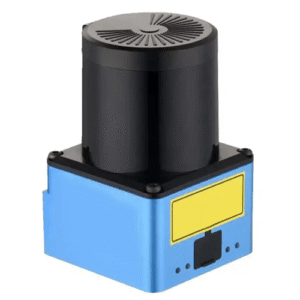
64-Channel Infrared Laser Sensor, 0.05m to 5m Range, 50ms Response TOF – The Inventory Master
Product successfully added to the Quote List
-

64-Channel Infrared Scan Laser Sensor, 0.05m to 5m Range, 270° Field – The Inventory Master
Product successfully added to the Quote List
-

660nm LiDAR Sensor with 3m Range & IP68 Protection – The Inventory Master
Product successfully added to the Quote List
-
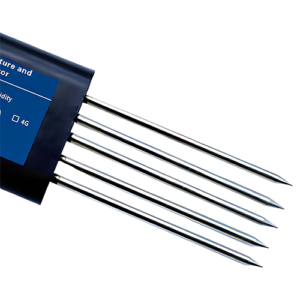
7 in 1 Real Time Soil Analyzer with NPK Detection – The Inventory Master
Product successfully added to the Quote List
-

800nm to 1700nm Avalanche Photodetector Diode Laser Sensor – The Inventory Master
Product successfully added to the Quote List
-

850nm LiDAR Sensor, 26.25ft Range, 1 Hz-250 Hz Frame Rate – The Inventory Master
Product successfully added to the Quote List
-
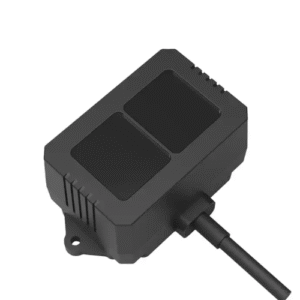
850nm VCSEL Sensor, 3° FOV, 0.4in Resolution, 7-30V, IP65 – The Inventory Master
Product successfully added to the Quote List
-

865nm LiDAR, 32 Channels, 120m Range, 655k Points/sec – The Inventory Master
Product successfully added to the Quote List
-
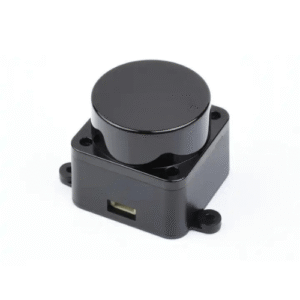
895-915nm LiDAR, 360° Scanning, 12m Range, 0.5 in Resolution – The Inventory Master
Product successfully added to the Quote List
-

8mm Manual Lens with C-Mount, F1.8-F22 for 1/2.5” Sensor, Manual Iris – The Inventory Master
Product successfully added to the Quote List
-

905nm LiDAR Sensor, 10 Hz Scanning, 9.2kHz Sampling Rate – The Inventory Master
Product successfully added to the Quote List
-
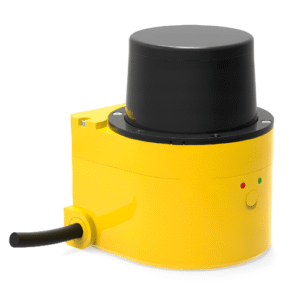
905nm LiDAR, 20m Range, 270° Scanning, 30 Hz Frequency – The Inventory Master
Product successfully added to the Quote List
-

905nm LiDAR, 270° FOV, 32.81ft Range, 16K-40K Points/sec – The Inventory Master
Product successfully added to the Quote List
-
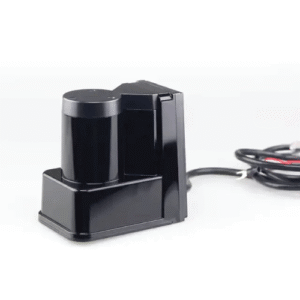
905nm LiDAR, 270° Scanning, 86400 Hz Measuring, IP65 Rated – The Inventory Master
Product successfully added to the Quote List
-
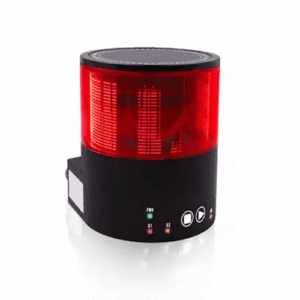
905nm LiDAR, 360° Detection, 30 Hz Scanning, ±20mm Accuracy – The Inventory Master
Product successfully added to the Quote List
-

905nm Pulse ToF LiDAR with 270° FOV & 12V DC Power Supply – The Inventory Master
Product successfully added to the Quote List
-

AC Power Controller 23dBm Transmit, IP65, 0-10V/PWM Dimming, 4A Sensor – The Inventory Master
Product successfully added to the Quote List
-

Accu Track Linear Potentio Displacement Sensor For Accurate Positioning– The Inventory Master
Product successfully added to the Quote List