

NB-IoT Enabled Military and Defense IoT System
Technical Architecture
The NB-IoT Enabled Military and Defense IoT System is a robust and secure communication solution for military and defense operations. Its architecture consists of three primary layers:
- Device Layer: This includes a wide range of IoT devices used in military operations, such as drones, wearable devices for personnel, armored vehicles, surveillance cameras, and sensors for environmental monitoring.
- Connectivity Layer: The NB-IoTnetwork enables secure, low-power, wide-area communication for remote devices. The architecture supports low-bandwidth, long-range communications, ensuring continuous connectivity even in challenging environments.
- Control and Data Management Layer: Data is collected, stored, and analyzed through local or cloud platforms. This layer enables real-time monitoring, command and control, and data analysis for mission-critical operations.
This architecture provides a flexible, scalable, and secure system that can support a wide variety of defense and military applications, enhancing situational awareness and operational efficiency.
Hardware of the NB-IoT Enabled Military and Defense IoT System
Key hardware components in the NB-IoT Enabled Military and Defense IoT System include:
- Military IoT Devices: These include surveillance sensors, environmental monitoring systems, wearable sensors for soldiers, and vehicle tracking systems.
- NB-IoT Modules: Embedded into military devices, these modules provide efficient and secure communication over the NB-IoT
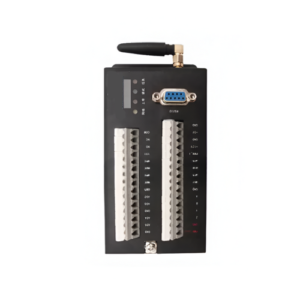
- Gateways: Gateways are deployed in areas with insufficient NB-IoT They facilitate communication between remote devices and the central data management system.
- Environmental Sensors: Sensors such as temperature, humidity, and pressure sensors collect environmental data, which is critical for monitoring operational conditions.
- Security Modules: These include encryption hardware and secure communication chips, ensuring data security and protecting military assets from cyber threats.
Physical Placement Considerations
When deploying the NB-IoT Enabled Military and Defense IoT System, physical placement of hardware is crucial for performance and security:
- Devices: Devices such as wearable sensors, surveillance cameras, and drones should be placed in areas where they can monitor the target environment effectively.
- Gateways: Gateways should be positioned in areas where the NB-IoT signal is weak, or where multiple devices are operating to ensure continuous communication.
- Sensors: Environmental and security sensors should be strategically placed to monitor critical locations or assets, such as borders, military camps, or supply chains.
- Power Supply: Many military-grade IoT devices are designed for low-power operation but must be placed where they can access sufficient energy, either through batteries or external power sources.
Hardware Architecture
The hardware architecture for the NB-IoT Enabled Military and Defense IoT System includes:
- Military IoT Devices: These devices monitor environmental conditions, track assets, and provide real-time data for operational intelligence.
- NB-IoT Modules: Secure communication modules embedded into military devices enable them to transmit data to the central system over long distances.
- Edge Devices (Gateways): Gateways ensure seamless communication between devices and the control center, especially in remote or infrastructure-deficient areas.
- Local Servers or Cloud Platforms: Data processing and storage can occur either locally or on the cloud, providing military personnel with the tools to analyze and act on the data collected from the IoT devices.
- Security Infrastructure: The system includes hardware-level security to prevent unauthorized access, data interception, and tampering with the devices.
This architecture enables an efficient and secure flow of data, ensuring operational success even in remote or hostile environments.
Deployment Considerations
Key deployment considerations for the NB-IoT Enabled Military and Defense IoT System include:
- Network Availability: Ensure that the NB-IoTnetwork is available or use satellite-based communication systems where coverage is not available. The system should be able to operate in military zones with limited infrastructure.
- Device Placement: Devices should be placed strategically within operational zones, ensuring that critical data is captured and transmitted efficiently.
- Scalability: The system should be scalable to accommodate different types of devices and operational needs. Future devices should be easily integrated into the system.
- Security: Military IoT systems must adhere to stringent security protocols, including encryption and secure authentication to protect sensitive data.
- Redundancy: Backup communication mechanisms such as satellite communication should be considered to ensure the system remains operational in case of network failure.
List of Relevant Industry Standards and Regulations
- ISO 9001:2015 – Quality management systems
- ISO/IEC 27001:2013 – Information security management
- IEEE 802.15.4 – Wireless personal area networks (WPAN)
- ITU-R M.1457 – Technical specifications for NB-IoT
- MIL-STD-810G – Environmental test methods for military equipment
- MIL-STD-461F – Electromagnetic interference (EMI) standards for military equipment
- NATO Standardization Agreements (STANAG)
- General Data Protection Regulation (GDPR) – Data privacy compliance in the EU
- ITAR (International Traffic in Arms Regulations)
- FIPS 140-2 – Security requirements for cryptographic modules
Local Server Version
The NB-IoT Enabled Military and Defense IoT System can be deployed with a local server version, which provides several benefits for military operations:
- On-premise Communication: IoT devices communicate directly with a local server, ensuring continuous operation even when external network connectivity is unavailable.
- Data Storage: Data collected from military devices is stored locally, providing quick access to information without relying on external cloud platforms.
- Local Analysis: The system supports real-time data processing and analysis on local servers, enabling immediate decision-making in critical situations.
- Security: By keeping data local, the system reduces the risk of data breaches and ensures compliance with security protocols specific to military and defense operations.
Cloud Integration and Data Management
For those who prefer a more centralized approach, cloud integration for the NB-IoT Enabled Military and Defense IoT System offers several advantages:
- Real-time Data Streaming: Data from military IoT devices is transmitted to the cloud in real time for centralized monitoring and analysis.
- Scalable Storage: The cloud provides scalable storage solutions that can handle vast amounts of data from multiple devices deployed across various regions.
- Advanced Analytics: The cloud platform leverages advanced analytics and machine learning algorithms to process and interpret large datasets, enhancing operational intelligence.
- Remote Access: Command centers can remotely access and manage military IoT devices through cloud-based interfaces, ensuring real-time command and control over deployed units.
- Enhanced Security: Cloud platforms designed for military applications follow strict security standards, ensuring that data remains protected during transit and storage.
GAO Case Studies of NB-IoT Enabled Military and Defense IoT System
USA Case Studies
- Washington, D.C.
A defense network used NB-IoT sensors to monitor critical infrastructure in real time, ensuring enhanced security and rapid response capabilities against potential threats. - San Diego, California
An NB-IoT-enabled naval base project implemented autonomous surveillance systems to track maritime movements, reducing manual interventions and boosting operational efficiency. - Norfolk, Virginia
A fleet management solution for defense vehicles employed NB-IoT connectivity to monitor fuel consumption, maintenance needs, and mission-readiness in real-time. - Colorado Springs, Colorado
An aerospace defense initiative utilized NB-IoT technology to manage satellite data more effectively, improving communication and navigation systems. - Huntsville, Alabama
A missile defense system integrated NB-IoT sensors for monitoring and controlling interceptor launch platforms, ensuring precision and reliability. - Fort Worth, Texas
An aviation logistics project leveraged NB-IoT to streamline parts tracking and maintenance scheduling for military aircraft. - Dayton, Ohio
A defense base adopted NB-IoT-enabled monitoring systems to track environmental conditions in sensitive facilities, preventing equipment degradation. - Seattle, Washington
A coastal defense project employed NB-IoT devices to enhance underwater surveillance systems, detecting and analyzing potential threats in real-time. - Tampa, Florida
An advanced troop tracking solution used NB-IoT technology to monitor soldier positions during training exercises, ensuring safety and coordination. - Cheyenne, Wyoming
A missile silo management program deployed NB-IoT-based sensors to oversee maintenance and enhance situational awareness in high-security zones. - Anchorage, Alaska
A strategic deployment project integrated NB-IoT systems to monitor logistics in extreme weather conditions, ensuring mission readiness. - El Paso, Texas
A border security initiative utilized NB-IoT connectivity to improve real-time surveillance and communications for patrol units. - Honolulu, Hawaii
A naval fleet monitoring program adopted NB-IoT-enabled devices to track vessel performance and resource usage in open seas. - Augusta, Georgia
A cyber-defense training facility employed NB-IoT systems to simulate threat scenarios and enhance the preparedness of personnel. - Phoenix, Arizona
A desert combat readiness project implemented NB-IoT sensors to monitor vehicle operations and environmental challenges in rugged terrains.
Canada Case Studies
- Ottawa, Ontario
A national defense logistics center used NB-IoT-enabled systems to optimize the supply chain for military equipment, ensuring timely delivery and reduced operational downtime. - Halifax, Nova Scotia
A naval base adopted NB-IoT technology to enhance underwater drone surveillance, providing real-time data for maritime operations.
Navigation Menu for NB-IoT
Navigation Menu for IoT
Our products are in stock and can be shipped anywhere in the continental U.S. or Canada from our local warehouse. For any further information, please fill out this form or email us.
We are actively looking for partners who are like us located in the U.S. and Canada. For more information on partnering with GAO, please visit Partner with The Inventory Master Inc. It lists various ways to partner with GAO, such as OEM Partnerships, Technology Integration, Distribution and Reselling Opportunities, Presenting at the Leading Event Tek Summit, Joint R&D Projects, Training and Consulting Services, Industry-Specific Collaborations, Research and Academic Partnerships.


Reviews
There are no reviews yet.