
Inventory Connectivity & Networking
Inventory Wireless Connectivity technologies form the communication backbone of modern inventory tracking infrastructures across warehouses, manufacturing facilities, logistics centers, and enterprise storage environments. Wireless communication protocols enable sensors, tags, scanners, and tracking devices to exchange asset data without fixed cabling, allowing organizations to monitor stock levels, asset movement, and material flow across distributed locations.
Reliable wireless connectivity supports continuous identification and reporting of inventory data from pallets, containers, tools, and equipment in real operational environments. Engineering teams deploy wireless communication modules within handheld scanners, RFID readers, environmental sensors, smart shelves, and autonomous inventory monitoring systems.
Operational environments such as warehouses, ports, manufacturing lines, and distribution hubs require communication networks capable of handling thousands of devices, long transmission ranges, and interference-prone industrial conditions. Inventory Wireless Connectivity technologies support real-time asset identification, location awareness, and automated stock monitoring across enterprise inventory ecosystems.
The Inventory Master supports organizations implementing wireless communication infrastructure for advanced inventory monitoring systems. A growing B2B presence across North America reflects our focus on technology innovation, product reliability, and customer-focused support. Research initiatives, continuous product development, rigorous quality assurance processes, and expert technical guidance allow businesses to optimize measurement and monitoring technologies that improve operational efficiency.
Wireless communication platforms support inventory monitoring and asset tracking systems across complex industrial environments. These technologies enable reliable data exchange between devices used to identify, locate, and monitor materials throughout operational workflows.
Key functions include:
- Enable wireless communication between asset tags, readers, gateways, and enterprise inventory management platforms
- Support automatic identification of materials, tools, pallets, and equipment across warehouse and production environments
- Provide real-time transmission of inventory data from scanning devices and smart storage systems
- Enable long-range communication between distributed warehouse locations and central monitoring systems
- Support device-to-device communication within industrial asset tracking networks
- Facilitate integration with enterprise resource planning systems and warehouse management platforms
- Enable sensor-based monitoring for environmental conditions affecting stored inventory
- Support high-density device networks operating in large warehouses and logistics hubs
- Allow mobile inventory scanners and handheld terminals to communicate with centralized data systems
- Enable geolocation and movement tracking of assets through wireless positioning technologies
- Provide low-power connectivity options for battery-operated tags and sensors
- Enable automated alerts when inventory thresholds, movement patterns, or environmental conditions change
Engineers evaluating wireless connectivity infrastructure for inventory tracking systems must analyze communication reliability, coverage capabilities, and device scalability across operational environments.
Important technical specifications include:
- Operating frequency bands supporting regional wireless regulations and industrial communication environments
- Communication range including short-range device networks and long-range infrastructure connectivity
- Data transmission rates required for asset identification, sensor reporting, and gateway communication
- Network scalability supporting thousands of connected tracking devices and sensors
- Power consumption characteristics critical for battery-powered tags and portable scanning devices
- Interference resistance for deployment within industrial facilities containing heavy machinery and wireless traffic
- Security protocols protecting inventory data from unauthorized access or network interference
- Latency performance for real-time inventory status monitoring and operational alerts
- Environmental durability ratings suitable for warehouses, factories, and outdoor logistics environments
- Gateway integration capabilities enabling communication with cloud-based or on-premise inventory platforms
Bluetooth Low Energy (BLE)
Bluetooth Low Energy communication technology supports short-range wireless communication between asset tags, mobile scanners, and gateway devices used for monitoring materials and equipment. BLE technology operates with extremely low power consumption, which makes it suitable for battery-powered asset tags deployed across warehouses or production environments.
BLE-enabled inventory systems support location-aware tracking through signal strength analysis and beacon infrastructure. Engineers deploy BLE tags on pallets, containers, or equipment while gateways collect transmitted data and forward it to monitoring platforms. Deployment flexibility allows facilities to implement indoor positioning systems that track asset movement across storage zones, manufacturing lines, and distribution areas while maintaining long battery lifetimes.
Click here for Bluetooth Low Energy (BLE)
Radio-Frequency Identification (RFID)
RFID connectivity enables wireless identification and communication between tagged inventory items and RFID readers without direct line-of-sight scanning. RFID technology supports high-speed identification of multiple assets simultaneously, which improves inventory auditing and warehouse operations.
Passive RFID tags obtain energy from reader signals, enabling low-cost deployment across large inventories. Active RFID tags contain internal power sources and support longer communication distances. RFID readers installed at warehouse entry points, conveyor systems, or loading docks automatically detect tagged assets moving through facilities. This technology enables automated stock verification, shipment tracking, and asset authentication across enterprise supply chain systems.
Click here for Radio-Frequency Identification (RFID)
Wi-Fi Wireless
Wi-Fi connectivity supports high-bandwidth communication between inventory devices and enterprise network infrastructure. Warehouse scanning devices, mobile inventory terminals, and smart shelving systems frequently rely on Wi-Fi communication for transmitting large volumes of operational data.
Enterprise Wi-Fi networks enable real-time inventory reporting, device management, and integration with centralized data platforms. Industrial Wi-Fi access points provide coverage across large facilities and support secure communication protocols that protect inventory data. Engineering teams often deploy Wi-Fi connectivity where reliable network infrastructure already exists, enabling rapid integration of scanning equipment, automated storage systems, and inventory monitoring sensors.
LoRaWAN Networks
LoRaWAN communication networks support long-range, low-power connectivity for large-scale inventory monitoring deployments. LoRaWAN technology enables devices to transmit small data packets across several kilometers while consuming minimal energy.
Inventory monitoring systems often deploy LoRaWAN sensors and tracking devices across large industrial yards, logistics hubs, or distributed warehouse facilities. Gateways collect data transmitted by field devices and forward it to network servers that manage communication and device authentication. LoRaWAN technology supports large networks consisting of thousands of devices reporting inventory movement, equipment location, or storage conditions while maintaining long battery lifetimes.
Click here for LoRaWAN Networks
NB-IoT Connectivity
Narrowband Internet of Things connectivity operates within licensed cellular frequency bands and supports reliable communication between distributed inventory devices and centralized monitoring platforms. NB-IoT technology provides deep coverage penetration within buildings and storage facilities where traditional wireless signals may weaken.
Industrial inventory monitoring deployments use NB-IoT connectivity to transmit small amounts of asset data from sensors and tracking devices. Battery-powered devices operating on NB-IoT networks can remain operational for extended periods due to low power consumption. Communication reliability and secure network infrastructure make NB-IoT connectivity suitable for tracking high-value assets, remote storage environments, and geographically distributed inventory locations.
Click here for NB-IoT Connectivity
Cellular IoT Connectivity
Cellular IoT connectivity enables inventory monitoring systems to communicate through existing mobile network infrastructure. Devices equipped with cellular modules transmit asset data directly to cloud platforms or enterprise monitoring systems without relying on local wireless gateways.
This connectivity approach supports inventory tracking across transportation fleets, distributed warehouses, and remote logistics facilities. Cellular IoT networks provide wide geographic coverage and reliable communication even when assets move between operational locations. Inventory devices integrated with cellular communication modules support real-time reporting of asset movement, equipment status, and environmental monitoring data across global supply chain operations.
Click here for Cellular IoT Connectivity
GPS / Satellite IoT Connectivity
GPS and satellite communication technologies support location tracking and monitoring of inventory assets operating beyond traditional wireless network coverage areas. Satellite communication enables inventory monitoring systems to maintain connectivity across remote transportation routes, maritime logistics operations, and isolated industrial facilities.
Inventory tracking devices equipped with GPS receivers provide geographic coordinates that identify the location of assets in transit. Satellite communication modules transmit this location data to monitoring platforms regardless of terrestrial network availability. Industrial logistics operators deploy GPS and satellite connectivity to track containers, equipment, and high-value materials moving across global transportation networks.
Wireless communication infrastructure supports numerous inventory monitoring scenarios across industrial and enterprise environments.
Common industrial applications include:
- Warehouse asset tracking systems monitoring pallet movement and storage location across large distribution centers using wireless communication networks
- Manufacturing facilities tracking components and tools across production lines to maintain accurate stock levels and prevent shortages
- Logistics operations monitoring shipment containers and packages across transportation networks using wireless identification technologies
- Construction companies tracking tools, equipment, and materials across project sites using wireless asset identification systems
- Automotive manufacturing facilities tracking parts inventory across multiple assembly stages and storage areas
- Pharmaceutical warehouses monitoring storage conditions and inventory movement across regulated storage environments
- Cold chain logistics operations tracking temperature-sensitive materials through wireless monitoring devices and sensors
- Retail distribution centers tracking inventory movement from receiving docks to storage racks and shipping zones
- Energy companies monitoring spare parts inventory stored across remote operational facilities and maintenance locations
- Aerospace manufacturing environments tracking specialized tools and critical components used in aircraft assembly
- Federal Communications Commission (FCC) Wireless Communication Regulations
- Innovation, Science and Economic Development Canada (ISED) Radio Standards
- ISO 18000 RFID Air Interface Standards
- IEEE 802.11 Wireless Networking Standards
- Bluetooth SIG Certification Requirements
- GS1 EPCglobal RFID Standards
- NIST Cybersecurity Framework
- UL Wireless Device Safety Certification
- Industry Canada ICES Compliance Requirements
| Connectivity Type | Typical Communication Range | Power Consumption | Data Throughput | Infrastructure Requirements | Typical Deployment Environment |
| Bluetooth Low Energy | Short range | Very low | Low | Gateways or smartphones | Indoor warehouses and asset zones |
| RFID | Short to medium | Passive tags require no battery | Low | RFID readers and antennas | Warehouse entry points and conveyor systems |
| Wi-Fi | Medium | Moderate | High | Enterprise wireless networks | Distribution centers and manufacturing facilities |
| LoRaWAN | Long range | Very low | Low | LoRa gateways and network server | Large facilities and outdoor storage areas |
| NB-IoT | Wide area | Low | Low | Cellular network infrastructure | Indoor and remote inventory monitoring |
| Cellular IoT | Wide area | Moderate | Moderate | Cellular network coverage | Mobile asset tracking and transportation |
| GPS / Satellite | Global coverage | Moderate | Low | Satellite communication systems | Maritime, remote logistics, and transportation |
Industrial deployment of wireless communication technologies requires careful planning to ensure reliable data collection and system performance. Warehouses and manufacturing facilities often contain metal structures, machinery, and dense storage layouts that affect wireless signal propagation.
Connectivity infrastructure must support both stationary monitoring equipment and mobile devices used by warehouse personnel. Handheld scanners, mobile terminals, automated guided vehicles, and robotic inventory systems require reliable communication while moving across facilities. Network design often includes strategically placed gateways, repeaters, and access points to maintain coverage across large operational areas.
Environmental conditions such as temperature fluctuations, humidity, dust exposure, and electromagnetic interference influence hardware selection. Ruggedized communication modules and industrial-grade antennas support reliable operation in demanding environments.
Power requirements also influence connectivity decisions. Battery-powered tracking devices benefit from low-power communication technologies, while fixed infrastructure devices can operate using wired power sources. Data handling approaches typically involve edge gateways that aggregate device data and forward information to centralized inventory monitoring platforms.
Wireless connectivity technologies enable organizations to build scalable and flexible inventory monitoring infrastructures capable of supporting complex industrial operations.
Key technical advantages include:
- Scalable communication networks supporting thousands of connected inventory tracking devices
- Real-time transmission of asset location and inventory status information
- Reduced reliance on manual inventory scanning and physical inspection processes
- Flexible deployment across existing warehouse and logistics infrastructure
- Long battery life for wireless tracking devices operating in distributed environments
- Integration with enterprise inventory platforms and supply chain monitoring systems
- Support for automated inventory auditing and asset identification processes
- Reliable connectivity across indoor facilities and large outdoor operational areas
- What role does wireless connectivity play in inventory monitoring systems?
Wireless communication enables devices such as RFID readers, sensors, and scanners to transmit asset data to monitoring platforms without physical network cabling.
- Which wireless technology works best for large warehouse environments?
Large warehouses frequently combine multiple technologies such as RFID for asset identification and Wi-Fi or LoRaWAN for data transmission.
- How many devices can a wireless inventory network support?
Network capacity depends on the communication protocol used. LoRaWAN and NB-IoT networks can support thousands of connected devices.
- How do engineers manage wireless interference in industrial environments?
Network planning, antenna placement, frequency selection, and gateway density help mitigate signal interference from machinery and metal structures.
- What security mechanisms protect wireless inventory data?
Secure communication protocols, encryption standards, device authentication, and network monitoring tools protect wireless inventory communication networks.
- How long do battery-powered wireless inventory devices typically operate?
Battery lifetime varies by communication technology and transmission frequency. Low-power networks can support several years of operation.
- Can wireless inventory systems integrate with enterprise software platforms?
Wireless gateways and communication modules often support integration with ERP, warehouse management systems, and cloud-based monitoring platforms.
Organizations planning to deploy wireless communication infrastructure for advanced inventory monitoring systems often require guidance on selecting the right connectivity technologies, hardware platforms, and network architectures. Engineering teams, system integrators, and procurement professionals can benefit from expert consultation when designing large-scale inventory communication networks.
The Inventory Master works closely with industrial customers across North America to deliver reliable wireless communication technologies that support modern inventory monitoring systems. Technical specialists provide guidance on device selection, network architecture, and deployment strategies that align with operational requirements.
Professionals seeking product information, technical consultation, or implementation guidance are encouraged to Contact the Inventory Master to discuss connectivity solutions for enterprise inventory operations.
Showing 19–36 of 5756 results
-

125 KHz RFID Module with USB/Serial Interface, IP65 & Read-Only Function – The Inventory Master
Product successfully added to the Quote List
-

125 KHz RFID Reader Module for Read/Write Tags with UART Interface – The Inventory Master
Product successfully added to the Quote List
-

125 KHz RFID Reader Module with Wiegand 26, RS232 & TTL Outputs – The Inventory Master
Product successfully added to the Quote List
-
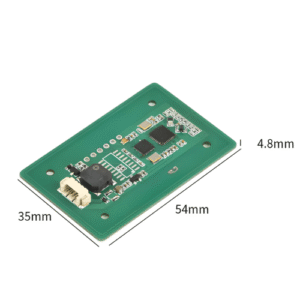
125 KHz RFID Reader with Wiegand Output & 100mm Range, LED Indicator – The Inventory Master
Product successfully added to the Quote List
-

125 KHz/13.56 MHz RFID Contactless Printable PVC Card – The Inventory Master
Product successfully added to the Quote List
-
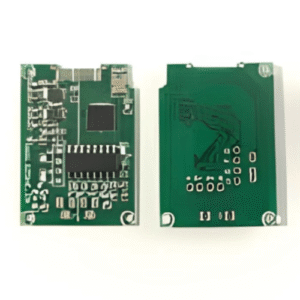
125KHz & 13.56MHz RFID Reader with ISO 14443-A Protocol – The Inventory Master
Product successfully added to the Quote List
-

125kHz & 13.56MHz USB RFID Reader with Buzzer – The Inventory Master
Product successfully added to the Quote List
-

125kHz Embeddable RFID Ear Tag with Long-Range Antenna – The Inventory Master
Product successfully added to the Quote List
-

125kHz RFID Door Access Control Reader with 10,000 Blacklist Capacity – The Inventory Master
Product successfully added to the Quote List
-

125kHz RFID LF Reader Module with Antenna for EM Cards, Wiegand/ASCII – The Inventory Master
Product successfully added to the Quote List
-

125KHz RFID Reader ISO 14443A with Wiegand 26/34 & RS232/RS485 – The Inventory Master
Product successfully added to the Quote List
-
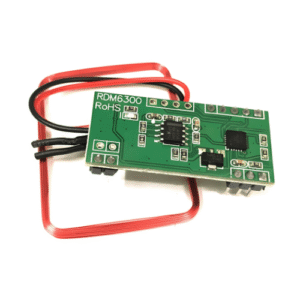
125KHz RFID Reader Module with 5 cm Range & UART Interface – The Inventory Master
Product successfully added to the Quote List
-

125KHz RFID Reader with 1-Wire Interface, Buzzer LED for Card Support – The Inventory Master
Product successfully added to the Quote List
-

125KHz/13.56MHz RFID Reader DC 12V ISO 14443A EM4200/Mi – The Inventory Master
Product successfully added to the Quote List
-
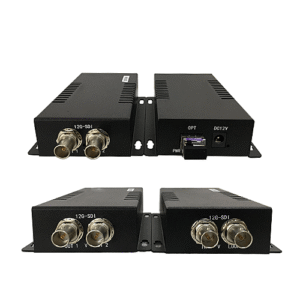
12G-SDI Fiber Converter with 4K 60Hz Support and 11.88 Gb Bandwidth Over Fiber – The Inventory Master
Product successfully added to the Quote List
-
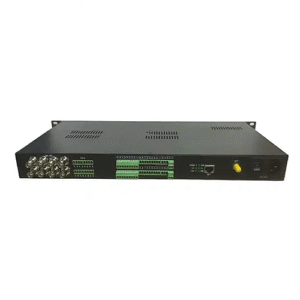
12G-SDI Fiber Optical Converter with 4K 60Hz Support and 11.88 Gb Bandwidth – The Inventory Master
Product successfully added to the Quote List
-
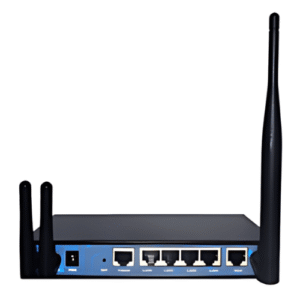
12V IoT Gateway VPN Router with Industrial CPU, WLAN, and Cellular – The Inventory Master
Product successfully added to the Quote List
-

13.56 MHz & UHF RFID Tag with 2k Bits Memory & Silver Paste – The Inventory Master
Product successfully added to the Quote List