
Cellular IoT Connectivity
Cellular IoT connectivity enables distributed inventory assets to transmit operational data over licensed mobile networks without relying on local Wi-Fi infrastructure. Devices equipped with embedded cellular modules communicate through LTE, NB-IoT, or LTE-M protocols, allowing sensors, asset trackers, and automated stock monitoring systems to send real-time data to centralized enterprise platforms.
Large warehouses, logistics yards, and manufacturing campuses often require wide-area communication coverage that remains stable across long distances and outdoor environments. Cellular-based machine-to-machine communication provides reliable data transmission for asset visibility, stock level monitoring, environmental sensing, and equipment utilization reporting.
Industrial inventory monitoring systems using cellular connectivity reduce network dependency on local gateways and simplify deployment across distributed facilities. Enterprises gain continuous data visibility from storage racks, containers, pallets, mobile assets, and supply chain nodes, enabling engineers and operations teams to monitor inventory flow, detect anomalies, and maintain accurate stock intelligence across multiple locations.
Cellular Network-Based Data Communication for Inventory Infrastructure
Cellular IoT connectivity refers to a wireless communication architecture where embedded modules within industrial monitoring devices transmit telemetry data through licensed cellular networks. These systems utilize standardized mobile communication protocols designed specifically for machine-to-machine communication.
Inventory monitoring devices equipped with cellular modems connect directly to mobile operator infrastructure using SIM or embedded SIM credentials. Data packets generated by sensors or tracking modules travel through LTE, LTE-M, or NB-IoT networks and reach enterprise monitoring platforms or industrial cloud gateways.
The Inventory Master integrates cellular-enabled monitoring equipment that allows enterprises to collect operational data from geographically dispersed inventory locations without installing additional network infrastructure.
Typical Product Types Used in Cellular-Based Inventory Monitoring
Several product configurations support cellular-based inventory communication within industrial environments:
- Cellular IoT gateways designed to aggregate data from multiple local sensors and transmit telemetry through LTE or NB-IoT networks.
- Embedded cellular sensor modules integrated into inventory tags, pallet trackers, and container monitoring devices for direct network connectivity.
- Industrial asset tracking units equipped with GPS and LTE-M communication modules for location monitoring of movable inventory assets.
- Environmental monitoring nodes using cellular connectivity to report temperature, humidity, and storage conditions of sensitive goods.
- Battery-powered cellular data loggers installed on storage racks or transport containers to transmit periodic inventory status reports.
These systems provide remote inventory visibility across warehouses, logistics facilities, ports, construction sites, and outdoor storage yards where wired networks are impractical.
Cellular Communication Architecture for Distributed Inventory Monitoring
Enterprise inventory systems require reliable connectivity across diverse operating environments. Cellular IoT communication supports these requirements through wide-area coverage and carrier-grade network management.
The Inventory Master designs cellular-enabled monitoring systems capable of operating across regional cellular infrastructure used throughout North America. Device configurations support multiple cellular protocols to ensure compatibility with mobile network operators.
Network Technologies Used in Cellular IoT Inventory Monitoring
Common communication protocols used in industrial inventory monitoring include:
- LTE-M communication modules optimized for mobile asset monitoring and moderate data transmission requirements.
- NB-IoT modules supporting low-power sensors deployed for long-term environmental and storage condition monitoring.
- Standard LTE Cat-1 connectivity used for higher bandwidth telemetry applications such as firmware updates or frequent reporting intervals.
- Multi-band cellular modules allowing devices to operate across different mobile carrier frequencies in the United States and Canada.
These network technologies enable stable communication in facilities that span several square kilometers or contain multiple buildings.
Device Management and Remote Configuration
Inventory monitoring devices deployed across multiple facilities require remote management capabilities to minimize maintenance overhead.
The Inventory Master cellular connectivity platforms support centralized configuration and lifecycle management of deployed monitoring devices.
Key configuration capabilities include:
- Remote firmware updates delivered through secure cellular channels to maintain device performance and security compliance.
- Adjustable telemetry intervals allowing engineers to optimize battery life and reporting frequency for specific inventory monitoring tasks.
- Network selection configuration supporting automatic switching between available cellular carriers when coverage conditions change.
- Device diagnostics reporting battery condition, signal strength, and module health status to maintenance teams.
- Remote sensor calibration parameters enabling accurate environmental monitoring across temperature-controlled warehouses.
These capabilities allow system integrators and operations engineers to maintain large deployments without requiring on-site technical intervention.
Power Management for Long-Term Field Deployment
Battery life remains a primary design consideration for industrial monitoring devices operating on cellular networks.
The Inventory Master supports low-power communication technologies that extend operational life for monitoring equipment installed in storage facilities, shipping containers, or remote warehouses.
Power optimization methods include:
- Low-power NB-IoT communication modes designed for sensors transmitting small periodic data packets.
- Adaptive reporting intervals based on activity detection or environmental thresholds.
- Sleep mode operation for monitoring devices that only activate communication during scheduled reporting windows.
- Power-efficient antenna design that maintains signal reliability while minimizing transmission energy requirements.
These design considerations allow monitoring equipment to remain operational for several years without battery replacement, depending on reporting frequency and environmental conditions.
Cellular communication enables inventory monitoring systems to operate across geographically distributed environments where wired or short-range wireless networks are unavailable.
Common industrial use cases include:
- Real-time pallet tracking across multi-building warehouse campuses using LTE-M communication modules embedded within inventory tags and asset trackers.
- Monitoring temperature and humidity conditions of pharmaceutical storage units located in remote distribution centers without local network infrastructure.
- Tracking high-value construction materials stored at outdoor job sites using cellular GPS asset tracking units connected to mobile networks.
- Monitoring inventory containers across port terminals where cellular communication ensures reliable coverage across large outdoor storage areas.
- Reporting stock levels from automated storage racks deployed in satellite warehouses located far from corporate network infrastructure.
- Monitoring refrigerated cargo containers during inter-facility transport using cellular sensor units capable of transmitting temperature alerts.
- Collecting environmental data from agricultural storage silos where wireless infrastructure is unavailable but cellular coverage exists.
- Monitoring tool inventory and equipment movement across industrial maintenance facilities with cellular-based asset tracking devices.
- Reporting fill levels from bulk material containers located in remote industrial yards using NB-IoT sensor transmitters.
- Tracking reusable shipping containers moving between suppliers, distribution hubs, and manufacturing facilities through LTE-connected monitoring devices.
- Monitoring spare parts inventory located at field service depots or mobile maintenance units.
- Supervising storage conditions of sensitive electronic components stored in distributed supplier warehouses.
These deployments demonstrate the practical value of cellular communication in enterprise inventory monitoring environments where network infrastructure varies significantly between locations.
Industrial cellular communication devices must comply with telecommunications and wireless equipment regulations within North America.
Applicable standards and certifications include:
- Federal Communications Commission (FCC) Part 15
- FCC Part 22 and Part 24 Cellular Communications Rules
- PTCRB Certification for Cellular Devices
- ICES-003 Industry Canada Interference-Causing Equipment Standard
- Innovation, Science and Economic Development Canada (ISED) Radio Standards Specifications
- UL 62368-1 Safety Standard for Information Technology Equipment
- IEEE 802 Cellular Communication Interface Guidelines
- GSMA eSIM Remote SIM Provisioning Specifications
- North American Carrier Network Certification Requirements
Compliance with these standards ensures cellular-enabled monitoring devices can legally operate across United States and Canadian telecommunications infrastructure.
Wide-Area Coverage Without Local Infrastructure
Industrial facilities often include remote storage zones, outdoor yards, and distributed warehouses where installing wired or local wireless networks becomes costly.
Cellular communication allows inventory monitoring equipment to connect directly to public mobile networks without installing local gateways or network access points.
Benefits include:
- Reduced infrastructure installation cost for large industrial campuses.
- Immediate connectivity in locations already covered by cellular carriers.
- Rapid deployment of monitoring equipment without network engineering overhead.
These characteristics support scalable inventory visibility across expanding enterprise facilities.
Reliable Communication Through Licensed Spectrum
Cellular communication uses licensed frequency bands managed by telecommunications operators. This provides predictable performance compared to unlicensed wireless technologies that may experience interference from nearby devices.
Operational advantages include:
- Consistent signal reliability across industrial environments with heavy radio traffic.
- Managed network infrastructure maintained by telecommunications providers.
- Reduced risk of communication interference from nearby wireless devices.
Reliable connectivity improves the accuracy of inventory monitoring data used by operational decision systems.
Mobility Support for Moving Inventory Assets
Certain inventory assets frequently move between facilities, distribution hubs, and field locations.
Cellular connectivity allows tracking devices attached to mobile inventory items to remain connected while traveling through different geographic regions.
Mobility capabilities support:
- Continuous location monitoring of shipping containers and transport pallets.
- Tracking of construction equipment and materials moving between job sites.
- Monitoring field service inventory carried by mobile technicians.
These capabilities extend inventory visibility beyond warehouse boundaries and into transportation and logistics workflows.
Reduced Network Maintenance Burden
Local wireless networks require ongoing maintenance, firmware updates, and security monitoring. Cellular communication shifts much of this operational responsibility to mobile network operators.
Advantages include:
- Reduced internal network administration requirements.
- Simplified connectivity management for distributed inventory systems.
- Lower technical overhead for enterprises operating multiple warehouse locations.
This operational efficiency becomes particularly valuable for companies managing hundreds or thousands of monitoring devices.
Secure Data Transmission for Enterprise Inventory Monitoring
Cellular networks incorporate multiple layers of security including SIM authentication, encrypted data transmission, and operator-level network monitoring.
These protections enhance the reliability of data generated by inventory monitoring equipment.
Security features typically include:
- SIM-based device authentication preventing unauthorized network access.
- Encrypted communication channels protecting telemetry data during transmission.
- Secure remote firmware update mechanisms supported by cellular infrastructure.
Enterprises handling sensitive inventory assets or regulated goods often rely on these protections when deploying remote monitoring systems.
The Inventory Master has built strong credibility within enterprise technology deployments by delivering dependable industrial monitoring solutions designed for real-world operational environments.
Engineering teams value our solutions because they are developed through continuous product research, rigorous testing, and extensive field experience with industrial monitoring systems. Organizations across North America rely on our equipment to maintain visibility into inventory assets distributed across warehouses, production facilities, logistics hubs, and outdoor storage areas.
A growing enterprise customer base recognizes our commitment to reliable hardware, carefully validated connectivity technologies, and responsive technical guidance. Our design philosophy emphasizes long-term operational reliability, compatibility with industry standards, and support for complex enterprise deployments.
Procurement teams, system integrators, and operations engineers benefit from working with a partner that prioritizes product reliability, documented engineering specifications, and responsive customer assistance.
Organizations evaluating cellular communication technologies for industrial inventory monitoring often require technical guidance to determine suitable device architectures, network protocols, and deployment strategies.
Engineers, procurement specialists, and system integrators can discuss project requirements, integration considerations, and product selection with our technical team. Questions related to device compatibility, connectivity coverage, system architecture, and regulatory compliance can be addressed during consultation.
For detailed product information, technical documentation, or deployment guidance, reach out to The Inventory Master through our Contact Us page. Our specialists can assist with product inquiries, engineering consultations, and enterprise deployment planning for cellular-enabled inventory monitoring systems.
Showing 1–18 of 222 results
-
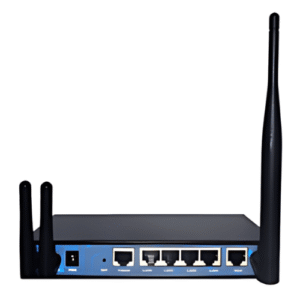
12V IoT Gateway VPN Router with Industrial CPU, WLAN, and Cellular – The Inventory Master
Product successfully added to the Quote List
-
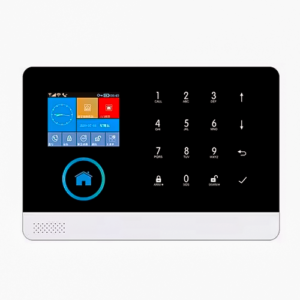
2.4 in WiFi 4G Wireless Smart Home Security System – The Inventory Master
Product successfully added to the Quote List
-
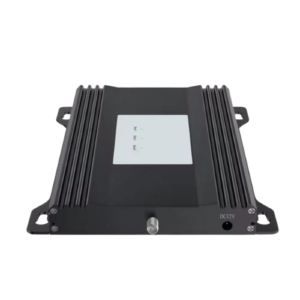
2G 3G 4G LET Mobile Signal Booster 900 1800 2100MHz Cellular Network Repeater Signal Amplifier – The Inventory Master
Product successfully added to the Quote List
-

3 Band GSM or 3G or 4G Signal Booster – The Inventory Master
Product successfully added to the Quote List
-
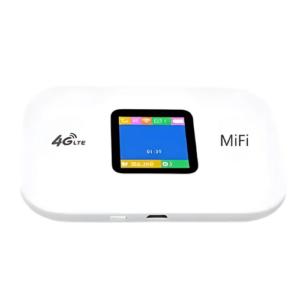
300Mbps 4G LTE Portable Wifi Router with SIM Slot – The Inventory Master
Product successfully added to the Quote List
-

4G Cellular IoT Router With Modbus to WiFi – The Inventory Master
Product successfully added to the Quote List
-
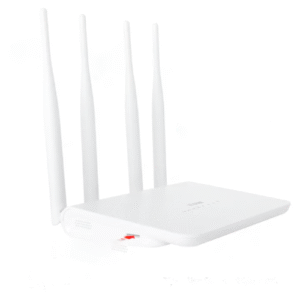
4G Cellular Modem Router with External Antennas and Multiuser Support – The Inventory Master
Product successfully added to the Quote List
-
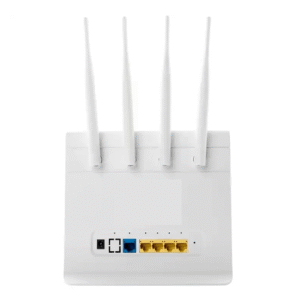
4G Cellular Modem with Dual-Band Wi-Fi and Rotatable Antennas – The Inventory Master
Product successfully added to the Quote List
-
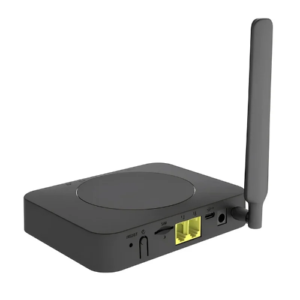
4G Fixed Wireless Terminal VoLTE WiFi Hotspot HD Voice – The Inventory Master
Product successfully added to the Quote List
-
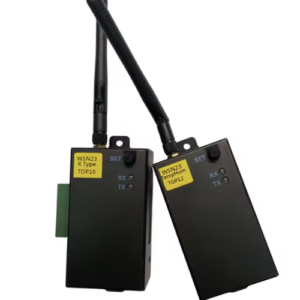
4G IoT Sensor with RS485 for Temperature, Humidity, & Lux Measurement – The Inventory Master
Product successfully added to the Quote List
-
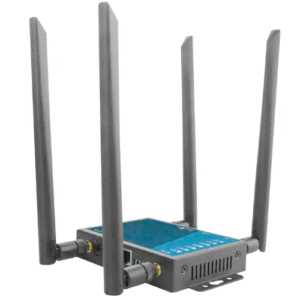
4G LTE Cellular Modem for Outdoor Use with Dual Wi-Fi Antennas – The Inventory Master
Product successfully added to the Quote List
-

4G LTE Cellular Modem with 4000mAh Battery and External Antennas – The Inventory Master
Product successfully added to the Quote List
-

4G LTE Cellular Router with WiFi, Ethernet Ports, and Easy Setup – The Inventory Master
Product successfully added to the Quote List
-

4G LTE IoT Router With SIM Slot – The Inventory Master
Product successfully added to the Quote List
-
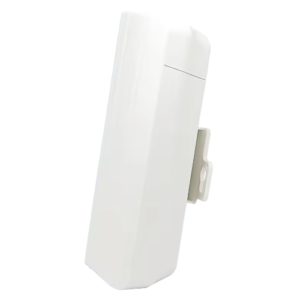
4G LTE Outdoor IoT Router for BLE Beacon with Waterproof Design – The Inventory Master
Product successfully added to the Quote List
-
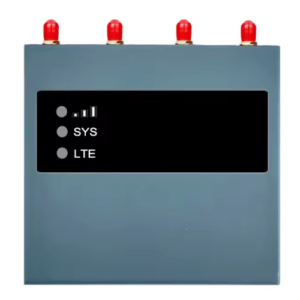
4G LTE Wireless Router with Dual SIM Slots, VPN & Gigabit Ports – The Inventory Master
Product successfully added to the Quote List
-
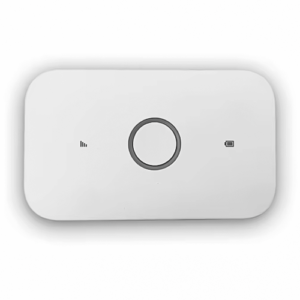
4G Mobile WiFi Hotspot Router with SIM Card Slot – The Inventory Master
Product successfully added to the Quote List
-

4G Wi-Fi Cellular Module with VPN, Cloud Management & Dual Watchdog – The Inventory Master
Product successfully added to the Quote List